Cardiovascular Physiology Summary
Focusing exclusively on sodium restriction is an incomplete medical strategy for blood pressure management. Groundbreaking clinical trials—including the Trials of Hypertension Prevention (TOHP) and the PURE study—demonstrate that the Sodium-to-Potassium (Na:K) ratio is a vastly superior biomarker for arterial stiffness and cardiovascular mortality. While modern diets deliver excessive sodium (~3,400–4,500 mg) and deficient potassium (~2,300 mg), clinical guidelines recommend reversing this to achieve at least a 1:2 or 1:3 ratio.
The Evolutionary Inversion of Human Electrolytes
Throughout paleolithic human evolution, dietary sodium was an extremely scarce mineral, whereas potassium was ubiquitous in wild tubers, leafy shoots, fruits, and roots. Anthropological data indicates our ancestors consumed under 800 mg of sodium alongside over 7,000 mg of potassium daily.
Consequently, the human kidney evolved ultra-efficient mechanisms to conserve sodium via aldosterone and the epithelial sodium channel (ENaC), while assuming potassium would continuously flood the system. In the last 150 years, the advent of industrially processed foods reversed this paradigm overnight: 75% of modern sodium intake comes from commercial processed foods, while fresh whole-plant potassium intake plummeted.
The Sodium:Potassium Profile of Everyday Foods
| Food Item | Potassium (mg / 100 g) | Sodium (mg / 100 g) | Na : K Ratio | Cardiovascular Classification |
|---|---|---|---|---|
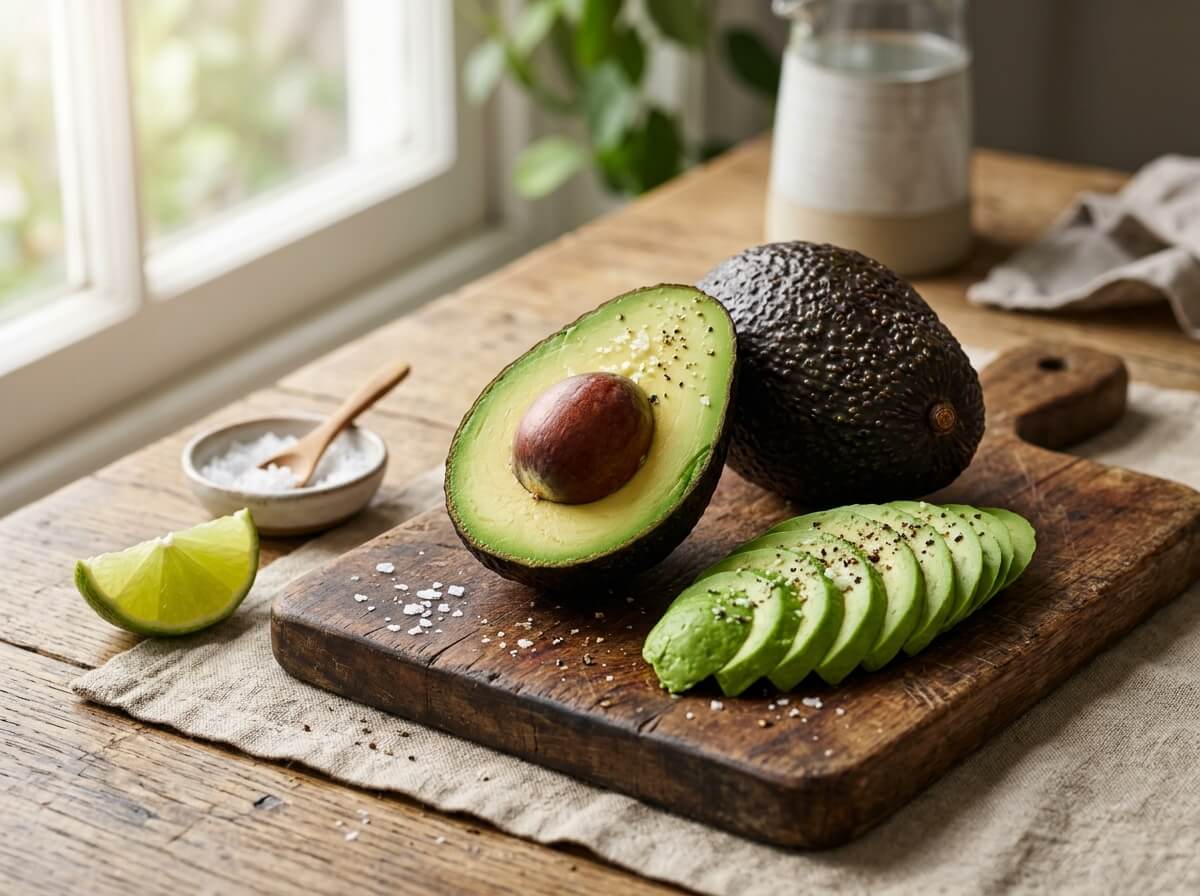
| Hass Avocado | 485 mg | 7 mg | 1 : 69 | Superb (Highly Protective) |
| Baked Sweet Potato | 475 mg | 36 mg | 1 : 13 | Superb (Protective) |
| Cooked Spinach | 558 mg | 79 mg | 1 : 7 | Favorable |
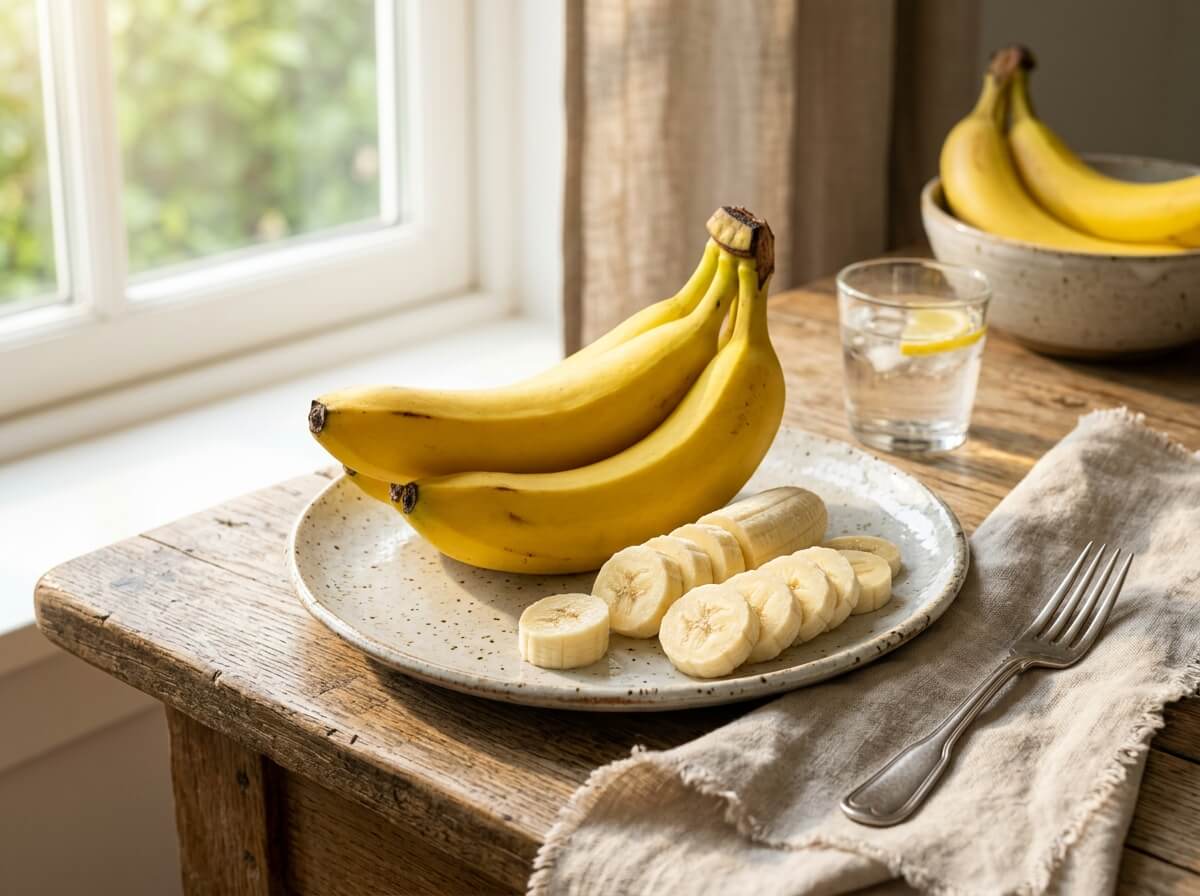
| Fresh Banana | 358 mg | 1 mg | 1 : 358 | Favorable |
| Ultra-Processed Deli Meat | 180 mg | 1,120 mg | 6.2 : 1 | Inverted (Pro-Hypertensive) |
| Canned Commercial Soup | 95 mg | 840 mg | 8.8 : 1 | Inverted (Pro-Hypertensive) |
When dietary potassium intake rises, the concentration of potassium in the renal distal convoluted tubule increases. This triggers the dephosphorylation and deactivation of the sodium-chloride cotransporter (NCC). As a result, the kidneys cannot reabsorb sodium, forcing the body to excrete both sodium and excess water into the urine. This process—known as potassium-induced natriuresis—lowers plasma volume and relaxes systemic vascular resistance without requiring harsh diuretic medications.
Three Actionable Strategies to Correct Your Ratio
- Replace half your salt with potassium salt (potassium chloride): Commercial "lite salts" replace 50% of sodium chloride with potassium chloride. In the landmark SSaSS trial involving 20,995 participants, switching to a potassium-enriched salt substitute reduced stroke rates by 14% and total mortality by 12%.
- Eat one high-potassium food at every meal: Add a half avocado to breakfast, a side of steamed spinach or lentil salad to lunch, and a baked potato or sweet potato with dinner.
- Drink potassium-rich broths: Simmering vegetable trimmings (celery, beet tops, carrots, leeks) produces a mineral-rich potassium broth with zero added sodium.