🍎Food Group Guide
Fruits Nutrition Guide
Nutrient-Dense Fresh & Whole Fruits
Explore whole fruits ranked by vitamin C, dietary fiber, potassium, and antioxidant density. Discover smart low-sugar fruit swaps.
Nutritional Profile: Fruits are primary dietary sources of ascorbic acid (Vitamin C), bioflavonoids, potassium, and soluble prebiotic fibers like pectin. Most whole fruits have high water volume and low-to-moderate caloric density.
Category Averages (per 100g)
62Avg Calories (kcal)
1.0gAvg Protein
2.9gAvg Fiber
30Verified Foods
Key Nutrients:
Verified Fruits Foods (30)
Browse full nutrient chemistry profiles, portion benchmarks, and smart alternatives.



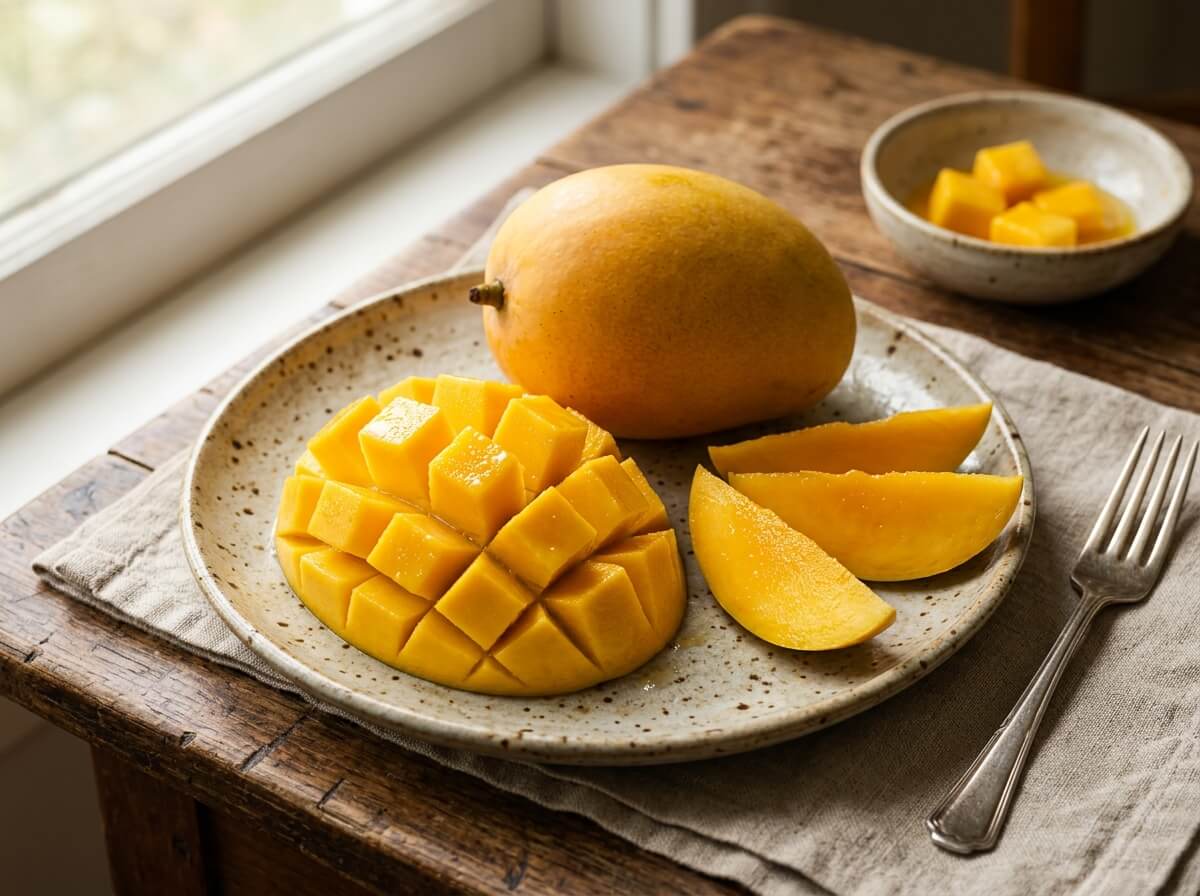

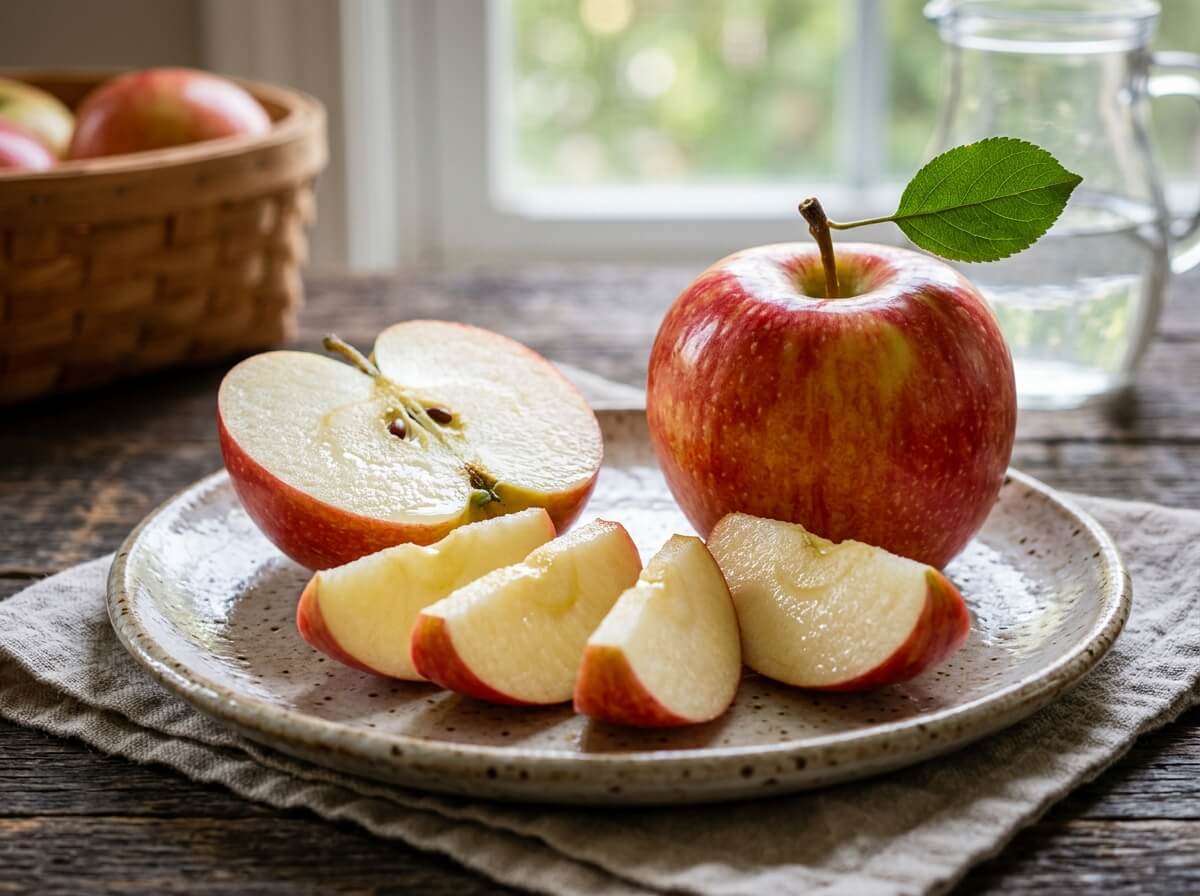
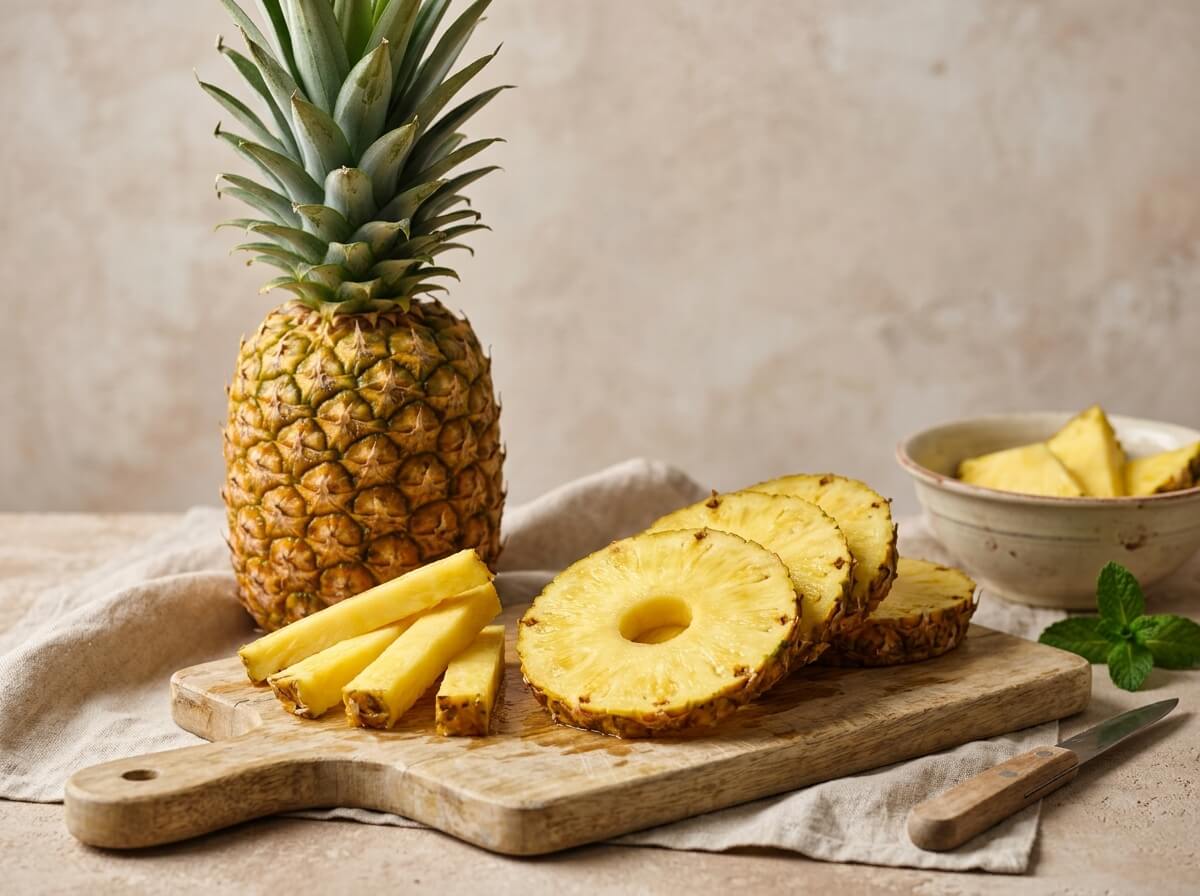
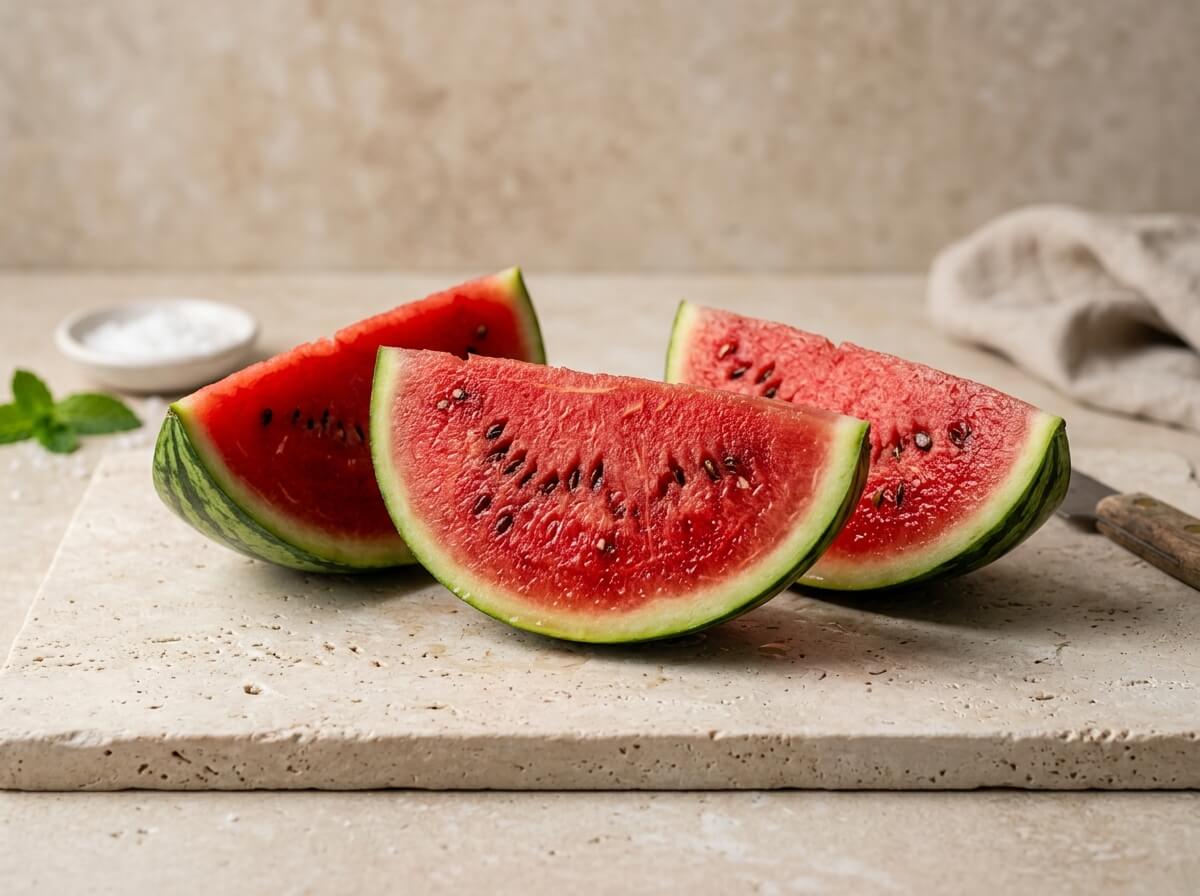






Expert Insights
Frequently Asked Questions About Fruits
Which fruits have the highest vitamin C?
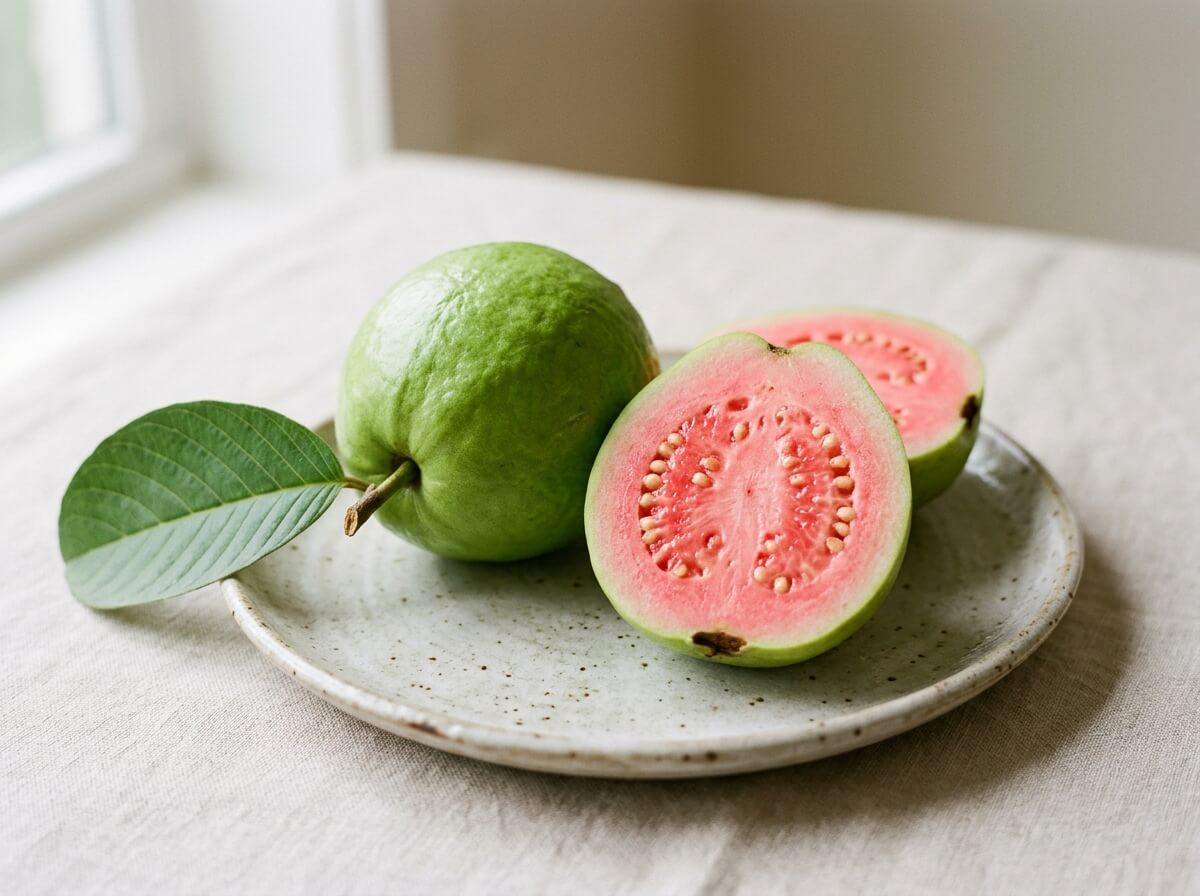
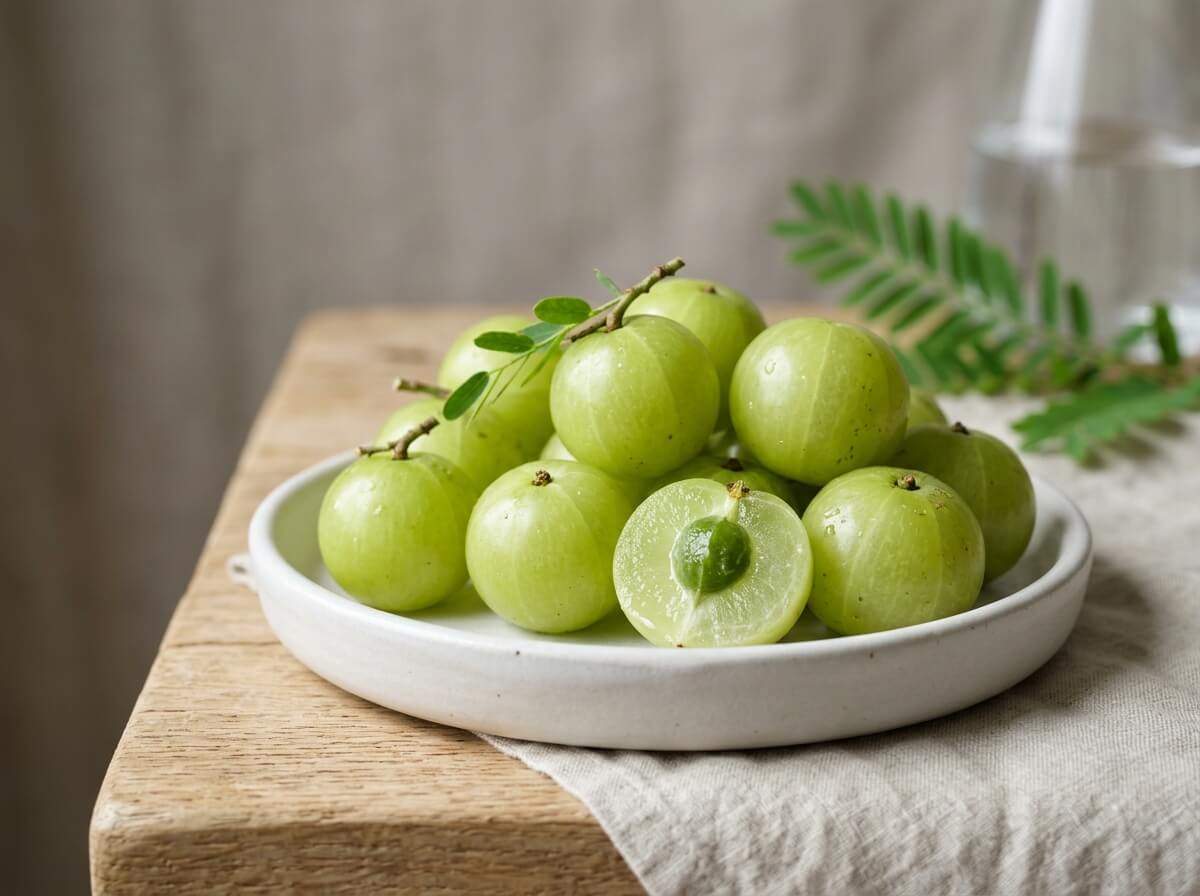
While citrus fruits like oranges provide ~53mg per 100g, tropical fruits like Guava (228mg/100g) and Amla / Indian Gooseberry (600mg/100g) offer 4x to 10x higher vitamin C density.
Which fruits are lowest in sugar and carbs?
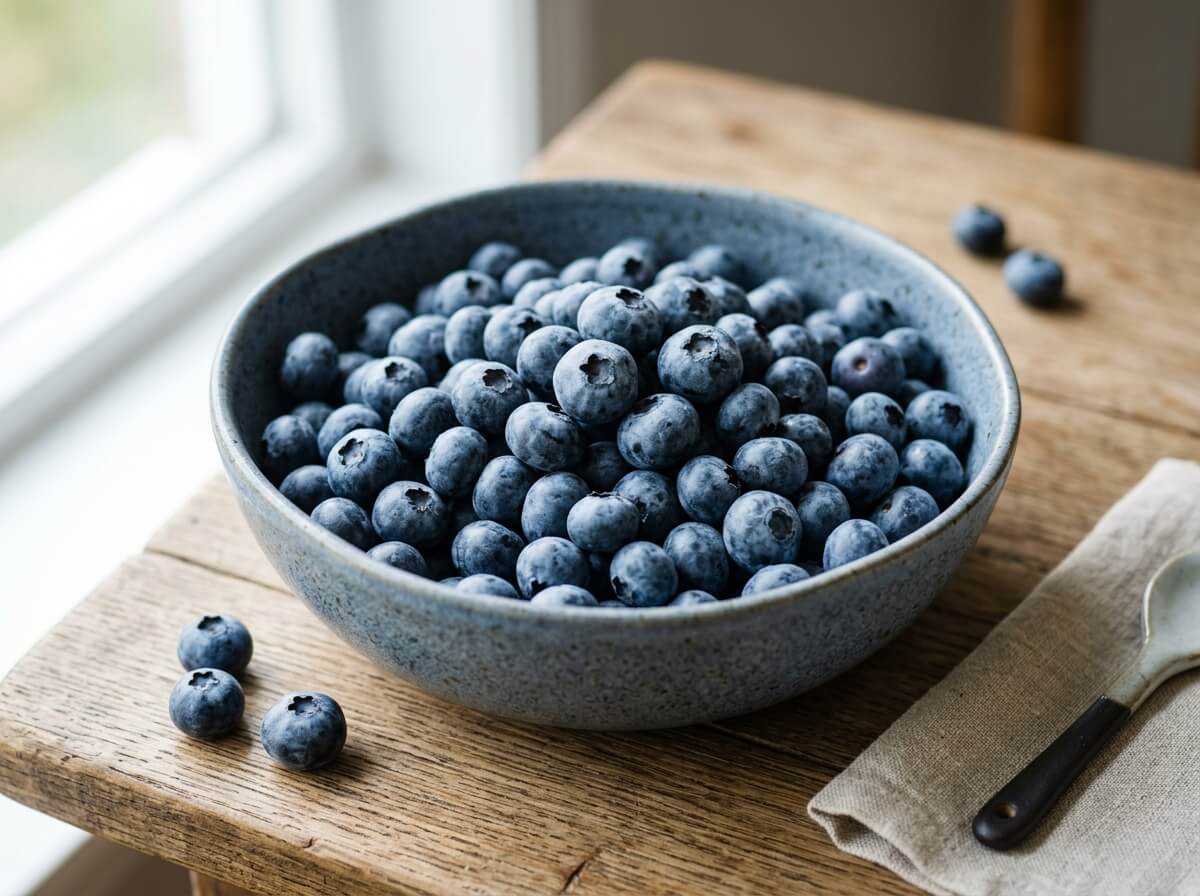
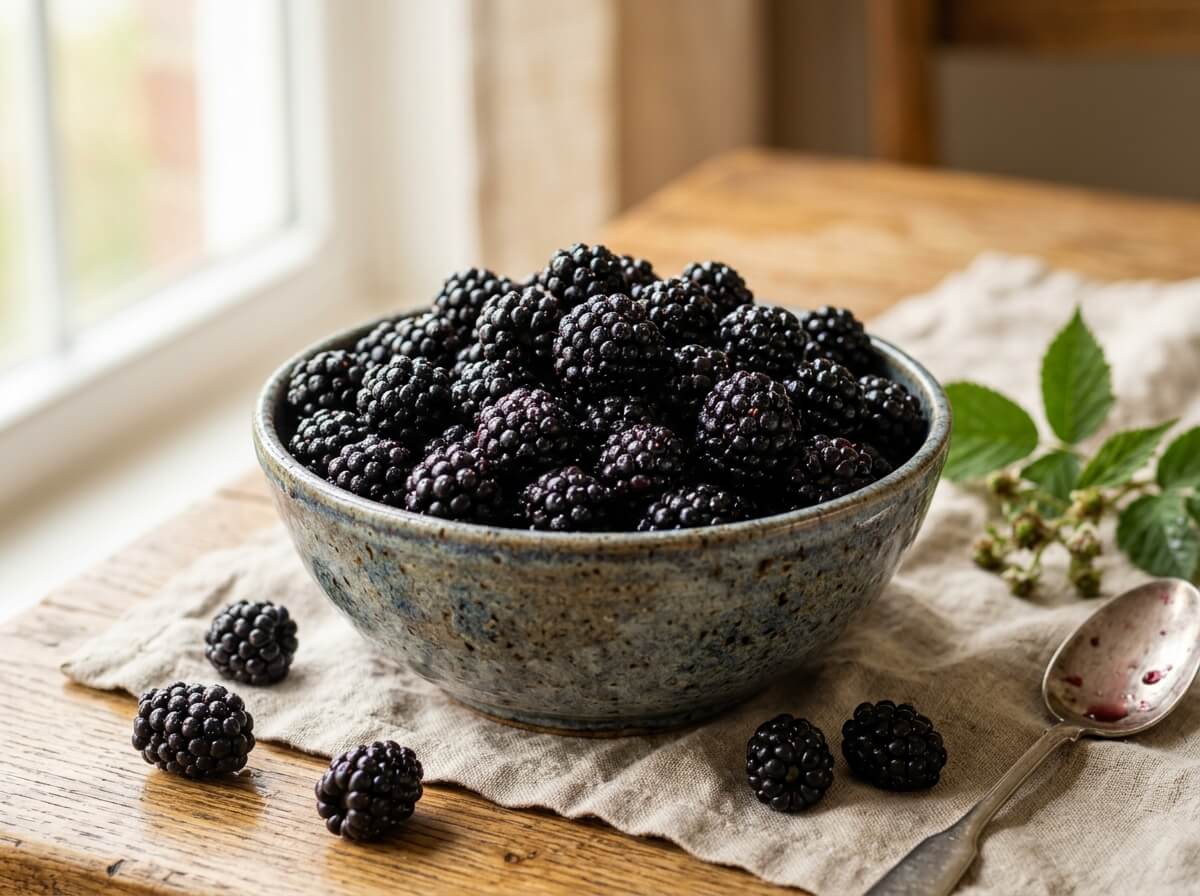
Berries (blackberries, raspberries, strawberries) and guavas provide high dietary fiber with significantly lower fructose concentrations compared to dried fruits, bananas, or grapes.
Are whole fruits better than fruit juices?
Yes. Whole fruits retain intact insoluble and soluble dietary fiber matrices, which slows glucose absorption and promotes satiety, whereas juicing removes fiber and concentrates free sugars.