Scienza Nutrizionale··Aggiornato ·10 min read

The Sodium-to-Potassium Ratio: The Real Key to Blood Pressure & Cellular Hydration

Why isolating sodium misses the bigger clinical picture: restoring the ancestral 1:3 balance using potassium-dense whole foods.

Sarah Lin, MPH, RDN
Nutrizionista di Sanità Pubblica & Epidemiologa
Medically Reviewed: Dr. Elena Rostova, PhD, RD
Data Source: USDA FoodData Central & Clinical Trials
Standard: Evidence-Based · Fact-Checked
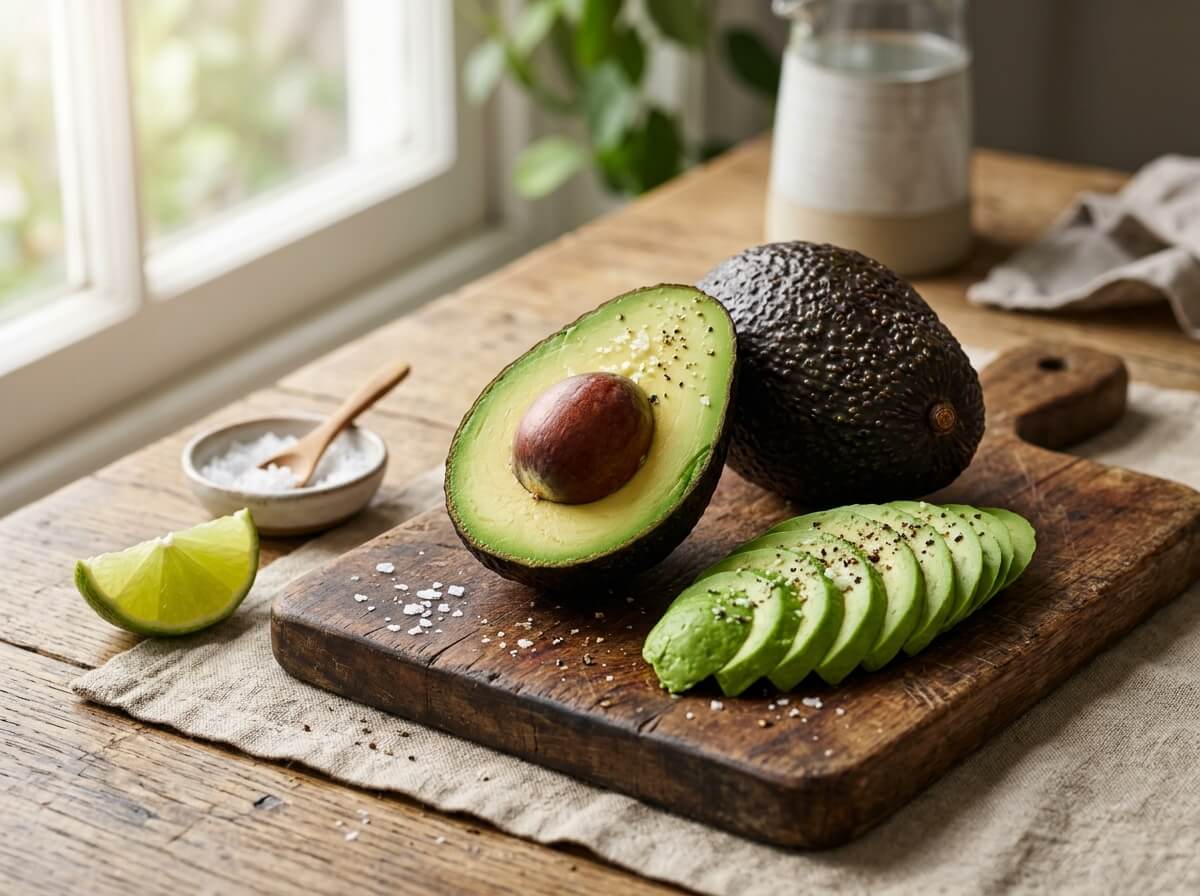
Avocado, leafy greens, and electrolyte-rich whole foods supporting sodium potassium balance
Whole foods like avocado provide high potassium and negligible sodium, helping normalize the modern inverted electrolyte ratio.
Clinical & Educational Disclaimer: This article is authored for scientific and evidence-based nutritional education. Data points are calibrated from USDA FoodData Central analytical laboratory measurements and peer-reviewed clinical publications. This content does not constitute medical advice or personalized nutritional therapy. Consult a physician or registered dietitian before undertaking major dietary protocols.

Punti Chiave

  • The modern Western diet inverts our evolutionary electrolyte balance: ancestral hunter-gatherers consumed a Sodium:Potassium ratio of roughly 1:5 to 1:10; modern diets average 2:1 to 3:1.
  • Cardiovascular epidemiological trials demonstrate that the urinary Sodium-to-Potassium ratio is a significantly stronger predictor of stroke and hypertension than isolated sodium excretion.
  • Potassium triggers vascular smooth muscle hyperpolarization and induces natriuresis (kidneys dumping excess sodium and retained fluid in urine).
  • Whole foods with the highest potassium-to-sodium ratios include baked sweet potatoes (542 mg K / 36 mg Na), avocados (485 mg K / 7 mg Na), and spinach (558 mg K / 79 mg Na).
  • Salt restriction alone often triggers compensatory renin-aldosterone-angiotensin system (RAAS) activation; elevating dietary potassium blunts this reflexively.

Cardiovascular Physiology Summary

Focusing exclusively on sodium restriction is an incomplete medical strategy for blood pressure management. Groundbreaking clinical trials—including the Trials of Hypertension Prevention (TOHP) and the PURE study—demonstrate that the Sodium-to-Potassium (Na:K) ratio is a vastly superior biomarker for arterial stiffness and cardiovascular mortality. While modern diets deliver excessive sodium (~3,400–4,500 mg) and deficient potassium (~2,300 mg), clinical guidelines recommend reversing this to achieve at least a 1:2 or 1:3 ratio.

The Evolutionary Inversion of Human Electrolytes

Throughout paleolithic human evolution, dietary sodium was an extremely scarce mineral, whereas potassium was ubiquitous in wild tubers, leafy shoots, fruits, and roots. Anthropological data indicates our ancestors consumed under 800 mg of sodium alongside over 7,000 mg of potassium daily.

Consequently, the human kidney evolved ultra-efficient mechanisms to conserve sodium via aldosterone and the epithelial sodium channel (ENaC), while assuming potassium would continuously flood the system. In the last 150 years, the advent of industrially processed foods reversed this paradigm overnight: 75% of modern sodium intake comes from commercial processed foods, while fresh whole-plant potassium intake plummeted.

The Sodium:Potassium Profile of Everyday Foods

Food Item Potassium (mg / 100 g) Sodium (mg / 100 g) Na : K Ratio Cardiovascular Classification
Hass Avocado 485 mg 7 mg 1 : 69 Superb (Highly Protective)
Baked Sweet Potato 475 mg 36 mg 1 : 13 Superb (Protective)
Cooked Spinach 558 mg 79 mg 1 : 7 Favorable
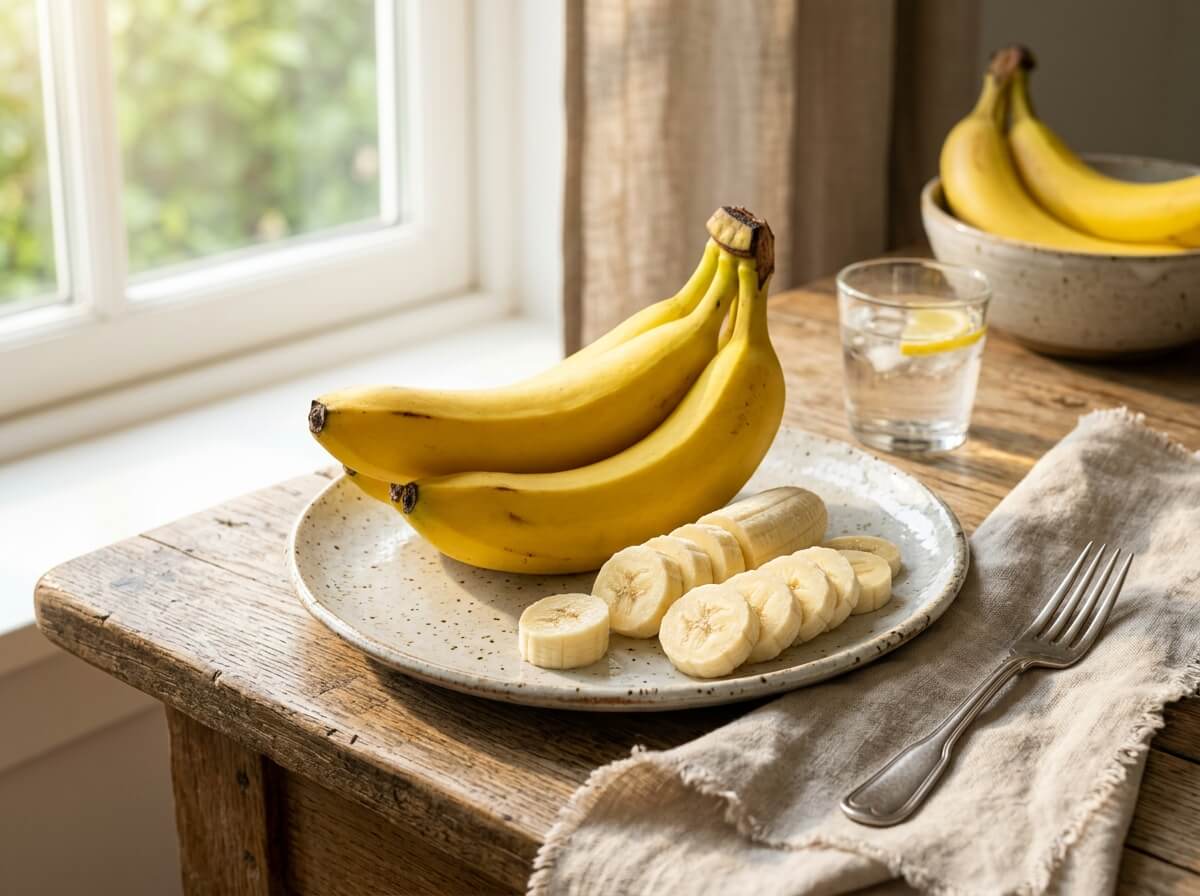
Fresh Banana 358 mg 1 mg 1 : 358 Favorable
Ultra-Processed Deli Meat 180 mg 1,120 mg 6.2 : 1 Inverted (Pro-Hypertensive)
Canned Commercial Soup 95 mg 840 mg 8.8 : 1 Inverted (Pro-Hypertensive)
Physiological Mechanism: Potassium-Induced Natriuresis

When dietary potassium intake rises, the concentration of potassium in the renal distal convoluted tubule increases. This triggers the dephosphorylation and deactivation of the sodium-chloride cotransporter (NCC). As a result, the kidneys cannot reabsorb sodium, forcing the body to excrete both sodium and excess water into the urine. This process—known as potassium-induced natriuresis—lowers plasma volume and relaxes systemic vascular resistance without requiring harsh diuretic medications.

Three Actionable Strategies to Correct Your Ratio

  • Replace half your salt with potassium salt (potassium chloride): Commercial "lite salts" replace 50% of sodium chloride with potassium chloride. In the landmark SSaSS trial involving 20,995 participants, switching to a potassium-enriched salt substitute reduced stroke rates by 14% and total mortality by 12%.
  • Eat one high-potassium food at every meal: Add a half avocado to breakfast, a side of steamed spinach or lentil salad to lunch, and a baked potato or sweet potato with dinner.
  • Drink potassium-rich broths: Simmering vegetable trimmings (celery, beet tops, carrots, leeks) produces a mineral-rich potassium broth with zero added sodium.
Audit Food Electrolytes on FoodAlt

Inspect exact sodium and potassium ratios across hundreds of ingredients to lower blood pressure naturally.

Domande Frequenti

What is the optimal sodium-to-potassium ratio for adults?

Cardiovascular research suggests an optimal dietary ratio of at least 1:2 or 1:3 (e.g. consuming roughly 2,000 mg of sodium and 4,000–4,700 mg of potassium per day). Ratios exceeding 1:1 are correlated with elevated systemic blood pressure and endothelial dysfunction.

Can potassium salt substitutes cause hyperkalemia?

For individuals with normal kidney function, potassium salt substitutes are exceptionally safe. However, individuals with Chronic Kidney Disease (CKD), severe heart failure, or those taking potassium-sparing medications (ACE inhibitors, ARBs, spironolactone) must avoid potassium salt substitutes due to the risk of life-threatening hyperkalemia.

Fonti e Metodologia

Data synthesized from peer-reviewed prospective cohort studies and USDA FoodData Central electrolyte databases.

Confronta altri alimenti su FoodAlt

FoodAlt ti aiuta a confrontare gli alimenti, scoprire alternative utili e comprendere la nutrizione con facilità.

#Electrolytes#Blood Pressure#Potassium#Sodium#Cardiovascular#Nutritional Science

Scopri Altri Confronti Alimentari

Vedi tutti gli articoli