Short answer
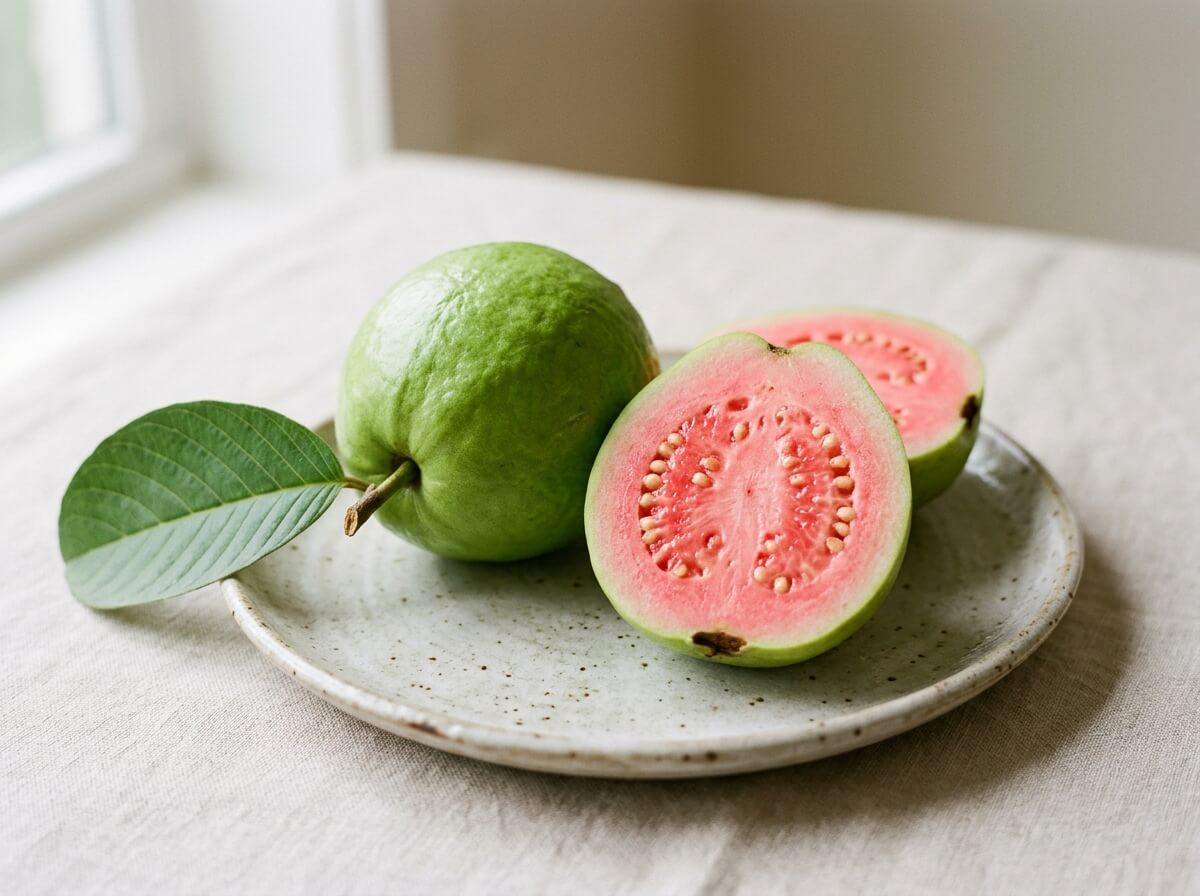
Guava has significantly more vitamin C than orange. Based on the nutrition values used in this comparison, guava provides 228.3 mg of vitamin C per 100 g compared with 53.2 mg in orange. That is about 4.3 times as much vitamin C, or about 329% more.
Guava vs Orange Nutrition Comparison
The table below compares guava and orange across key nutrients per 100 g edible portion, using data from USDA FoodData Central.
| Nutrient (per 100 g raw) | Guava | Orange | Comparison |
|---|---|---|---|
| Vitamin C | 228.3 mg | 53.2 mg | Guava 4.3x higher |
| Dietary Fiber | 5.4 g | 2.4 g | Guava 2.3x higher |
| Potassium | 417 mg | 181 mg | Guava 2.3x higher |
| Protein | 2.55 g | 0.94 g | Guava higher |
| Calories | 68 kcal | 47 kcal | Orange lower |
| Sugar | 8.9 g | 9.4 g | Similar |
Vitamin C: Guava vs Orange
Per 100 g, raw guava provides 228.3 mg of vitamin C (also called ascorbic acid), while raw orange provides 53.2 mg. That makes guava about 4.3 times higher in vitamin C by weight, or about 329% more.
Vitamin C is a water-soluble vitamin involved in collagen formation, antioxidant protection and normal immune function. Both guava and orange are considered good sources of vitamin C, but guava provides a substantially higher concentration per 100 g in this comparison.
In whole guava, vitamin C is naturally present alongside other compounds such as carotenoids and polyphenols. Some research suggests that these compounds may support vitamin C stability during digestion, although the extent of this effect can vary.
What Other Nutrients Do Guava and Orange Provide?
Beyond vitamin C, guava and orange differ in several other nutrients:
Dietary fiber
Guava provides 5.4 g of dietary fiber per 100 g compared with 2.4 g in orange. Dietary fiber supports digestive health and may help moderate blood sugar response after eating.
Potassium
Guava provides 417 mg of potassium per 100 g compared with 181 mg in orange. Potassium is an essential mineral involved in fluid balance, nerve signaling and muscle contraction. For a broader comparison of potassium-rich foods, see Potassium-Rich Foods: 5 Foods With More Potassium Than Bananas.
Calories
Orange is lower in calories at 47 kcal per 100 g compared with 68 kcal for guava. If you are managing calorie intake, this difference may be relevant.
Sugar
Both fruits contain similar amounts of natural sugar: guava at 8.9 g and orange at 9.4 g per 100 g.
Guava vs Orange: Which Should You Choose?
The answer depends on your goal. There is not always one best food.
Choose guava if you want:
- More vitamin C per 100 g
- More dietary fiber
- More potassium
- Higher overall nutrient density in this comparison
Choose orange if you want:
- Fewer calories per 100 g
- A familiar citrus flavor
- A widely available, convenient whole fruit
- A different taste and texture
FoodAlt is about finding useful alternatives, not declaring one food universally best. The better choice depends on what you need. You can compare guava and orange nutrition side by side using the FoodAlt comparison tool, or find food alternatives based on specific nutrients.
Practical Food Swap
If you normally choose orange mainly for vitamin C, guava is an alternative worth considering. Based on the 228.3 mg per 100 g value used in this comparison, about 55 g of guava (roughly one medium fruit) would provide approximately 125 mg of vitamin C.
That said, oranges remain a nutritious fruit. This is not about replacing oranges entirely. FoodAlt helps you understand your options so you can choose foods based on what matters most to you.
How Much Vitamin C Do Adults Need?
The recommended daily amount of vitamin C varies by age, sex and life stage. According to the NIH Office of Dietary Supplements, the Recommended Dietary Allowances (RDAs) for vitamin C are:
| Group | RDA (mg/day) |
|---|---|
| Adult men (19+ years) | 90 mg |
| Adult women (19+ years) | 75 mg |
| Pregnant women | 85 mg |
| Breastfeeding women | 120 mg |
| Smokers | Add 35 mg to base RDA |
About 55 g of guava would provide roughly 125 mg of vitamin C based on the 228.3 mg per 100 g value used here. That is more than the recommended daily amount for most adults, though individual needs vary.
Does Cooking Reduce Vitamin C?
Yes. Vitamin C is sensitive to heat, light and oxygen. Cooking, juicing and prolonged storage can reduce the vitamin C content of foods. The amount lost depends on the cooking method, temperature, duration and the food itself.
For example, boiling vegetables in water tends to cause greater vitamin C loss than steaming, because vitamin C dissolves into the cooking water. Eating fruits raw generally preserves more of their vitamin C content.