Executive Nutrition Summary
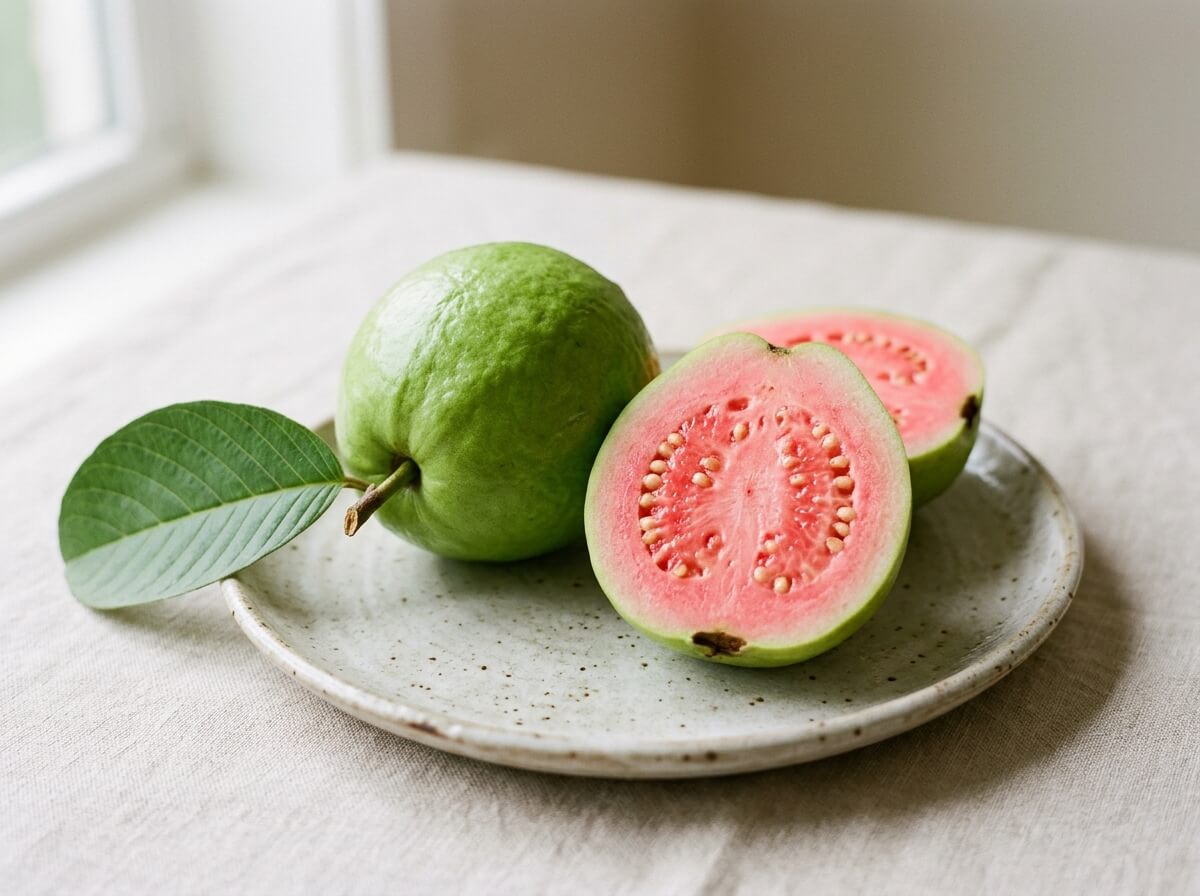
Guava significantly outperforms orange in vitamin C density. According to verified analytical records from USDA FoodData Central, 100 g of raw guava contains 228.3 mg of vitamin C (254% Daily Value), compared to 53.2 mg (59% DV) in 100 g of fresh navel or valencia orange. Eating a single medium guava (approx. 55 g) provides over 125 mg of vitamin C, surpassing the entire daily Recommended Dietary Allowance (RDA) for adult men and women.
Complete Nutritional Comparison: Guava vs. Orange (Per 100 g)
Both guava (Psidium guajava) and sweet orange (Citrus sinensis) are celebrated for citrus and tropical micronutrient profiles. However, when normalized to a standardized 100 g edible portion, their biochemical compositions diverge across several key parameters:
| Nutrient Metric | Guava (Raw) | Orange (Raw) | Nutritional Delta | Physiological Impact |
|---|---|---|---|---|
| Vitamin C (Ascorbic Acid) | 228.3 mg (254% DV) | 53.2 mg (59% DV) | +329% (Guava 4.3x higher) | Collagen synthesis, immune leukocyte mobility, non-heme iron reduction |
| Dietary Fiber | 5.4 g (19% DV) | 2.4 g (9% DV) | +125% (Guava 2.3x higher) | Microbiome short-chain fatty acid (SCFA) generation, delayed gastric emptying |
| Potassium | 417 mg (9% DV) | 181 mg (4% DV) | +130% (Guava 2.3x higher) | Cellular sodium-potassium ATPase pump regulation, vascular tone |
| Energy (Calories) | 68 kcal | 47 kcal | Orange 31% lower | Orange is advantageous for strict caloric deficit regimens |
| Total Carbohydrates | 14.3 g | 11.8 g | Guava +21% | Guava net carbs are lower relative to fiber ratio (8.9 g vs 9.4 g) |
| Total Sugars | 8.9 g | 9.4 g | Orange slightly higher | Orange contains higher proportion of free sucrose and fructose |
| Folate (Vitamin B9) | 49 mcg (12% DV) | 30 mcg (8% DV) | Guava +63% | DNA methylation, red blood cell synthesis, maternal fetal health |
| Vitamin A (RAE) | 31 mcg | 11 mcg | Guava +182% | Epithelial barrier integrity, phototransduction visual cascade |
| Lycopene | 5,204 mcg | 0 mcg | Exclusive to pink guava | Lipophilic carotenoid, potent singlet oxygen quenching antioxidant |
In the human intestine, L-ascorbic acid is transported across the enterocyte brush border membrane primarily via sodium-dependent vitamin C transporter 1 (SVCT1). Research demonstrates that fractional intestinal absorption of vitamin C is dose-dependent: at single oral intakes under 100 mg, bioavailability reaches approximately 80% to 90%. When single-bolus intakes exceed 500 mg, SVCT1 reaches kinetic saturation, reducing fractional absorption to under 50% as excess water-soluble ascorbic acid undergoes renal filtration. Because a single guava provides roughly 120–140 mg of naturally buffered vitamin C alongside flavonoids like quercetin, it hits the optimal absorption window without saturating renal clearance thresholds.
Beyond Vitamin C: Micronutrients & Phytochemical Synergy
While the 4.3x vitamin C multiplier captures initial attention, the functional superiority of guava lies within its broader nutritional matrix:
1. The Fiber & Pectin Profile
Guava contains 5.4 g of dietary fiber per 100 g, consisting of both insoluble structural fiber (from seed and pericarp walls) and soluble pectin. In comparison, oranges contain 2.4 g of fiber, largely localized in the albedo (the white spongy pith under the peel). When people juice oranges, virtually 100% of this fiber is discarded, leaving a fast-acting liquid fructose solution. Eating whole guava delivers a steady release of carbohydrates with a low glycemic response.
2. Lycopene and Polyphenolic Protection
Pink and red guava cultivars contain remarkable concentrations of lycopene (over 5,200 mcg per 100 g)—a lipophilic carotenoid that sweet oranges lack entirely (with the exception of blood oranges which synthesize anthocyanins). Lycopene works synergistically with ascorbic acid to quench free radicals and inhibit lipid peroxidation in endothelial cell membranes.
3. Potassium & Cardiovascular Tone
At 417 mg of potassium per 100 g, guava supplies more than double the potassium of oranges (181 mg). Potassium is the body's chief intracellular cation, balancing dietary sodium to modulate vascular smooth muscle contraction. Pairing high potassium with low sodium is a cornerstone of the clinically validated DASH diet.
Never boil or bake whole guava if vitamin C preservation is your objective. L-ascorbic acid readily oxidizes into dehydroascorbic acid and undergoes irreversible thermal degradation at temperatures exceeding 60°C (140°F). To maximize nutrient retention:
- Consume raw: Wash thoroughly and slice whole. The thin outer rind is entirely edible and holds the highest concentration of ascorbic acid in the entire fruit.
- Edible seeds: Guava seeds are rich in dietary fiber and essential fatty acids. If you prefer not to chew them, blend the fruit whole into smoothies rather than straining.
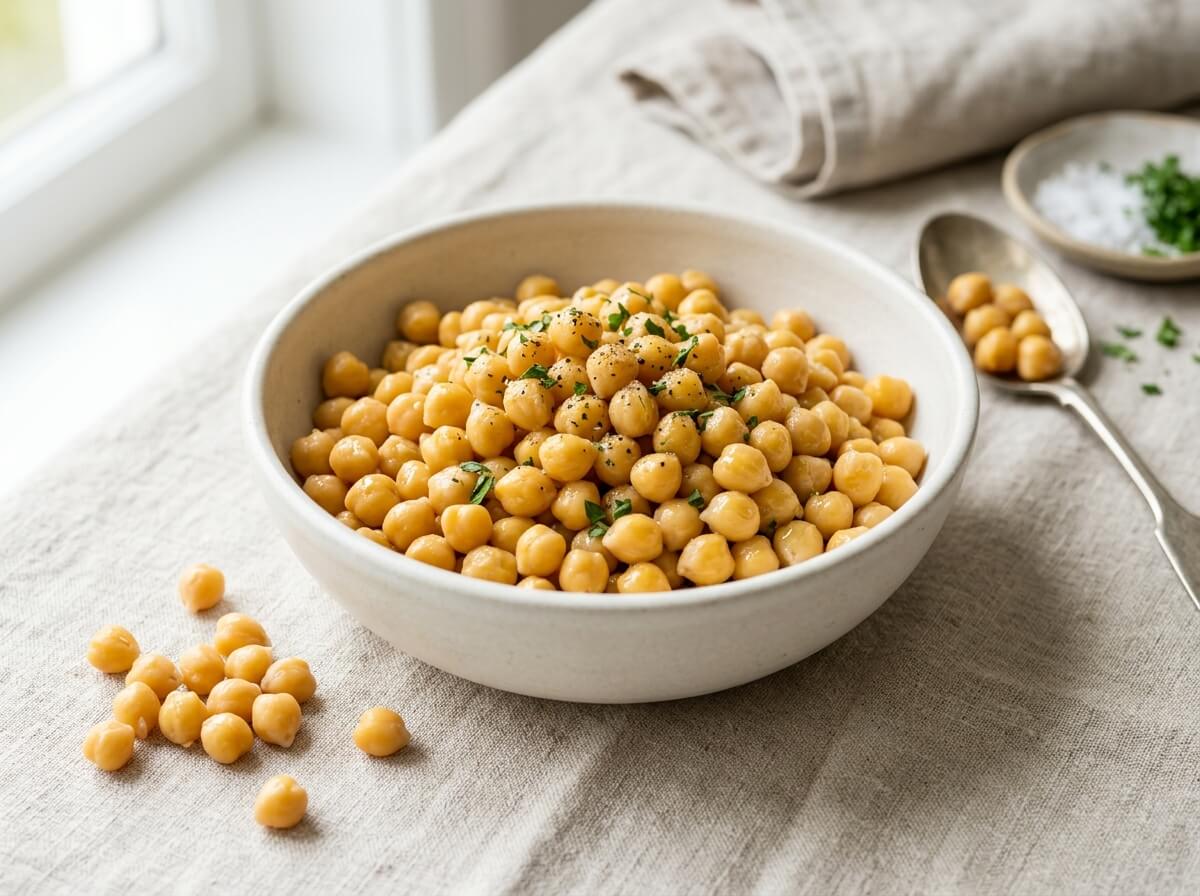
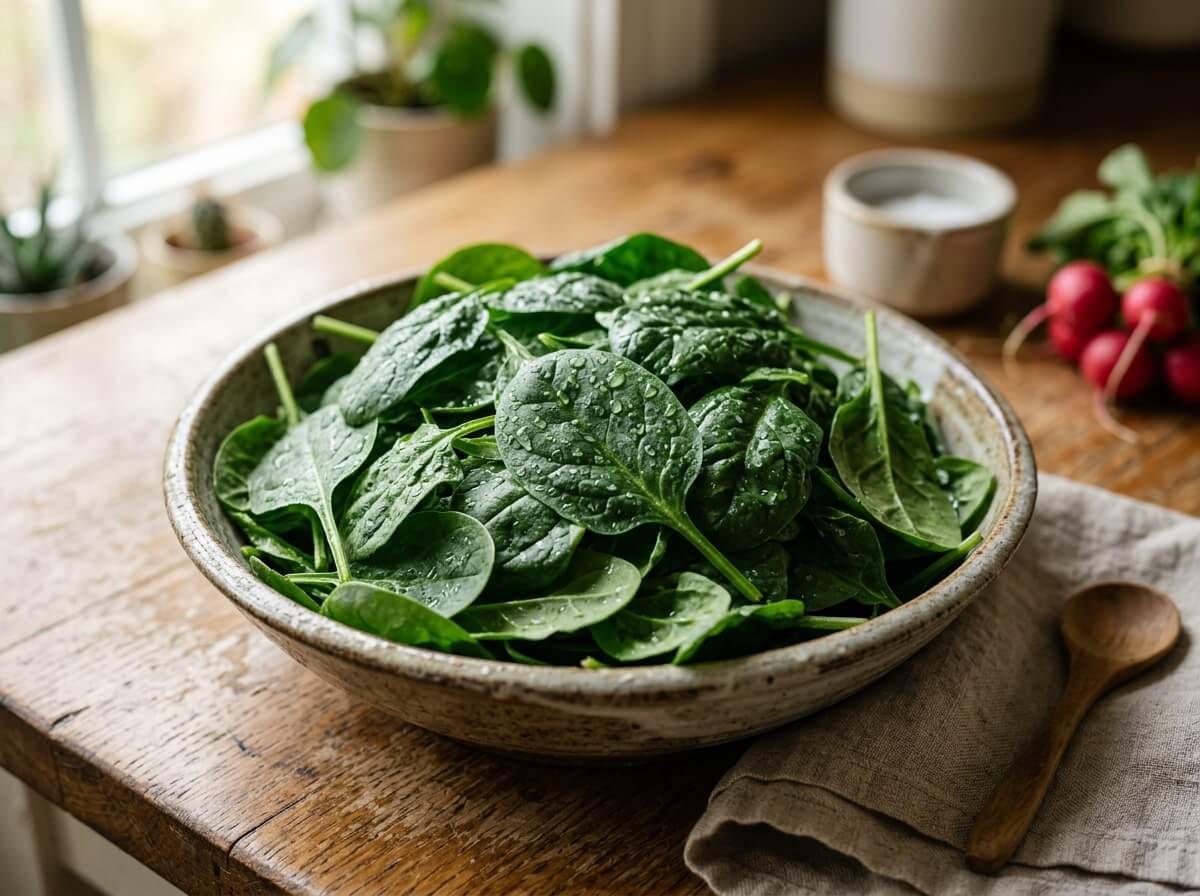
- Pair with plant iron: Consume fresh guava alongside iron-rich plant foods like lentils, chickpeas, or spinach. The natural ascorbic acid reduces ferric iron (Fe3+) to ferrous iron (Fe2+), boosting non-heme iron absorption by up to 300%.
Because the citrus industry ran historic marketing campaigns throughout the 20th century, the orange became culturally synonymous with vitamin C. In reality, on a per-100-g basis, oranges rank far below numerous common whole foods: Guava (228 mg), Blackcurrants (181 mg), Red Bell Peppers (127 mg), Kiwi (93 mg), and Broccoli (89 mg) all significantly outrank the orange (53 mg).
Who Should Choose Guava vs. Orange?
The optimal selection between these two nutritious fruits depends on distinct metabolic and dietary goals:
Choose Guava If:
- You want maximum immune and antioxidant density: A single fruit provides more than double your daily vitamin C requirement.
- You need to increase dietary fiber: Guava provides 5.4 g of fiber per 100 g, making it exceptionally satiating.
- You are managing blood sugar or insulin: Guava's high fiber-to-sugar ratio prevents rapid glucose excursions.
- You are on a high-potassium / DASH regimen: Over 400 mg potassium per 100 g assists in blood pressure homeostasis.
Choose Orange If:
- You are on a strict caloric deficit: Orange provides fewer calories (47 kcal vs. 68 kcal per 100 g).
- You need convenient, travel-friendly portability: The thick citrus peel protects the fruit without requiring knives or refrigeration.
- You have sensitive dental enamel or seed aversion: Oranges offer a softer texture without the hard central seed core of whole guavas.