Short answer
Yes. Plant foods can provide substantial amounts of protein, especially soy foods, legumes and seeds. The best choice depends on whether you prioritise protein per 100 g, protein per calorie, fiber, calories or overall nutrient density. FoodAlt compares both measures so you can choose based on your goal.
Quick answer
Some of the most protein-dense plant foods include tofu, tempeh, lentils, black beans, chickpeas and pumpkin seeds. Tofu can be especially useful when the goal is to increase protein without adding as many calories or carbohydrates as whole grains or calorie-dense nuts. See the full FoodAlt methodology for how nutrient density is calculated.
What Are High-Protein Plant Foods?
High-protein plant foods are plant-based ingredients that provide a meaningful amount of protein relative to their weight or calorie content. Common examples include legumes (lentils, beans, chickpeas), soy foods (tofu, tempeh, edamame), seeds (pumpkin seeds, hemp seeds, chia seeds) and some grains (quinoa, oats).
"High protein" can mean different things depending on how it is measured. A food with 30 g of protein per 100 g might seem like the clear winner, but if it also contains 559 kcal per 100 g, a smaller portion delivers less protein per calorie than a food with only 10 g of protein per 100 g but far fewer calories. This distinction is central to how FoodAlt compares foods.
Best High-Protein Plant Foods Compared
The table below compares plant foods by protein per 100 g and protein per 100 kcal. All values are from the FoodAlt database, sourced from USDA FoodData Central. Preparation state is noted for each food because cooking changes nutrient concentration.
| Food | State | Protein / 100 g | Calories / 100 g | Protein / 100 kcal | NDI Score | Key Strengths |
|---|---|---|---|---|---|---|
| Tofu, firm | Raw | 9.98 g | 83 kcal | 12.0 g | High | Calcium (282 mg), low calorie, versatile |
| Tempeh | Cooked | 19.0 g | 192 kcal | 9.9 g | High | Fermented, probiotic-friendly, fiber (4.8 g) |
| Lentils | Cooked | 9.02 g | 116 kcal | 7.8 g | High | Fiber (7.9 g), iron (3.33 mg), folate |
| Black beans | Cooked | 8.86 g | 132 kcal | 6.7 g | High | Fiber (8.7 g), folate (149 µg), magnesium |
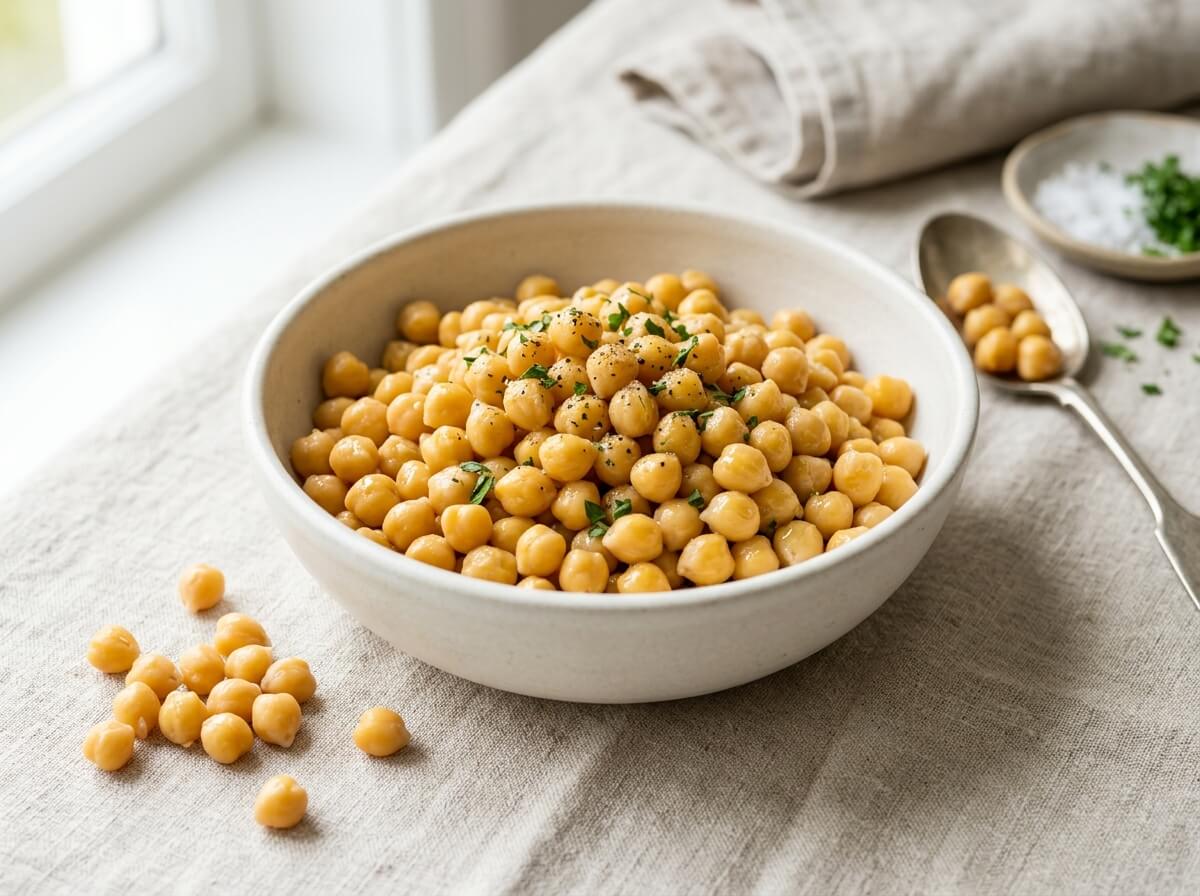
| Chickpeas | Cooked | 8.86 g | 164 kcal | 5.4 g | High | Fiber (7.6 g), folate (172 µg), iron (2.89 mg) |
| Pumpkin seeds | Raw, kernels | 30.23 g | 559 kcal | 5.4 g | High | Magnesium (592 mg), zinc (7.81 mg), iron |
| Chia seeds | Raw | 16.54 g | 486 kcal | 3.4 g | High | Fiber (34.4 g), calcium (631 mg), omega-3 ALA |
| Almonds | Raw | 21.15 g | 579 kcal | 3.7 g | High | Vitamin E (25.6 mg), magnesium, riboflavin |
| Quinoa | Cooked | 4.40 g | 120 kcal | 3.7 g | Medium | Complete amino-acid profile, gluten-free grain |
| Oats | Raw, rolled | 13.15 g | 379 kcal | 3.5 g | High | Beta-glucan fiber (10.1 g total fiber), iron, zinc |
How to read this table. Pumpkin seeds have the most protein per 100 g (30.23 g), but firm tofu provides the most protein per 100 kcal (12.0 g). These answer different questions. See Nutrient Density Per Calorie for more on this distinction.
Protein Per 100 g vs Protein Per 100 kcal
Protein per 100 g tells you how much protein is in a fixed weight of food. This is useful when you want to know the protein concentration by weight, such as how much protein you get if you add 100 g of a food to a meal.
Protein per 100 kcal tells you how much protein you get for a fixed amount of energy. This is useful when you want to increase protein without adding more calories than you want. FoodAlt calculates this as: Protein per 100 g × (100 ÷ Calories per 100 g). See the FoodAlt methodology for more detail.
For example, raw pumpkin seeds contain 30.23 g of protein per 100 g, but also 559 kcal. Per 100 kcal, they provide only 5.4 g of protein. Firm tofu contains 9.98 g of protein per 100 g at just 83 kcal, providing 12.0 g of protein per 100 kcal. Tofu is therefore more protein-efficient per calorie, even though it has less protein per 100 g.
Top Plant Protein Sources Ranked
Ranked by protein per 100 g
- Pumpkin seeds (raw, kernels): 30.23 g protein per 100 g
- Almonds (raw): 21.15 g protein per 100 g
- Chia seeds (raw): 16.54 g protein per 100 g
- Tofu, firm (raw): 9.98 g protein per 100 g
- Lentils (cooked): 9.02 g protein per 100 g
Ranked by protein per 100 kcal
- Tofu, firm (raw): 12.0 g protein per 100 kcal
- Lentils (cooked): 7.8 g protein per 100 kcal
- Black beans (cooked): 6.7 g protein per 100 kcal
- Pumpkin seeds (raw): 5.4 g protein per 100 kcal
- Chickpeas (cooked): 5.4 g protein per 100 kcal
The rankings change depending on the measure. FoodAlt shows both so you can decide which matters more for your goal. You can compare any two foods side by side.
Tofu vs Lentils vs Beans
Firm tofu provides 9.98 g of protein per 100 g at 83 kcal, with very little carbohydrate (1.88 g) and 282 mg of calcium. It is especially useful when you want to add protein without significantly increasing carbohydrate or calorie intake.
Cooked lentils provide 9.02 g of protein per 100 g at 116 kcal, with 7.9 g of dietary fiber, 181 µg of folate and 3.33 mg of iron. They are a strong choice when you want both protein and fiber in the same food (see Dietary Fiber and Gut Health for how legumes support microbiome fermentation).
Cooked black beans provide 8.86 g of protein per 100 g at 132 kcal, with 8.7 g of fiber, 60 mg of magnesium and 149 µg of folate. Like lentils, they combine protein with fiber and minerals.
Cooked chickpeas provide 8.86 g of protein per 100 g at 164 kcal with 7.6 g of fiber. They have more calories per 100 g than lentils or black beans, partly due to slightly higher fat content (2.59 g).
Seeds as Protein Sources
Seeds can contain large amounts of protein per 100 g, but they are also calorie-dense because of their high fat content. This matters if your goal is to increase protein without adding many calories.
Pumpkin seeds (raw, kernels) contain 30.23 g of protein per 100 g alongside 49.05 g of fat and 559 kcal. They are also an exceptionally rich source of magnesium (592 mg per 100 g) and zinc (7.81 mg per 100 g), according to USDA FoodData Central data.
Chia seeds contain 16.54 g of protein per 100 g with 34.4 g of fiber, which is one of the highest fiber concentrations of any common food. However, at 486 kcal per 100 g, they provide only 3.4 g of protein per 100 kcal.
Seeds work well as a supplementary protein source rather than a primary one. A tablespoon of pumpkin seeds (about 10 g) adds roughly 3 g of protein and 56 kcal to a meal.
Do Plant Proteins Need to Be Combined?
Plant proteins provide all essential amino acids across the diet, although individual foods vary in their amino-acid profiles. For example, legumes tend to be lower in the amino acid methionine but higher in lysine, while grains and seeds tend to be higher in methionine but lower in lysine.
Most people do not need to deliberately combine complementary proteins at every meal. Eating a varied diet across the day can provide a broad mix of essential amino acids. This is consistent with the position of major nutrition organisations, including guidance from the Harvard T.H. Chan School of Public Health.
That said, eating a variety of protein sources (legumes, soy foods, seeds, whole grains and vegetables) across the day helps ensure a broader amino-acid intake. This is a practical consideration rather than a strict meal-by-meal requirement.
Protein Quality: What It Means
Protein quality refers to more than just the total grams of protein in a food. It also includes:
- Essential amino-acid profile: The relative amounts of the nine essential amino acids (histidine, isoleucine, leucine, lysine, methionine, phenylalanine, threonine, tryptophan and valine).
- Digestibility: How efficiently the protein is absorbed. Plant proteins generally have slightly lower digestibility than animal proteins, though this varies by food and preparation.
- Leucine content: Leucine is one of the essential amino acids involved in stimulating muscle protein synthesis. Soy foods tend to contain more leucine than most other plant proteins.
Protein quality is relevant for people with higher protein needs, such as older adults or those engaged in regular resistance training. For most people eating a varied diet with adequate total protein, protein quality differences between plant foods are less likely to be a practical concern. The NIH Office of Dietary Supplements provides further guidance on protein requirements.
How to Build a High-Protein Plant-Based Meal
A practical approach is to combine a protein-rich base with supporting foods:
Step 1: Choose a protein base
- Tofu (firm): 9.98 g protein per 100 g
- Tempeh: approximately 19–20 g protein per 100 g
- Lentils: 9.02 g protein per 100 g
- Black beans: 8.86 g protein per 100 g
Step 2: Add a supporting grain
- Quinoa (cooked): 4.40 g protein per 100 g
- Brown rice (cooked): 2.74 g protein per 100 g
- Whole-wheat pasta (cooked): 5.33 g protein per 100 g
Step 3: Finish with nutrient-dense toppings
- Pumpkin seeds: ~3 g protein per tablespoon (10 g)
- Nutritional yeast: ~4 g protein per tablespoon (8 g)
- Hemp seeds: ~3 g protein per tablespoon (10 g)
Practical High-Protein Food Swaps
Here are practical swaps to increase protein using common plant foods:
| Instead of | Swap for | Protein difference | Additional benefit |
|---|---|---|---|
| White rice (2.69 g / 100 g) | Quinoa (4.40 g / 100 g) | +1.71 g protein per 100 g | Higher fiber, complete amino-acid profile |
| Standard croutons in salad | Roasted pumpkin seeds (30.23 g / 100 g) | Substantially more protein | Magnesium (592 mg), zinc (7.81 mg) |
| Sour cream (2.44 g / 100 g) | Blended silken tofu sauce | More protein per calorie | Lower saturated fat |
| Plain oatmeal (water only) | Oatmeal + soy milk + hemp seeds | +8–10 g protein per bowl | Omega-3 fats, calcium |
You can use the FoodAlt food alternatives tool to find higher-protein alternatives for any food in the database.
Which Plant Protein Is Best for You?
There is no single best plant protein food. The better choice depends on what you need:
- Best for protein per calorie: Firm tofu (12.0 g protein per 100 kcal)
- Best for protein + fiber: Black beans (8.86 g protein and 8.7 g fiber per 100 g)
- Best for protein per 100 g: Pumpkin seeds (30.23 g protein per 100 g)
- Best for meal versatility: Chickpeas, usable in salads, curries, soups and roasted as a snack
- Best soy-based option: Tempeh, providing approximately 19–20 g protein per 100 g with a fermented texture
- Best legume for iron + protein: Lentils (9.02 g protein and 3.33 mg iron per 100 g)
FoodAlt helps you find the better food for what you need. Compare foods, explore alternatives, or search the food database to find what works for your goal.