Core Takeaway for Athletes & Plant-Based Diets
Plant-based proteins can match animal proteins in supporting lean muscle mass and metabolic satiety, provided you understand the distinction between protein per 100 g (gross weight) and protein per 100 kcal (caloric efficiency). Foods like firm tofu (12.0 g protein / 100 kcal) and cooked tempeh (10.3 g protein / 100 kcal) deliver lean amino acids without excessive carbohydrate or lipid load, while whole legumes (lentils, black beans) supply indispensable prebiotic fiber.
The Plant Protein Matrix: Weight vs. Caloric Efficiency
A common error in dietary planning is evaluating foods solely by protein percentage on a dry or gross-weight basis. For instance, pumpkin seeds contain an impressive 30.2 g of protein per 100 g. However, they also contain 559 kcal per 100 g due to their dense lipid profile. To get 30 g of protein from pumpkin seeds, you consume nearly 560 calories. In contrast, 30 g of protein from firm tofu requires only 250 calories.
| Plant Food Source | Serving State | Protein / 100 g | Calories / 100 g | Protein / 100 kcal | Fiber / 100 g | Primary Functional Asset |
|---|---|---|---|---|---|---|
| Tofu (Firm) | Raw / Prepared | 9.98 g | 83 kcal | 12.0 g | 0.3 g | High calcium (282 mg), low carb, complete amino acid profile |
| Tempeh | Cooked | 19.9 g | 193 kcal | 10.3 g | 4.8 g | Fermented whole soy, degraded phytates, high zinc & iron |
| Lentils (Green/Brown) | Boiled / Cooked | 9.02 g | 116 kcal | 7.78 g | 7.9 g | Exceptional prebiotic resistant starch and folate |
| Edamame | Boiled / Steamed | 11.9 g | 121 kcal | 9.83 g | 5.2 g | Whole young soybean, balanced BCAAs, high potassium |
| Black Beans | Boiled / Cooked | 8.86 g | 132 kcal | 6.71 g | 8.7 g | Rich in anthocyanins, resistant starch, magnesium |
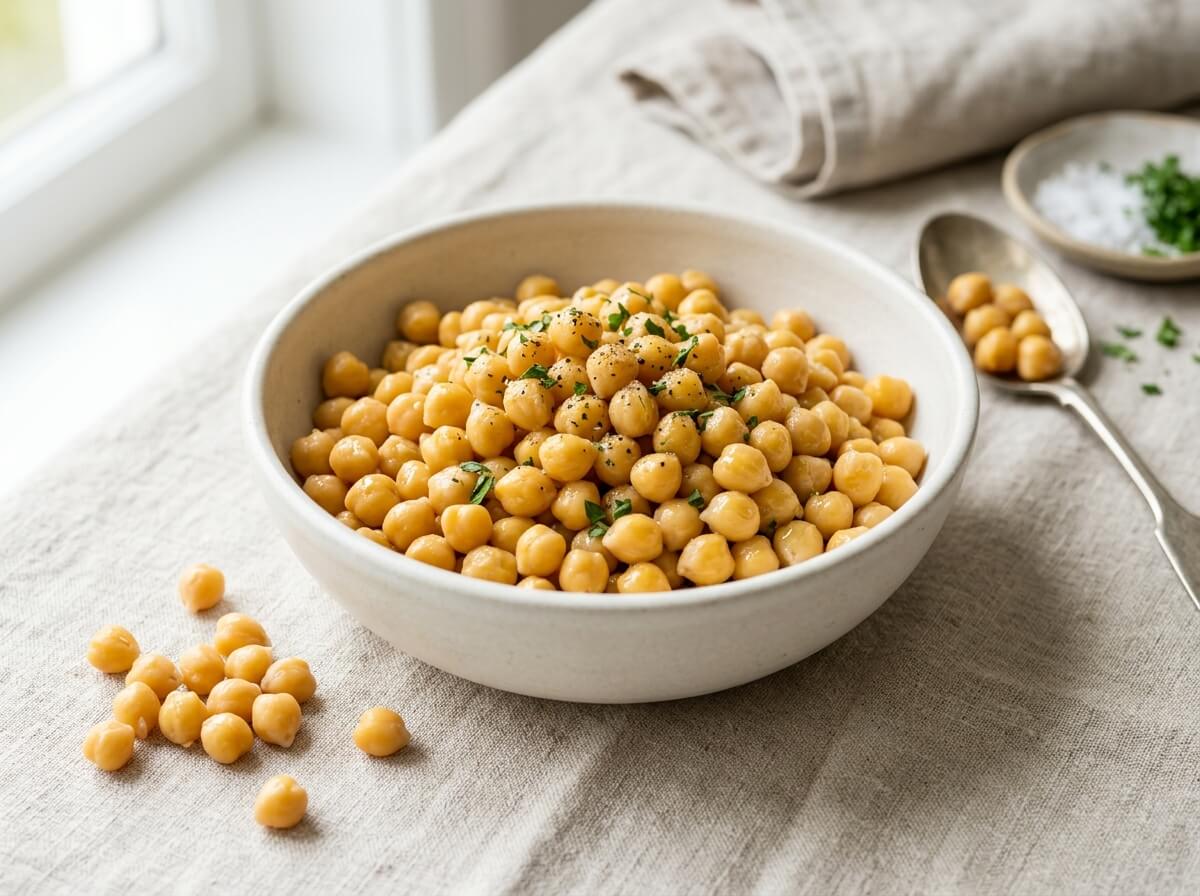
| Chickpeas (Garbanzo) | Boiled / Cooked | 8.86 g | 164 kcal | 5.40 g | 7.6 g | Culinary versatility, mild flavor, slow-release starch |
| Pumpkin Seeds | Raw Kernels | 30.2 g | 559 kcal | 5.40 g | 6.0 g | Highest zinc (7.8 mg) and magnesium (592 mg) density |
| Chia Seeds | Whole Raw | 16.5 g | 486 kcal | 3.40 g | 34.4 g | Supreme mucilage soluble fiber and alpha-linolenic acid (ALA) |
In 2013, the Food and Agriculture Organization (FAO) replaced the older PDCAAS standard with the Digestible Indispensable Amino Acid Score (DIAAS). Unlike PDCAAS, which evaluated fecal digestibility (where colonic bacteria distort nitrogen measurements), DIAAS measures true ileal amino acid digestibility at the end of the small intestine. Soy protein isolate and pea protein isolate boast DIAAS scores exceeding 0.90–1.00, rivaling whey and casein. For active adults stimulating muscle protein synthesis, the rate-limiting trigger is the leucine threshold (~2.5 g to 3.0 g of L-leucine per feeding). Achieving this threshold with whole plant foods simply requires slightly larger portion sizes (e.g. 250 g of cooked lentils or 200 g of firm tofu).
Debunking the "Protein Combining" Myth
For decades, popular literature claimed that plant-based eaters must combine specific complementary proteins (such as beans and rice) at every single meal to form a "complete" protein. Modern metabolic physiology has thoroughly discarded this concept.
The human body maintains an endogenous amino acid pool through continuous protein turnover. Every day, the gastrointestinal tract digests and recycles approximately 70–100 grams of endogenous proteins (from digestive enzymes and desquamated mucosal cells). These recycled amino acids mix with dietary intake in the liver and bloodstream. As long as a person consumes an adequate variety of whole grains, legumes, vegetables, and seeds across a 24-hour cycle, the body effortlessly pools and synthesizes all required structural proteins and enzymes.
Legumes and seeds contain natural defense compounds—primarily phytic acid (phytates), trypsin inhibitors, and lectins—that can moderately reduce the digestive absorption of protein, zinc, iron, and calcium. You can dramatically improve bioavailability through traditional food preparation techniques:
- Overnight Soaking with an Acid Medium: Soaking dried beans and lentils for 12–16 hours in warm water with a tablespoon of lemon juice or apple cider vinegar activates endogenous phytases, hydrolyzing up to 50% of phytic acid.
- Pressure Cooking: High-pressure steam cooking deactivates over 95% of active lectins and heat-sensitive trypsin inhibitors.
- Fermentation (Tempeh, Miso, Natto): Rhizopus mold fermentation during tempeh production breaks down plant cell walls and pre-digests proteins into peptide chains, significantly increasing amino acid absorption efficiency.
Smart Plant Protein Swaps for Everyday Meals
- Swap ground beef for tempeh or lentil crumbles: Crumbled tempeh sautéed with smoked paprika, cumin, and low-sodium tamari mimics the texture of ground meat while providing zero cholesterol, zero trans fat, and 4.8 g of dietary fiber per 100 g.
- Swap refined pasta for chickpea or red lentil rotini: Legume-based pastas provide 21–25 g of protein and 11 g of fiber per 100 g portion, blunting glucose spikes compared to enriched wheat semolina.
- Swap croutons for roasted edamame or pumpkin seeds: Adds a satisfying crunch to salads alongside 12–14 g of high-leucine plant protein and vital zinc.