Quick Summary
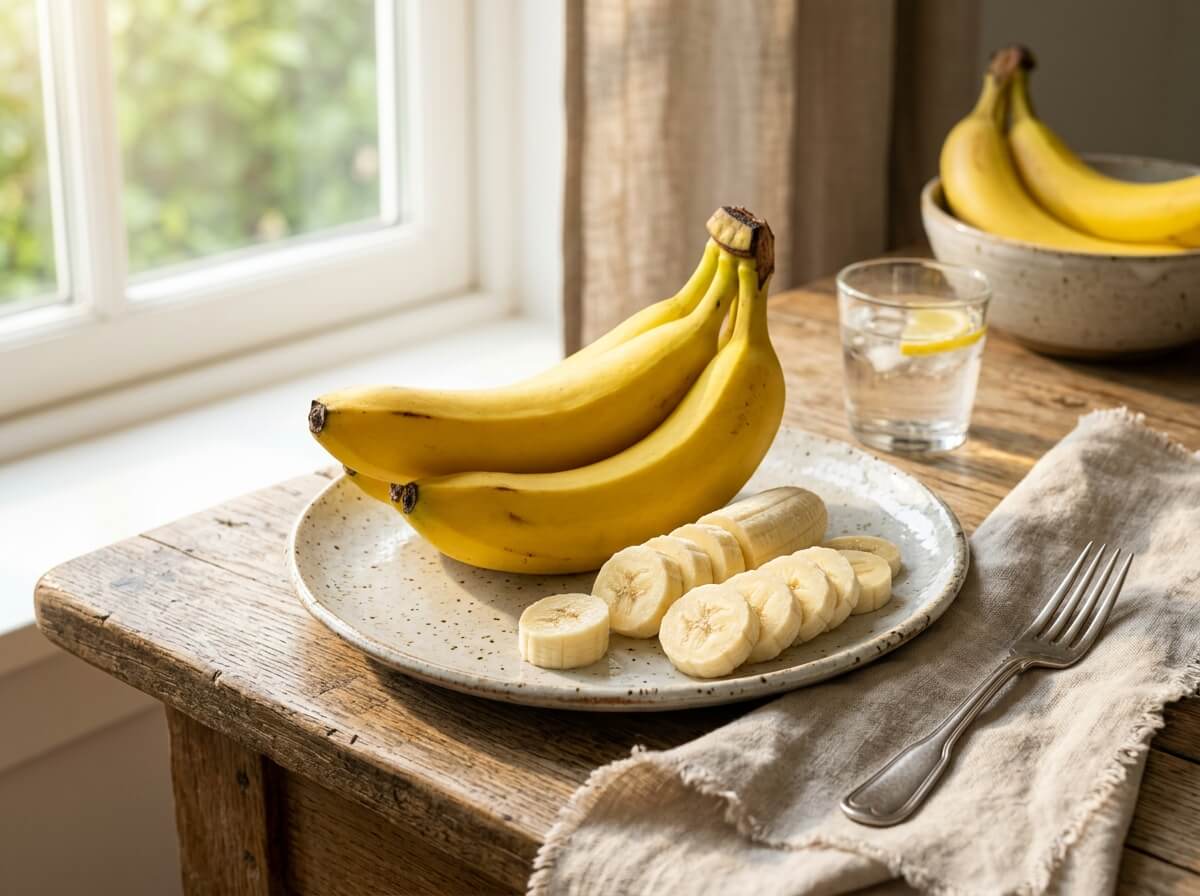
Bananas are a good potassium source, but they are far from the most potent. While raw banana provides 358 mg of potassium per 100 g, common whole foods like cooked beet greens (909 mg), cooked white beans (561 mg), cooked spinach (558 mg), Hass avocado (485 mg), and baked salmon (628 mg) deliver substantially higher potassium concentrations per 100 g, often with significantly less sugar.
The Potassium Disconnect in Western Diets
The National Academy of Medicine establishes an Adequate Intake (AI) for potassium of 3,400 mg/day for adult men and 2,600 mg/day for adult women (with therapeutic targets reaching 4,700 mg/day for blood pressure management). Yet according to NHANES dietary survey data, less than 3% of American adults meet this target. Relying solely on bananas (which deliver roughly 400 mg each alongside 14 g of free sugar) would require consuming 8 to 10 bananas every day—an impractical approach for most dietary strategies.
5 Everyday Foods With More Potassium Than Bananas (Per 100 g)
| Food Item | Preparation State | Potassium / 100 g | Comparison vs Banana | Calories / 100 g | Sugar / 100 g |
|---|---|---|---|---|---|
| Beet Greens | Cooked / Boiled | 909 mg | +154% (2.5x higher) | 27 kcal | 0.5 g |
| Wild Salmon | Baked / Cooked | 628 mg | +75% (1.8x higher) | 182 kcal | 0.0 g |
| White Beans (Cannellini) | Boiled / Cooked | 561 mg | +57% higher | 139 kcal | 0.3 g |
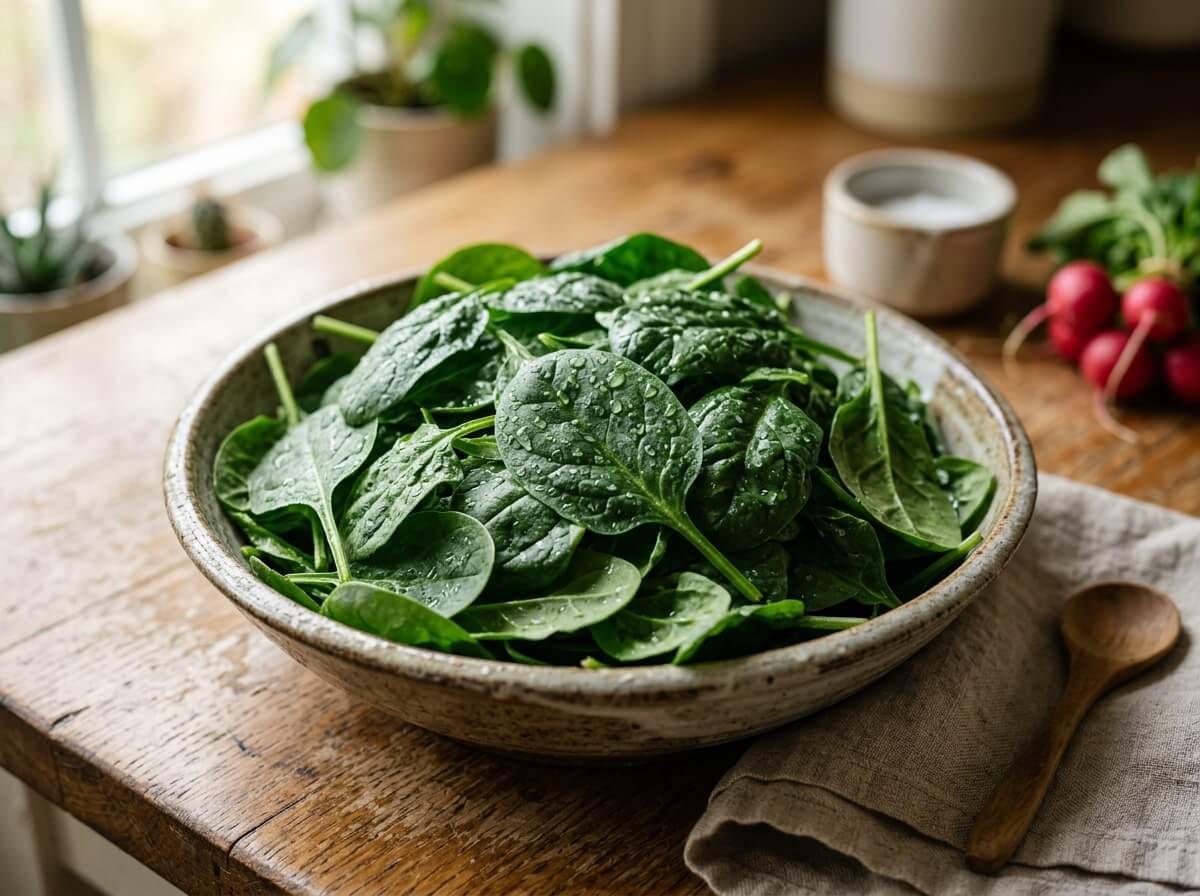
| Spinach | Cooked / Boiled | 558 mg | +56% higher | 23 kcal | 0.4 g |
| Hass Avocado | Fresh Raw | 485 mg | +35% higher | 160 kcal | 0.7 g |
| Banana (Reference) | Fresh Raw | 358 mg | Baseline | 89 kcal | 12.2 g |
Potassium is the chief intracellular cation, maintaining an intracellular concentration of ~140–150 mEq/L against an extracellular sodium concentration of ~140 mEq/L. This concentration gradient is sustained by the energy-intensive Na+/K+-ATPase pump, consuming up to 30% of total basal cellular ATP. In vascular smooth muscle, elevated intracellular potassium hyperpolarizes the endothelial cell membrane, deactivating L-type voltage-gated calcium channels. This causes smooth muscle relaxation, arterial dilation, and a reduction in systemic peripheral resistance. Consuming potassium-dense foods directly counteracts dietary sodium-induced fluid retention and arterial stiffness.
Deep Dive into the Potassium Leaders
1. Cooked Beet Greens (909 mg / 100 g)
Most consumers discard the leafy tops of fresh beets. Yet beet greens represent one of the single most potassium-dense botanical tissues known. Just one cup of cooked beet greens provides over 1,300 mg of potassium—more than a third of the daily target—with negligible sugar and abundant lutein for retinal health.
2. Baked Salmon (628 mg / 100 g)
Fish is seldom viewed as an electrolyte powerhouse, but wild cold-water salmon contains more potassium than almost all fruits. A standard 6-ounce fillet (170 g) delivers over 1,000 mg of potassium alongside 40 g of complete protein and bio-identical marine omega-3s (EPA and DHA).
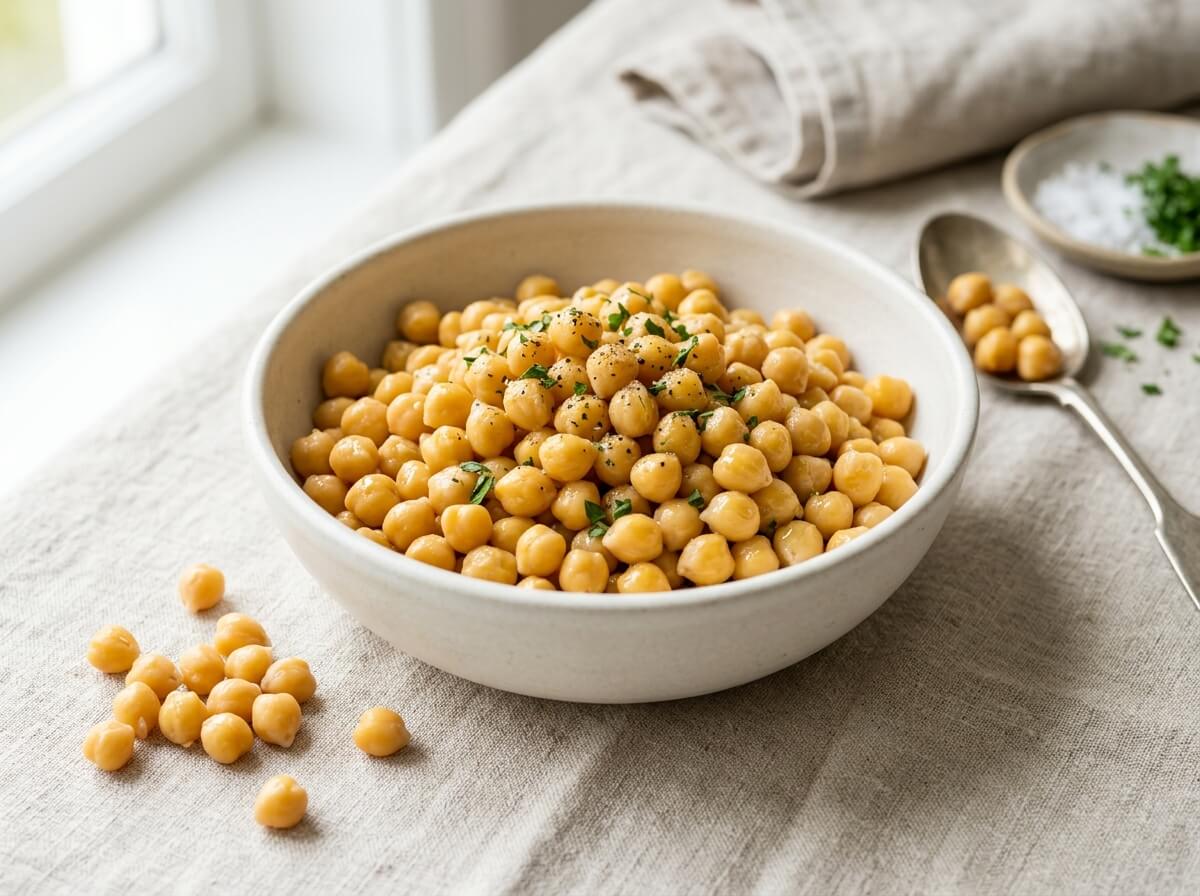
3. Cooked White Beans (561 mg / 100 g)
Legumes are stellar mineral accumulators. A single cup of cooked white beans (approx. 180 g) supplies over 1,000 mg of potassium and 11 g of dietary fiber. Adding white beans to vegetable soups or pureeing them into creamy dressings is a practical way to boost daily electrolytes without supplements.
While healthy kidneys rapidly excrete excess dietary potassium through urine, individuals with stage 3–5 Chronic Kidney Disease (CKD), acute kidney injury, or those taking potassium-sparing diuretics (e.g. spironolactone) or renin-angiotensin-aldosterone inhibitors (ACE inhibitors, ARBs) cannot clear high potassium loads efficiently. For these patients, serum potassium levels exceeding 5.5 mEq/L (hyperkalemia) can induce fatal cardiac arrhythmias. Always follow a nephrologist's guidance regarding potassium restrictions if you have impaired renal function.