Cellular Longevity Summary
Dietary inflammation is not a vague lifestyle concept; it is a measurable clinical cascade. The Dietary Inflammatory Index (DII), developed at the University of South Carolina, classifies foods by their direct ability to elevate or depress inflammatory biomarkers (such as hs-CRP, IL-1beta, and TNF-alpha). Replacing refined pro-inflammatory staples with high-polyphenol whole foods—such as extra virgin olive oil, wild berries, cruciferous vegetables, and culinary spices—suppresses NF-kB inflammatory cascades and activates endogenous cellular defense pathways.
The Molecular Targets: How Polyphenols Silence Inflammation
For decades, nutritional science mischaracterized antioxidants as simple biological sponges that soak up free radicals in test tubes. Modern molecular biology shows that plant polyphenols function primarily through xenohormesis and cellular signaling modulation:
- Inhibition of NF-kB (Nuclear Factor Kappa B): NF-kB is the master transcription factor that turns on inflammatory genes. Polyphenols like quercetin, curcumin, and resveratrol prevent the degradation of I-kappa-B, keeping NF-kB sequestered in the cytoplasm and stopping the transcription of inflammatory cytokines.
- Activation of Nrf2 (Nuclear Factor Erythroid 2-Related Factor 2): Polyphenols trigger mild oxidative stress that dissociates Nrf2 from Keap1. Nrf2 then migrates to the cell nucleus, binding to the Antioxidant Response Element (ARE) to ramp up endogenous production of glutathione, catalase, and superoxide dismutase (SOD).
Anti-Inflammatory Food Swaps & Polyphenol Profiles
| Pro-Inflammatory Standard | Anti-Inflammatory Whole Food Swap | Key Bioactive Phenolic Class | Clinical Mechanism |
|---|---|---|---|
| Refined Soybean / Corn Oil | Extra Virgin Olive Oil (EVOO) | Oleocanthal, Hydroxytyrosol, Oleuropein | Inhibits COX-1 and COX-2 enzymes, suppressing inflammatory prostaglandins |
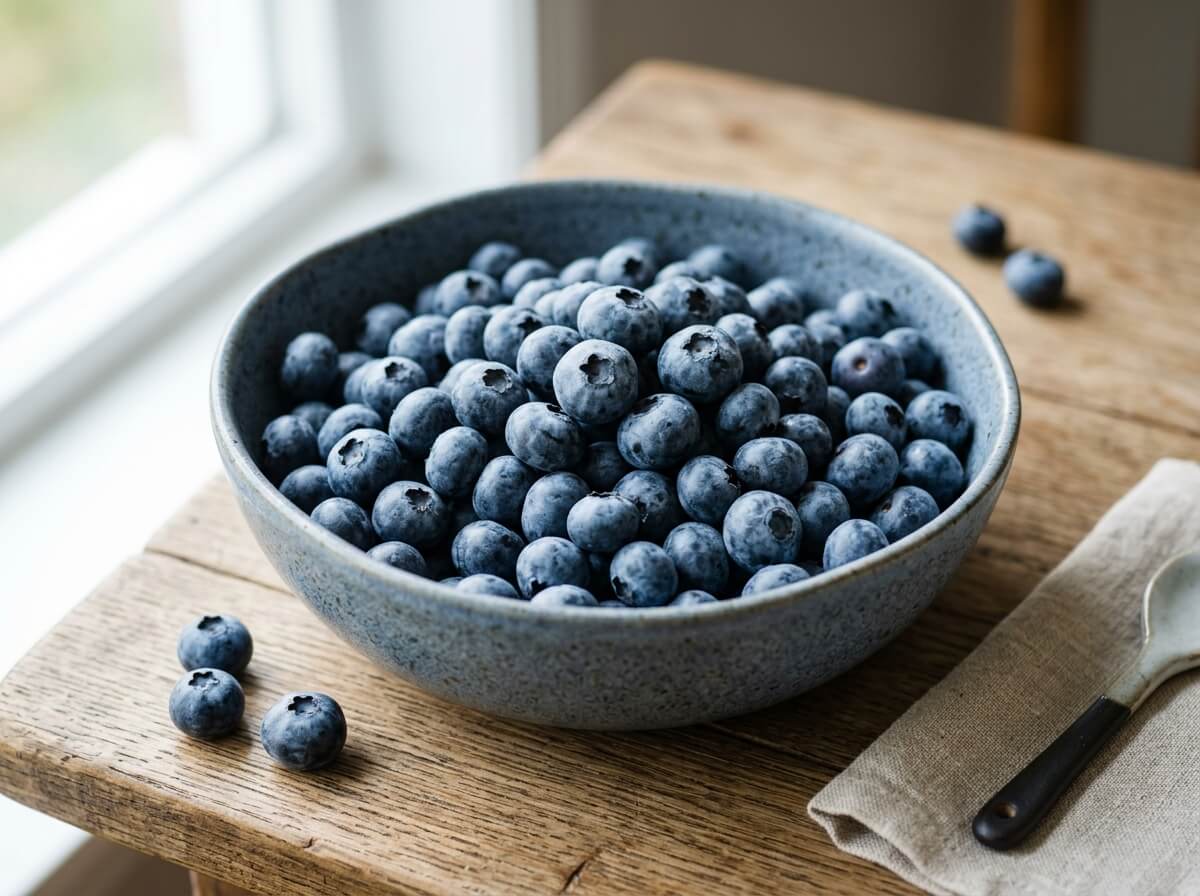
| Sugary Fruit Candies / Pastries | Blueberries / Blackberries | Anthocyanins (Delphinidin, Cyanidin) | Enhances endothelial nitric oxide synthase (eNOS), protects cerebral microvasculature |
| Commercial Potato Chips | Raw Walnuts | Ellagitannins (Pedunculagin), ALA | Microbiome converts ellagitannins to urolithin A, stimulating mitochondrial mitophagy |
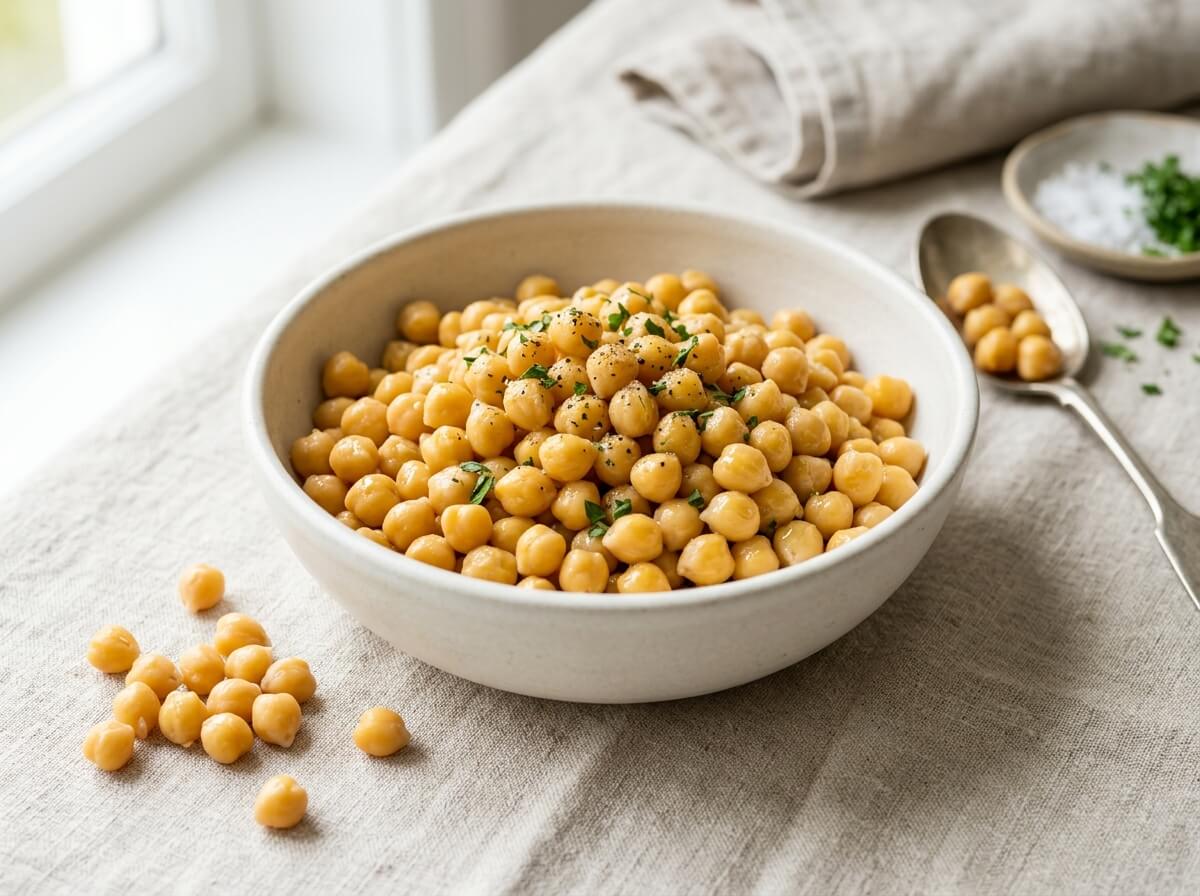
| Refined Grain Flour Pasta | Lentils or Chickpea Rotini | Resistant Starch, Isoflavones | Colonic butyrate generation suppresses systemic lipopolysaccharide (LPS) leakage |
When you taste a high-quality extra virgin olive oil, you experience a distinctive peppery sting or tickle at the back of your throat. That sensation is caused by oleocanthal binding specifically to the TRPA1 ion channel located on sensory nerve fibers in the pharynx. Remarkably, the non-steroidal anti-inflammatory drug ibuprofen produces the exact same stinging pharyngeal sensation by binding to the identical receptor. Research published in Nature demonstrated that 50 ml of premium cold-extracted EVOO exerts anti-inflammatory biochemical potency equivalent to approximately 10% of an adult ibuprofen dose, providing continuous low-dose cardiovascular protection without gastrointestinal toxicity.
The Piperine Synergy: Unlocking Curcumin Bioavailability
Curcumin (the yellow polyphenol extracted from turmeric rhizome) is one of the most extensively studied natural anti-inflammatory compounds. However, raw turmeric powder suffers from virtually zero oral bioavailability because hepatic and intestinal glucuronidation rapidly conjugates curcumin into water-soluble metabolites that are cleared via bile within minutes.
By pairing turmeric with a pinch of freshly ground black pepper, the alkaloid piperine selectively inhibits intestinal glucuronidation enzymes (UDP-glucuronosyltransferase). Clinical pharmacokinetic trials show this simple kitchen pairing boosts systemic human curcumin bioavailability by 2,000% (a 20-fold increase).