Raw · fruits
Guava
228 mg/ 100g
68 kcal
Why this result?
Guava provides approximately 17462% more vitamin c per 100 g (228 mg vs 1.3 mg in Walnuts (English, Halves)).
Walnuts / Akhrot
Juglans regia
Tree nut uniquely rich in plant-derived alpha-linolenic acid (ALA omega-3), copper, polyphenols, and neuroprotective compounds.
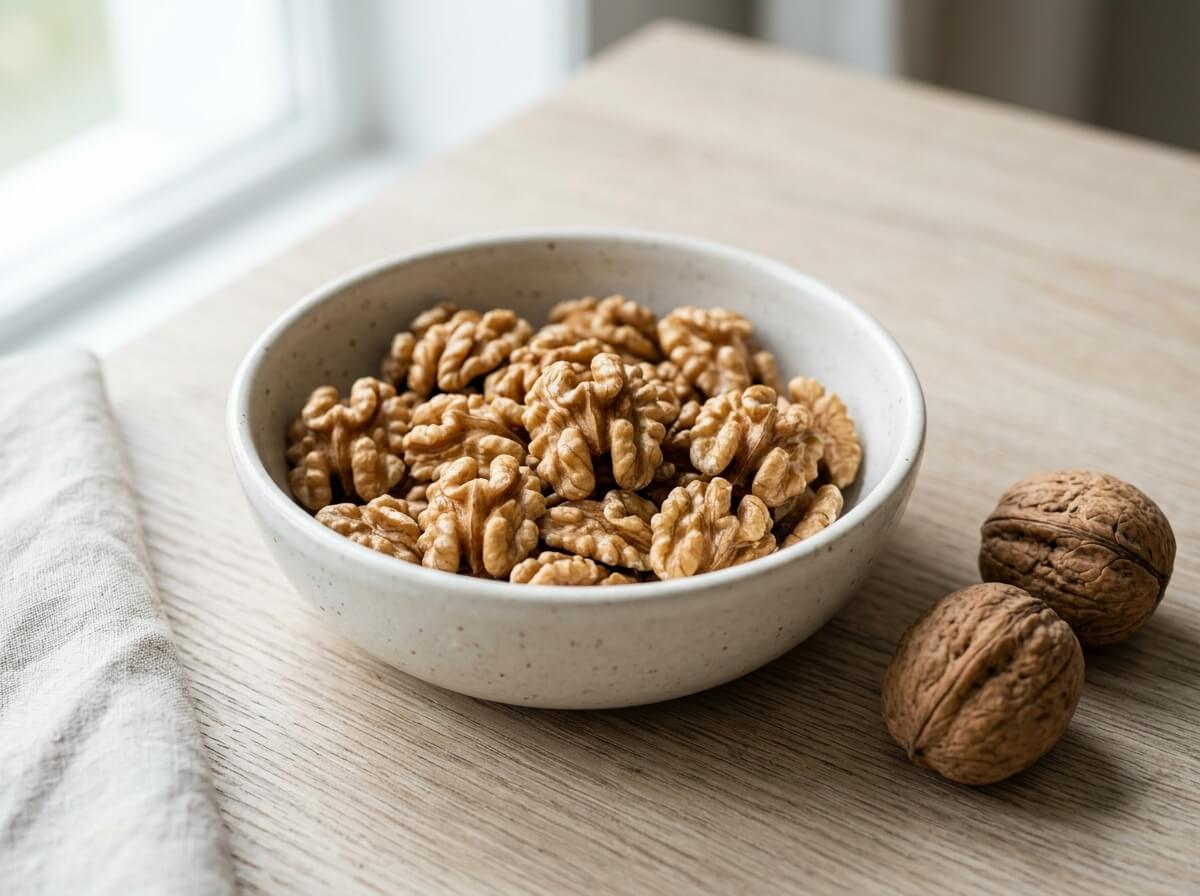
Key vitamins and minerals meeting high percentages of daily recommended intake
Discover ranked food alternatives to Walnuts (English, Halves) based on protein, fiber, or vitamins.
Guava provides approximately 17462% more vitamin c per 100 g (228 mg vs 1.3 mg in Walnuts (English, Halves)).
Orange provides approximately 3992% more vitamin c per 100 g (53.2 mg vs 1.3 mg in Walnuts (English, Halves)).
Banana provides approximately 569% more vitamin c per 100 g (8.7 mg vs 1.3 mg in Walnuts (English, Halves)).
Sweet Potato (Baked/Cooked) provides approximately 1408% more vitamin c per 100 g (19.6 mg vs 1.3 mg in Walnuts (English, Halves)).
Side-by-side nutrient differences with other common nuts seeds
VS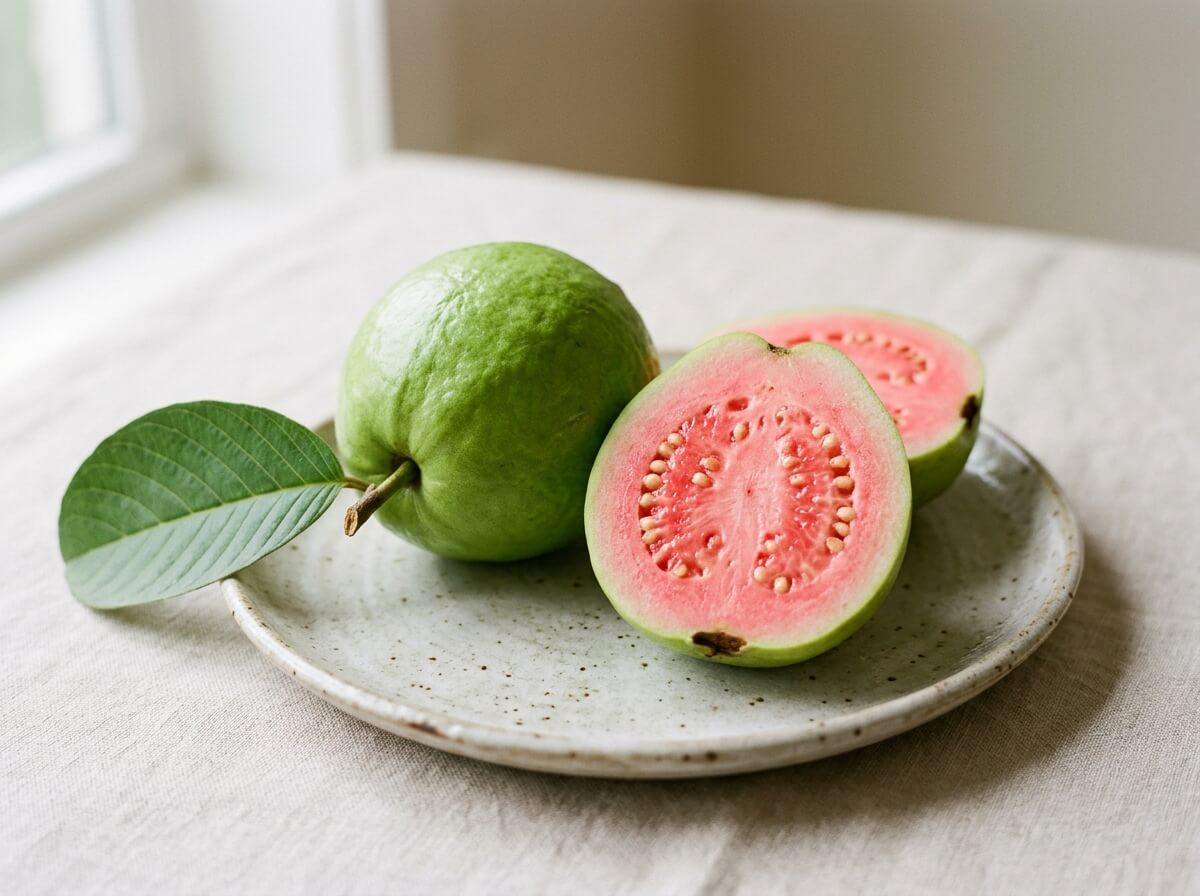 VS
VS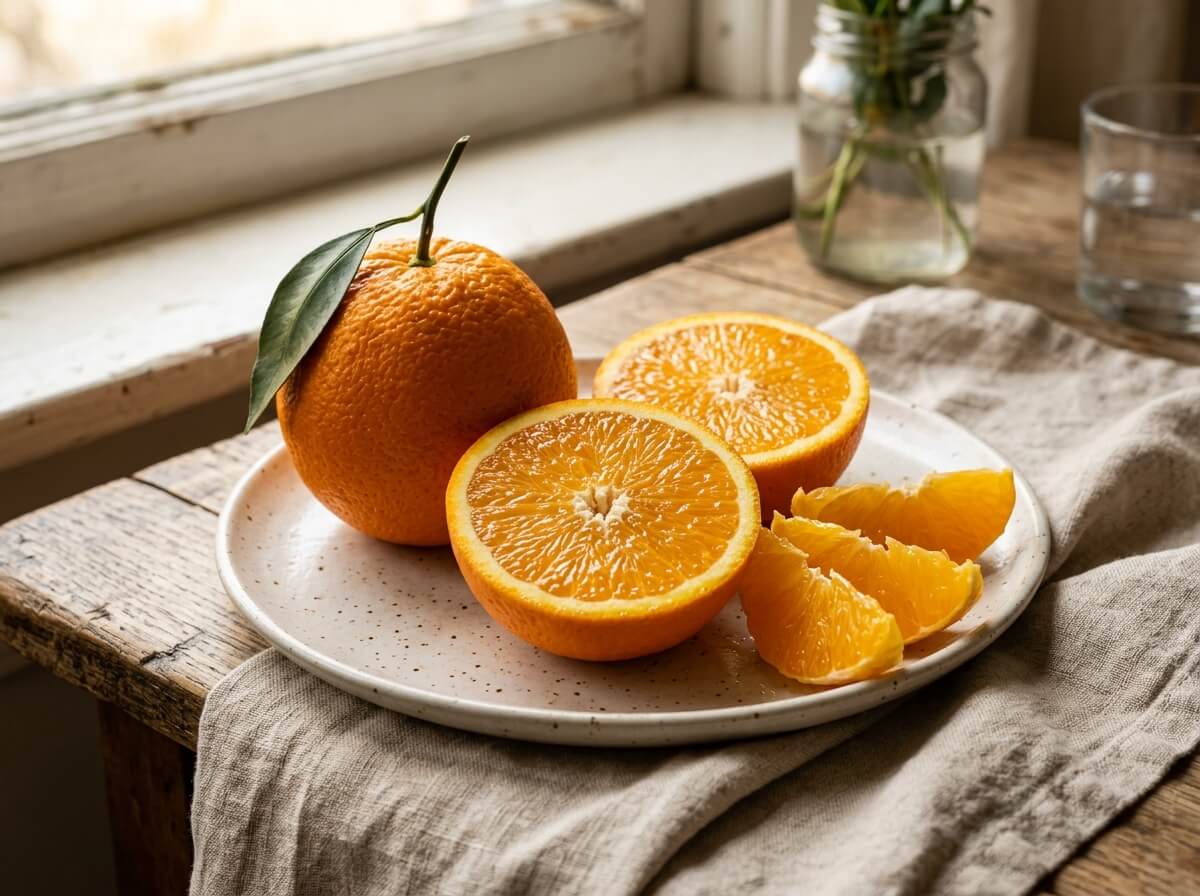 VS
VS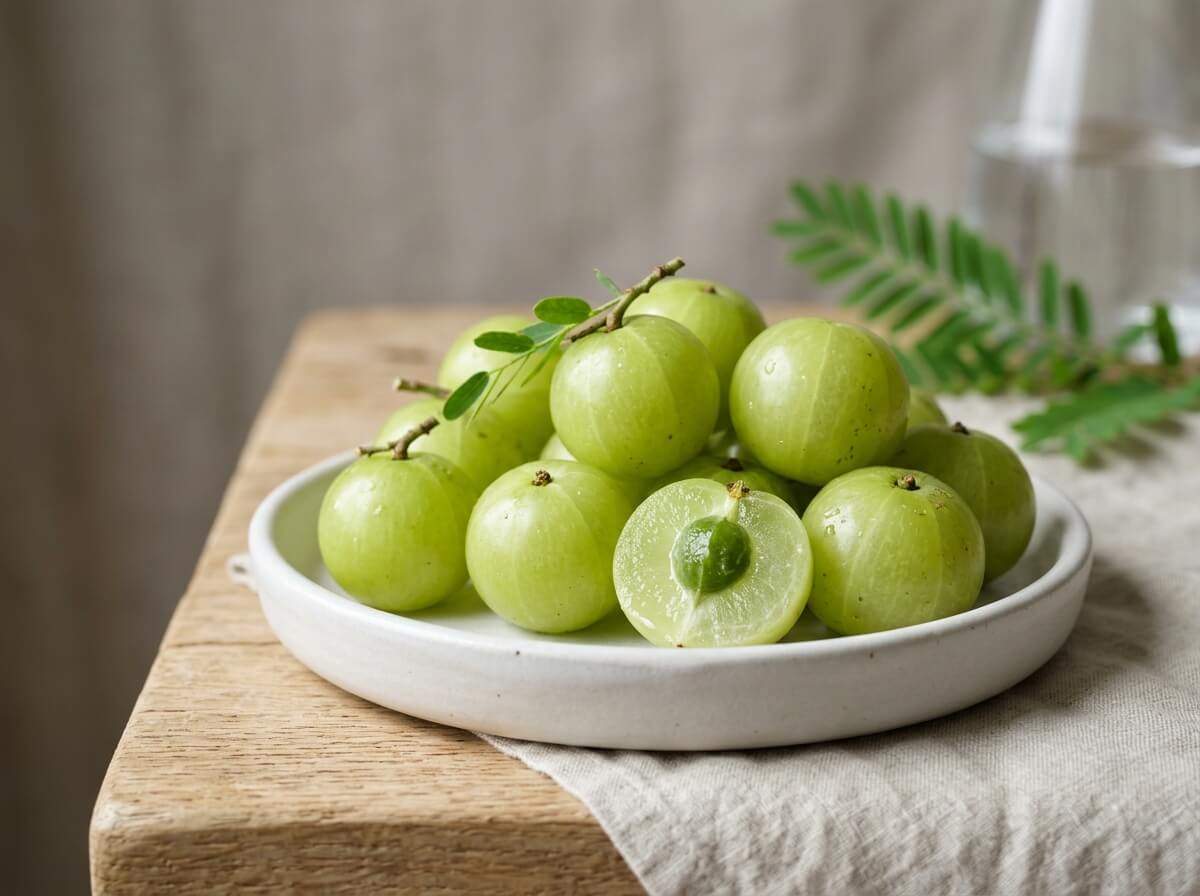 VS
VS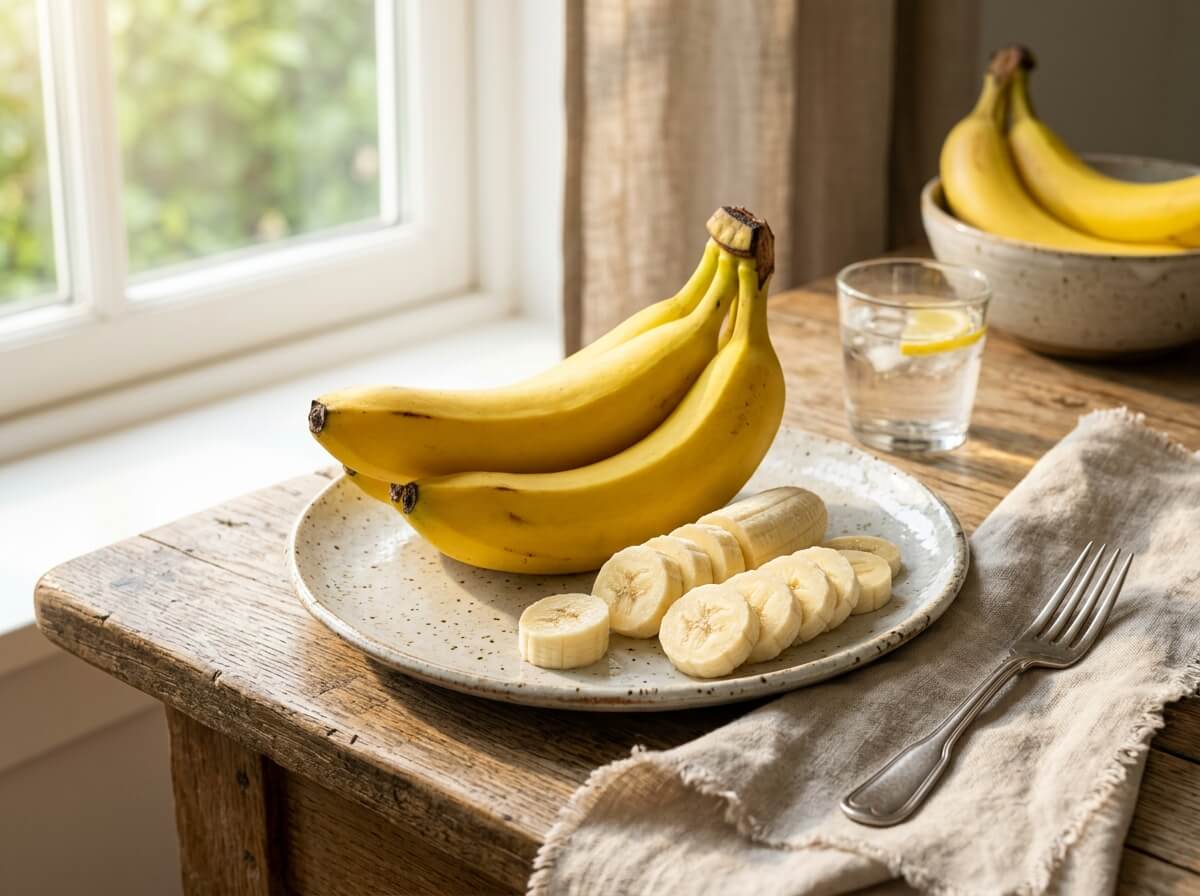 VS
VS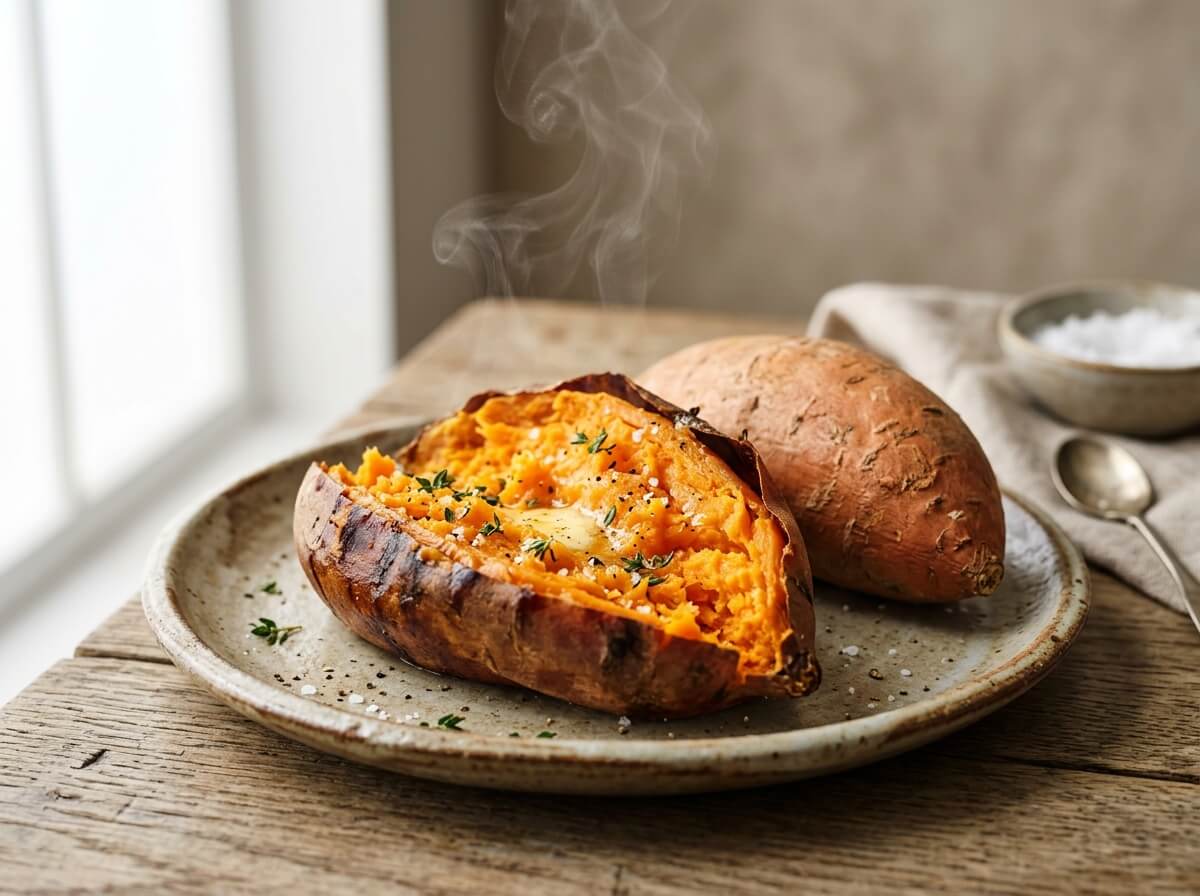 VS
VS
Laboratory assayed values from published composition records
Per 100g Edible Portion
| Macronutrients | Amount | % Daily Value* |
|---|---|---|
| Calories (Energy) | 654kcal | |
| Protein | 15.2g | |
| Carbohydrates | 13.7g | |
| Dietary Fiber | 6.7g | |
| Total Fat | 65.2g | |
| Saturated Fat | 6.1g | |
| Total Sugars | 2.6g | |
| Sodium | 2.0mg |
| Vitamins | Amount | % Daily Value* |
|---|---|---|
Vitamin CAscorbic Acid | 1.3mg | |
Vitamin A (RAE)Retinol & Carotenoids | 1.0µg | |
Vitamin DCholecalciferol / Ergocalciferol | - | - |
Vitamin EAlpha-tocopherol | 0.70mg | |
Vitamin KPhylloquinone & Menaquinones | 2.7µg | |
Folate (DFE)Vitamin B9 | 98µg | |
| 0.34mg | ||
| 0.15mg | ||
| 1.1mg | ||
| 0.57mg | ||
Vitamin B6Pyridoxal 5-phosphate | 0.54mg | |
Vitamin B12Cobalamin | 0µg |
Expert-verified answers to common nutritional and dietary questions
A 100-gram serving of Walnuts (English, Halves) contains 654 calories, 13.7g of total carbohydrates, and 6.7g of dietary fiber (yielding approx. 7.0g net carbs). By portion: 100 g contains approximately 654 calories; 1 oz / 14 halves (28 g) contains approximately 183 calories; 1 cup halves (117 g) contains approximately 765 calories.
Walnuts (English, Halves) is particularly high in Magnesium (38% Daily Value), Vitamin B6 (32% Daily Value), Phosphorus (28% Daily Value), Zinc (28% Daily Value). Tree nut uniquely rich in plant-derived alpha-linolenic acid (ALA omega-3), copper, polyphenols, and neuroprotective compounds.
Popular and nutritionally verified alternatives to Walnuts (English, Halves) include Guava, Orange, Amla (Indian Gooseberry). You can explore customized swaps ranked by protein, fiber, or vitamins using our smart replacement tool.
Walnuts (English, Halves) is naturally vegan, vegetarian, gluten free, dairy free, high fiber, low carb. With 654 calories and 6.7g of fiber per 100g, it fits well into healthy balanced, plant-based, and calorie-conscious meal plans.
Values reflect assayed composite laboratory samples from published public food tables. Naturally occurring nutrients vary by harvest variety and culinary preparation.