Executive Summary
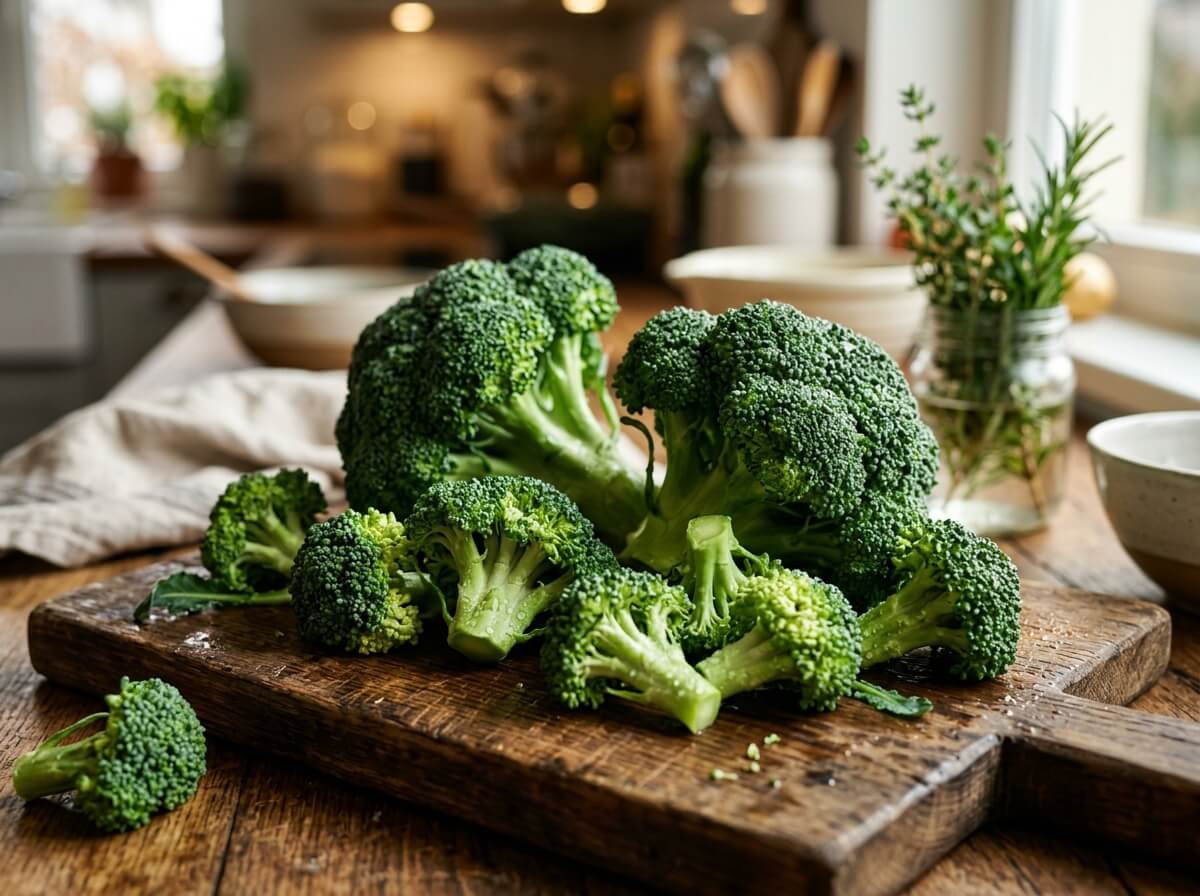
The total milligrams of calcium printed on a food label can be deeply misleading. What matters to skeletal health is bioavailable absorbable calcium. While cow's milk delivers approximately 32% fractional absorption (~96 mg absorbed per 100 kcal serving), low-oxalate green vegetables like bok choy (54% absorption), kale (49% absorption), and broccoli (61% absorption) deliver higher fractional bioavailability. Conversely, high-oxalate greens like spinach trap over 94% of their calcium in insoluble crystals.
Fractional Calcium Absorption Compared Across Whole Foods
| Food Item | Serving Size | Total Calcium (mg) | Fractional Absorption (%) | Net Absorbable Calcium (mg) |
|---|---|---|---|---|
| Bok Choy (Cooked) | 1 cup (170 g) | 158 mg | 53.8% | 85.0 mg |
| Broccoli (Cooked) | 1 cup (156 g) | 62 mg | 61.3% | 38.0 mg |
| Kale (Cooked) | 1 cup (130 g) | 94 mg | 49.3% | 46.3 mg |
| Whole Cow's Milk | 1 cup (244 g) | 300 mg | 32.1% | 96.3 mg |
| Fortified Soy Milk | 1 cup (240 g) | 300 mg | 31.0% | 93.0 mg |
| Firm Tofu (Calcium-Set) | 1/2 cup (126 g) | 253 mg | 31.0% | 78.4 mg |
| Cooked Spinach | 1 cup (180 g) | 245 mg | 5.1% | 12.5 mg |
Consuming high doses of isolated calcium without its co-factors is biologically futile and potentially hazardous for cardiovascular health:
- Vitamin D3 (Cholecalciferol): Binds to enterocyte vitamin D receptors (VDR), up-regulating the synthesis of calbindin-D9k and the TRPV6 epithelial calcium channel. Without adequate D3 (serum 25(OH)D > 30 ng/mL), intestinal calcium absorption drops to under 10%–15%.
- Vitamin K2 (Menaquinone-7): Activates osteocalcin (which binds calcium into the hydroxyapatite bone crystal matrix) and Matrix Gla Protein (MGP) (which actively prevents calcium from precipitating into arterial walls and soft tissues). High calcium intake without K2 is associated with increased coronary artery calcification.
- Magnesium: Required by the parathyroid gland to release parathyroid hormone (PTH) and convert inactive vitamin D into active 1,25-dihydroxyvitamin D3.
The Oxalate Paradox in Green Vegetables
Plants synthesize oxalic acid as a biochemical defense mechanism against herbivores. In high-oxalate plants like spinach, Swiss chard, and beet greens, soluble oxalate readily complexes with ionized calcium (Ca2+) to create insoluble calcium oxalate precipitate in the digestive tract. Because the human small intestine lacks transport channels for precipitated calcium oxalate, it passes directly into the colon unabsorbed.
In contrast, cruciferous vegetables of the Brassica genus (bok choy, kale, turnip greens, broccoli, collards, and watercress) produce almost zero oxalates. As a result, the calcium in these vegetables remains freely ionizable in gastric acid, achieving fractional absorption rates that actually surpass cow's milk.
- Read the tofu ingredient label: Tofu set with calcium sulfate contains roughly 280–350 mg of calcium per 100 g portion. Tofu set with magnesium chloride (nigari) is rich in magnesium but contains only ~50 mg of calcium.
- Shake your plant milk cartons: Calcium carbonate and tricalcium phosphate added to fortified soy, almond, or oat milks are heavy mineral suspensions that naturally settle to the bottom of the carton. If you don't shake the carton vigorously before every pour, the calcium remains at the bottom, leaving your drink calcium-deficient.