Micronutrientes··Actualizado ·11 min read

The Calcium Absorption Paradox: Dairy vs Cruciferous Vegetables & Oxalate Chemistry

Why fractional absorption rates matter more than milligrams: comparing milk, fortified soy, bok choy, kale, and the bone-matrix triad.

Sarah Lin, MPH, RDN
Nutricionista de Salud Pública y Epidemióloga
Medically Reviewed: Dr. Elena Rostova, PhD, RD
Data Source: USDA FoodData Central & Clinical Trials
Standard: Evidence-Based · Fact-Checked
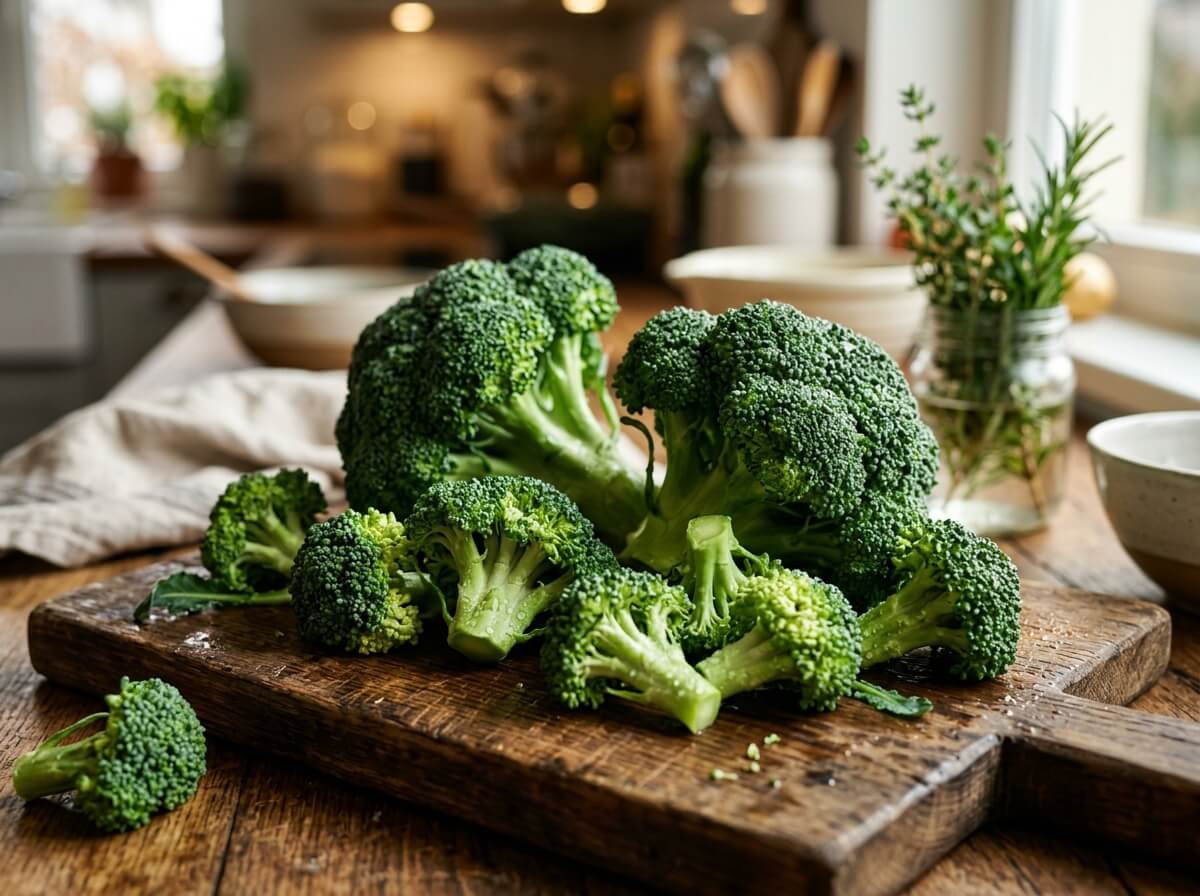
Broccoli, bok choy, and calcium-dense cruciferous vegetables compared to dairy
Cruciferous vegetables like bok choy and broccoli boast higher fractional calcium absorption rates than cow's milk.
Clinical & Educational Disclaimer: This article is authored for scientific and evidence-based nutritional education. Data points are calibrated from USDA FoodData Central analytical laboratory measurements and peer-reviewed clinical publications. This content does not constitute medical advice or personalized nutritional therapy. Consult a physician or registered dietitian before undertaking major dietary protocols.

Puntos Clave

  • Fractional calcium absorption varies dramatically: cow's milk yields ~32% absorption, fortified soy milk yields ~31%, but low-oxalate cruciferous vegetables (bok choy, broccoli, kale) achieve 50% to 61% absorption.
  • Raw spinach is an exceptionally poor calcium source: its 99 mg of calcium per 100 g has a fractional absorption rate of just 5.1% due to oxalate chelation.
  • Bone mineral density is not governed by calcium alone: optimal skeletal health requires the synergistic triad of Calcium + Vitamin D3 (for enterocyte TRPV6 uptake) + Vitamin K2 (for osteocalcin activation).
  • Fortified plant milks (with calcium carbonate or tricalcium phosphate) match cow's milk in fractional bioavailability, provided the carton is shaken vigorously before pouring to resuspend settled minerals.
  • Excessive dietary sodium accelerates urinary calcium excretion (calciuria), stripping approximately 40 mg of calcium for every 2,300 mg of sodium cleared by the kidneys.

Executive Summary

The total milligrams of calcium printed on a food label can be deeply misleading. What matters to skeletal health is bioavailable absorbable calcium. While cow's milk delivers approximately 32% fractional absorption (~96 mg absorbed per 100 kcal serving), low-oxalate green vegetables like bok choy (54% absorption), kale (49% absorption), and broccoli (61% absorption) deliver higher fractional bioavailability. Conversely, high-oxalate greens like spinach trap over 94% of their calcium in insoluble crystals.

Fractional Calcium Absorption Compared Across Whole Foods

Food Item Serving Size Total Calcium (mg) Fractional Absorption (%) Net Absorbable Calcium (mg)
Bok Choy (Cooked) 1 cup (170 g) 158 mg 53.8% 85.0 mg
Broccoli (Cooked) 1 cup (156 g) 62 mg 61.3% 38.0 mg
Kale (Cooked) 1 cup (130 g) 94 mg 49.3% 46.3 mg
Whole Cow's Milk 1 cup (244 g) 300 mg 32.1% 96.3 mg
Fortified Soy Milk 1 cup (240 g) 300 mg 31.0% 93.0 mg
Firm Tofu (Calcium-Set) 1/2 cup (126 g) 253 mg 31.0% 78.4 mg
Cooked Spinach 1 cup (180 g) 245 mg 5.1% 12.5 mg
The Skeletal Triad: Calcium, Vitamin D3, and Vitamin K2 Synergy

Consuming high doses of isolated calcium without its co-factors is biologically futile and potentially hazardous for cardiovascular health:

  • Vitamin D3 (Cholecalciferol): Binds to enterocyte vitamin D receptors (VDR), up-regulating the synthesis of calbindin-D9k and the TRPV6 epithelial calcium channel. Without adequate D3 (serum 25(OH)D > 30 ng/mL), intestinal calcium absorption drops to under 10%–15%.
  • Vitamin K2 (Menaquinone-7): Activates osteocalcin (which binds calcium into the hydroxyapatite bone crystal matrix) and Matrix Gla Protein (MGP) (which actively prevents calcium from precipitating into arterial walls and soft tissues). High calcium intake without K2 is associated with increased coronary artery calcification.
  • Magnesium: Required by the parathyroid gland to release parathyroid hormone (PTH) and convert inactive vitamin D into active 1,25-dihydroxyvitamin D3.

The Oxalate Paradox in Green Vegetables

Plants synthesize oxalic acid as a biochemical defense mechanism against herbivores. In high-oxalate plants like spinach, Swiss chard, and beet greens, soluble oxalate readily complexes with ionized calcium (Ca2+) to create insoluble calcium oxalate precipitate in the digestive tract. Because the human small intestine lacks transport channels for precipitated calcium oxalate, it passes directly into the colon unabsorbed.

In contrast, cruciferous vegetables of the Brassica genus (bok choy, kale, turnip greens, broccoli, collards, and watercress) produce almost zero oxalates. As a result, the calcium in these vegetables remains freely ionizable in gastric acid, achieving fractional absorption rates that actually surpass cow's milk.

Kitchen Strategy: Calcium-Set Tofu & Plant Milk Habits
  • Read the tofu ingredient label: Tofu set with calcium sulfate contains roughly 280–350 mg of calcium per 100 g portion. Tofu set with magnesium chloride (nigari) is rich in magnesium but contains only ~50 mg of calcium.
  • Shake your plant milk cartons: Calcium carbonate and tricalcium phosphate added to fortified soy, almond, or oat milks are heavy mineral suspensions that naturally settle to the bottom of the carton. If you don't shake the carton vigorously before every pour, the calcium remains at the bottom, leaving your drink calcium-deficient.
Find High-Calcium Foods on FoodAlt

Rank and filter foods by bioavailable calcium per 100 grams or per calorie across dairy, cruciferous vegetables, and fortified foods.

Preguntas Frecuentes

How much calcium do adults need daily?

The Recommended Dietary Allowance (RDA) for adult men and women aged 19–50 is 1,000 mg per day. For women over 50 and men over 70, the recommendation increases to 1,200 mg per day to compensate for age-related bone mineral density loss and decreased intestinal absorption efficiency.

Can you get enough calcium on a 100% vegan diet without supplements?

Yes, easily. Consuming 2 cups of fortified plant milk (600 mg), 150 g of calcium-set tofu (420 mg), and a cup of cooked bok choy or kale (100–150 mg) comfortably exceeds 1,100 mg of daily bioavailable calcium.

Does dietary protein leach calcium from bones (the acid-ash hypothesis)?

Modern clinical trials have thoroughly refuted the 1980s "acid-ash" hypothesis. While dietary protein does slightly increase urinary calcium excretion, it simultaneously increases intestinal calcium absorption and stimulates insulin-like growth factor 1 (IGF-1), leading to a net positive effect on bone mineral density.

Fuentes y Metodología

Data compiled from peer-reviewed dual-isotope calcium tracer trials and USDA FoodData Central nutritional composition datasets.

Compara más alimentos en FoodAlt

FoodAlt te ayuda a comparar alimentos, explorar alternativas útiles y comprender la nutrición fácilmente.

#Calcium#Bone Health#Dairy#Vegan#Cruciferous#Micronutrients#Food Swaps

Explorar Más Comparaciones de Alimentos

Ver todos los artículos