Raw · fruits
Amla (Indian Gooseberry)
478 mg/ 100g
44 kcal
Why this result?
Amla (Indian Gooseberry) provides approximately 436% more vitamin c per 100 g (478 mg vs 89.2 mg in Broccoli (Raw)).
Calabrese Broccoli
Brassica oleracea var. italica
A cruciferous vegetable rich in sulforaphane precursors, vitamin C (89 mg/100g), vitamin K, folate, and insoluble dietary fiber.
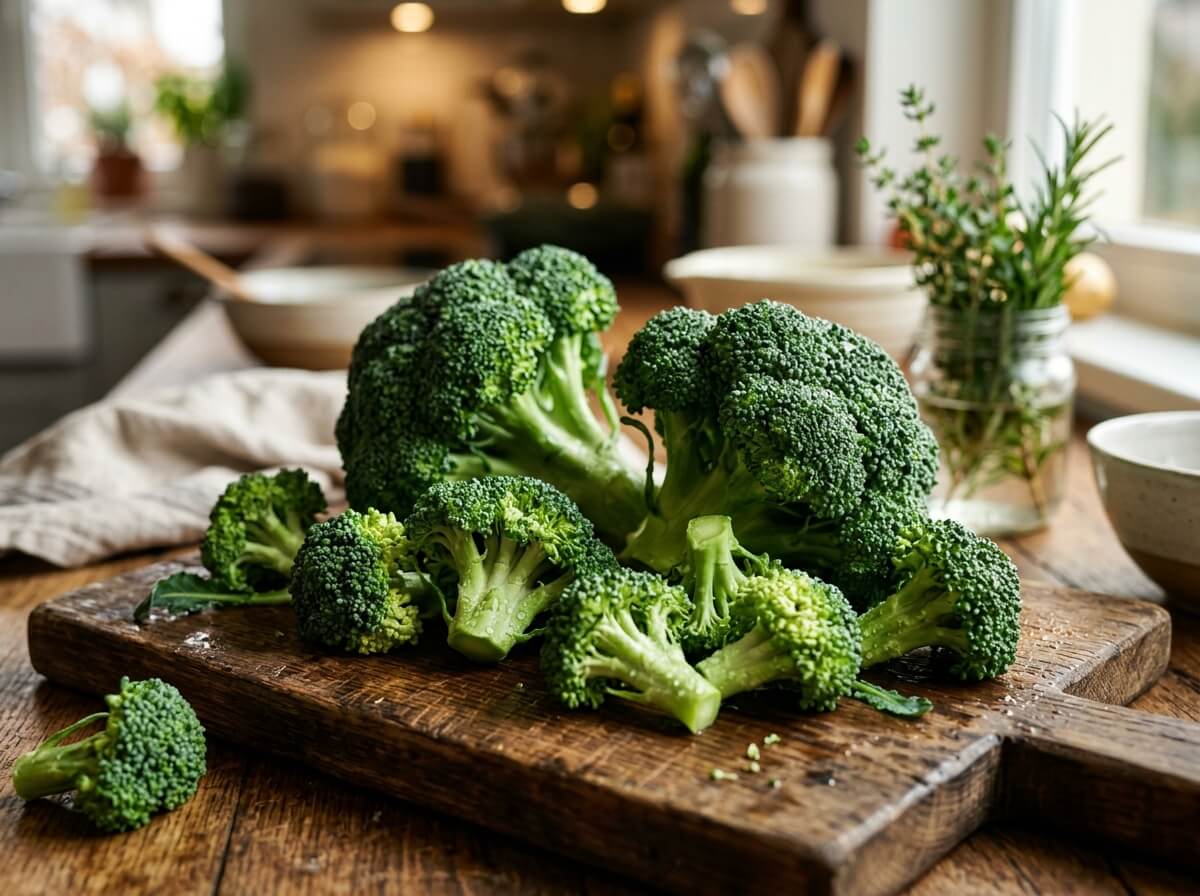
Key vitamins and minerals meeting high percentages of daily recommended intake
Discover ranked food alternatives to Broccoli (Raw) based on protein, fiber, or vitamins.
Amla (Indian Gooseberry) provides approximately 436% more vitamin c per 100 g (478 mg vs 89.2 mg in Broccoli (Raw)).
Guava provides approximately 156% more vitamin c per 100 g (228 mg vs 89.2 mg in Broccoli (Raw)).
Red Bell Pepper provides approximately 43% more vitamin c per 100 g (128 mg vs 89.2 mg in Broccoli (Raw)).
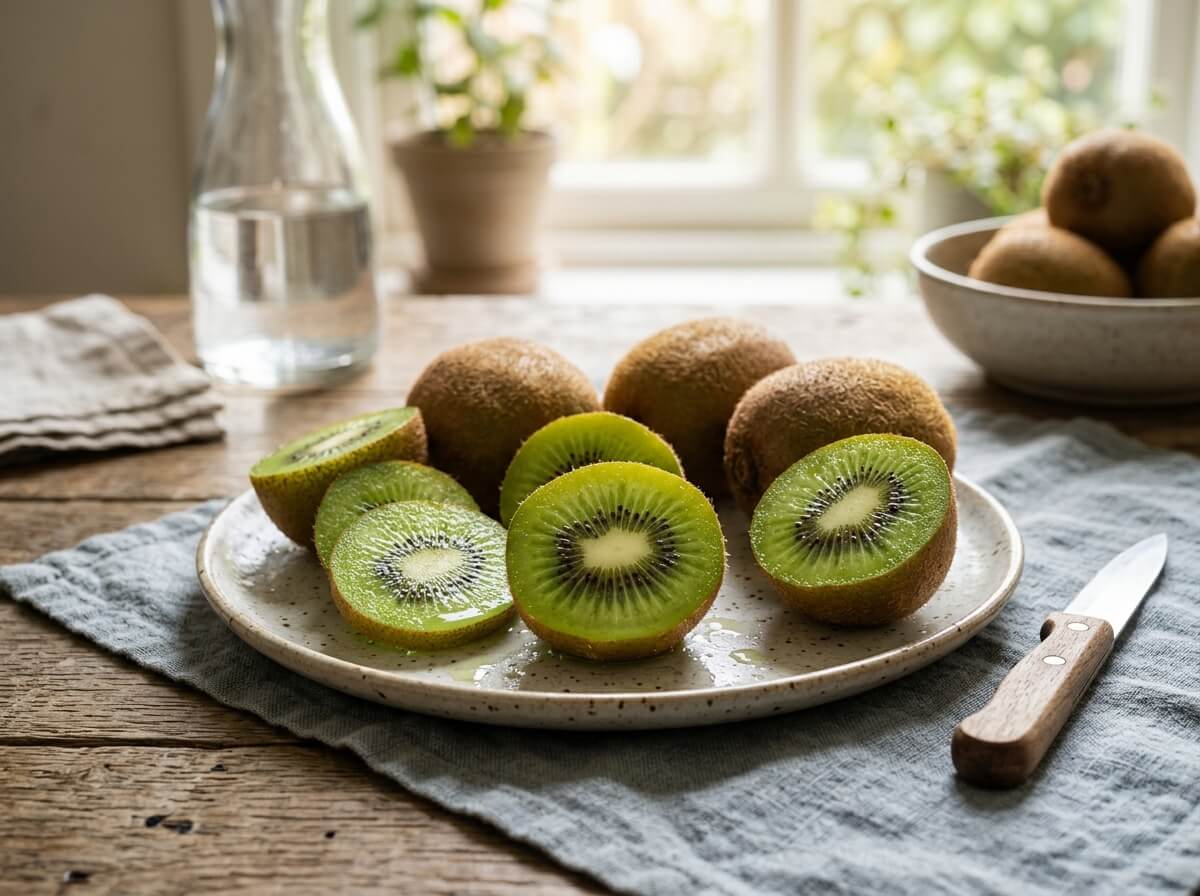
Kiwi (Kiwifruit) provides approximately 4% more vitamin c per 100 g (92.7 mg vs 89.2 mg in Broccoli (Raw)).
Side-by-side nutrient differences with other common vegetables
VS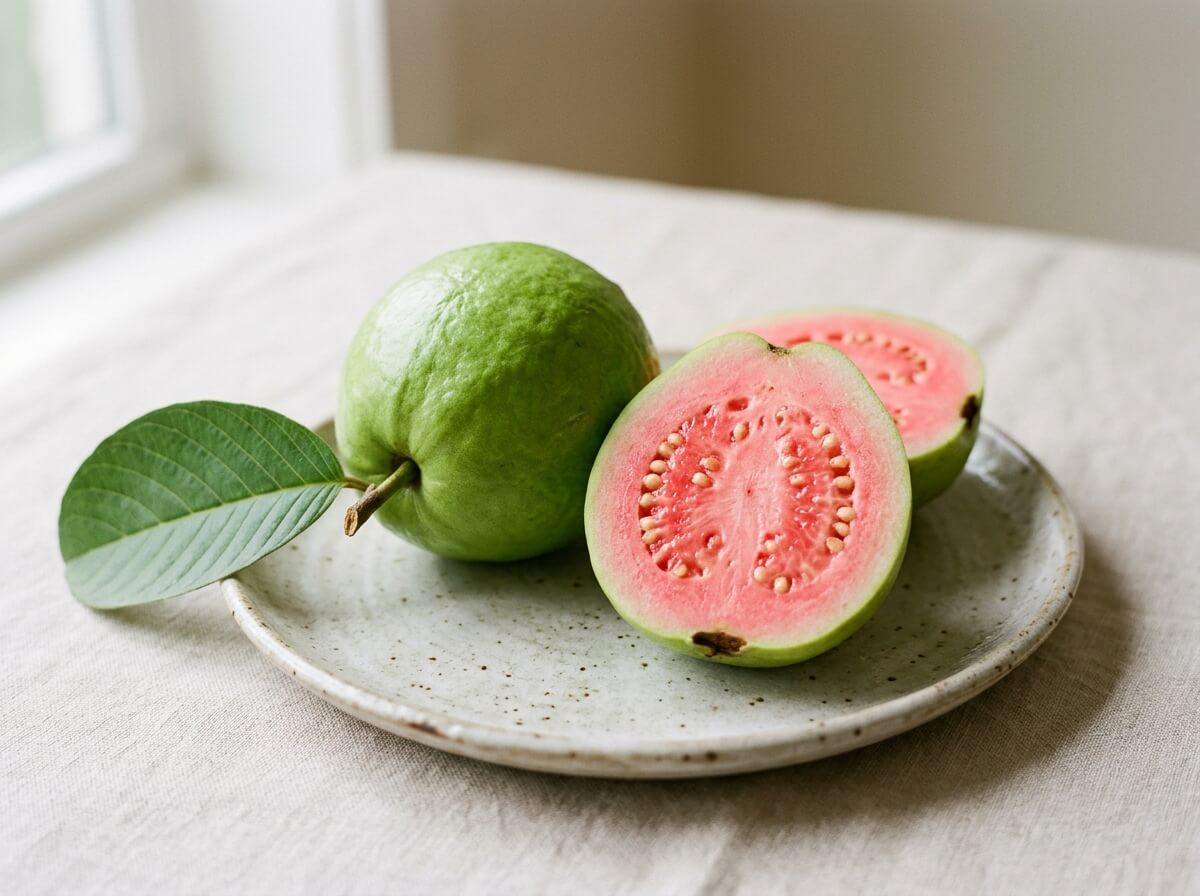 VS
VS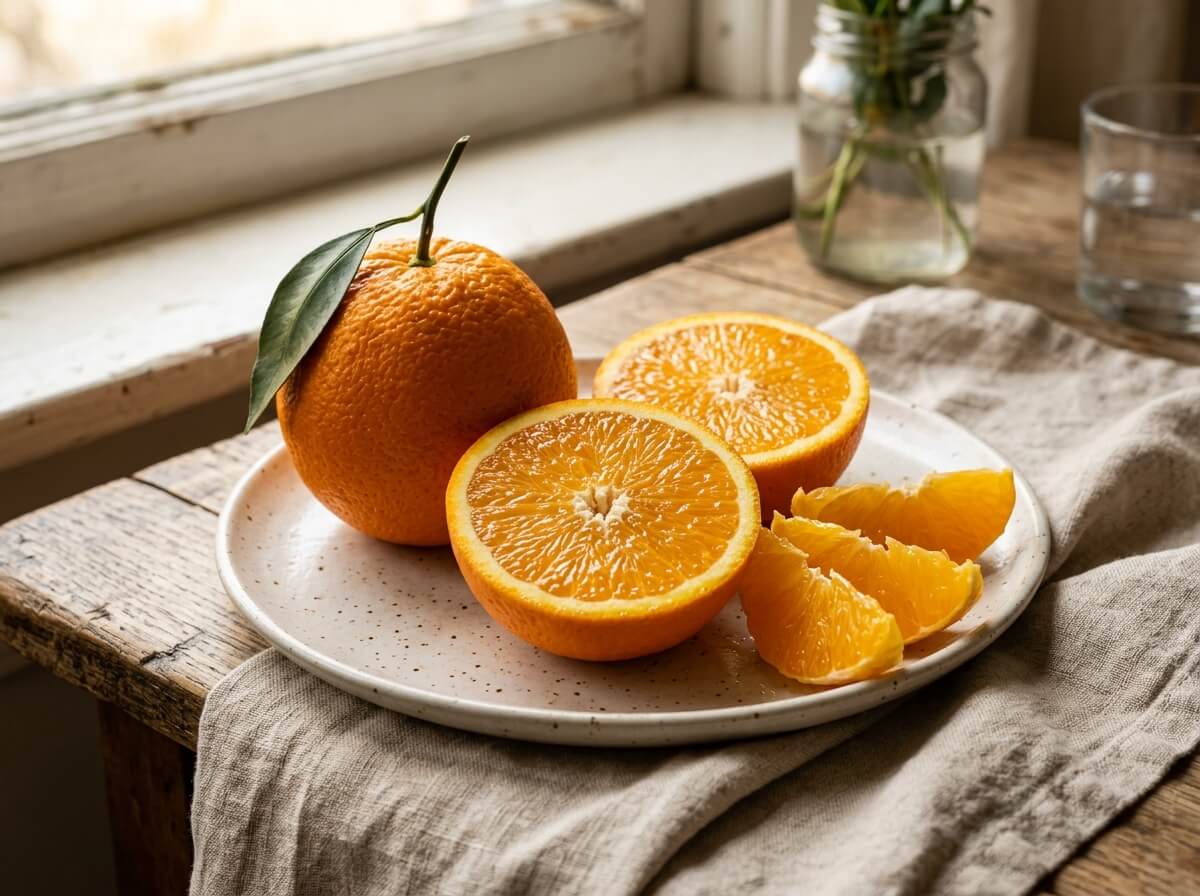 VS
VS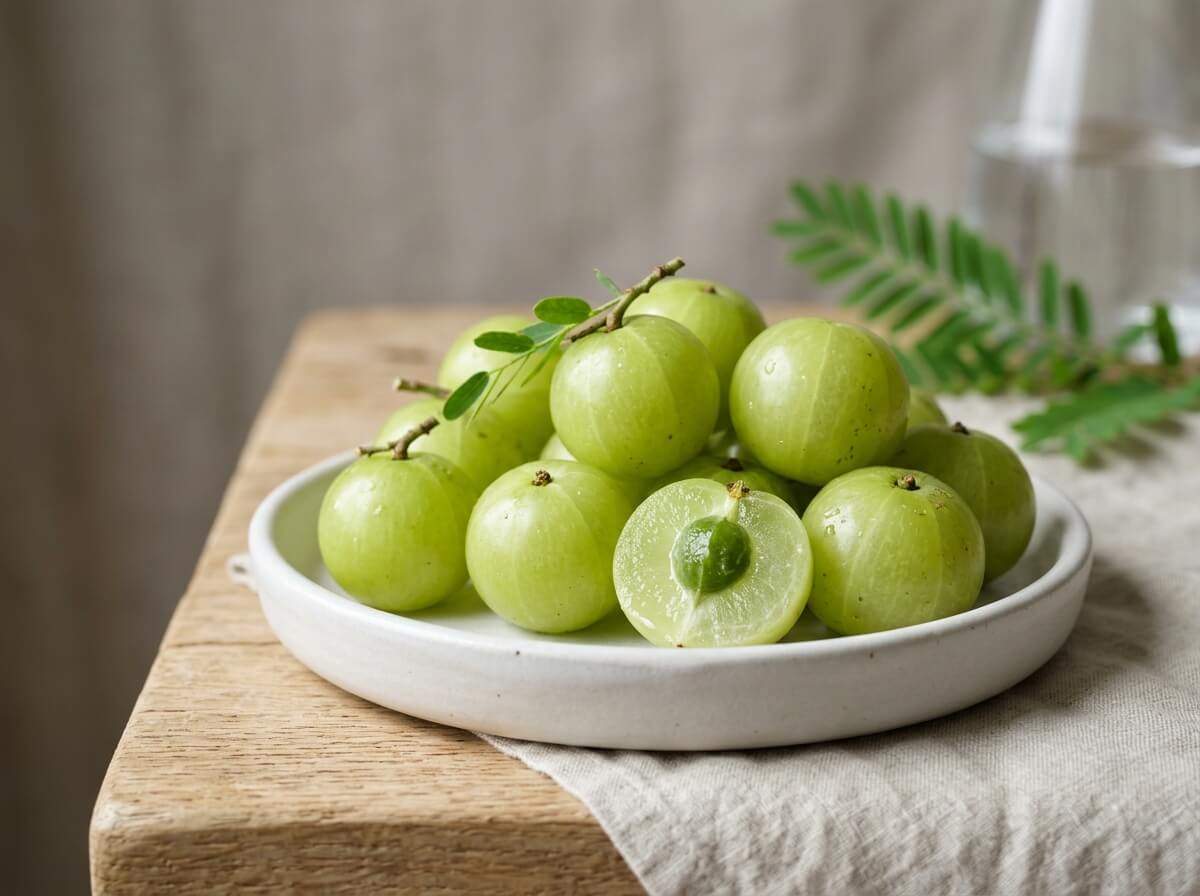 VS
VS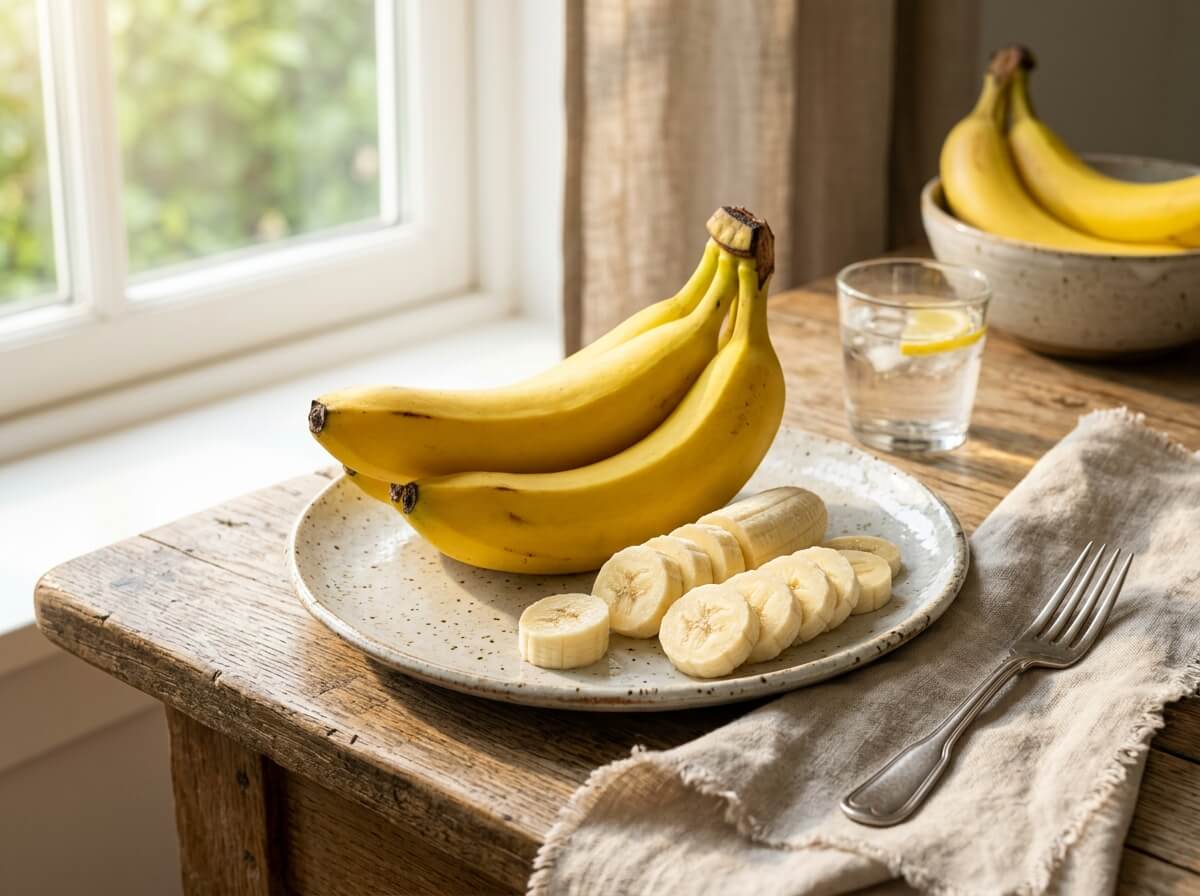 VS
VS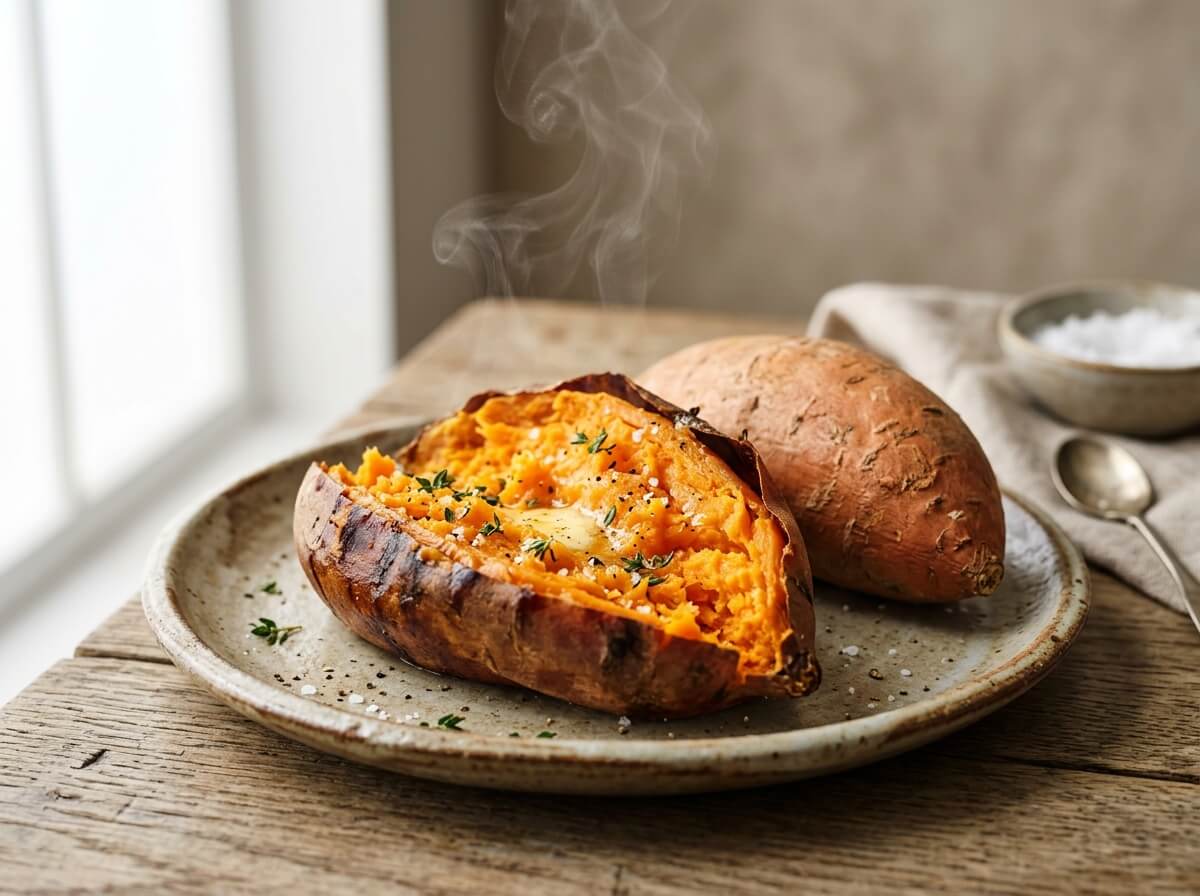 VS
VS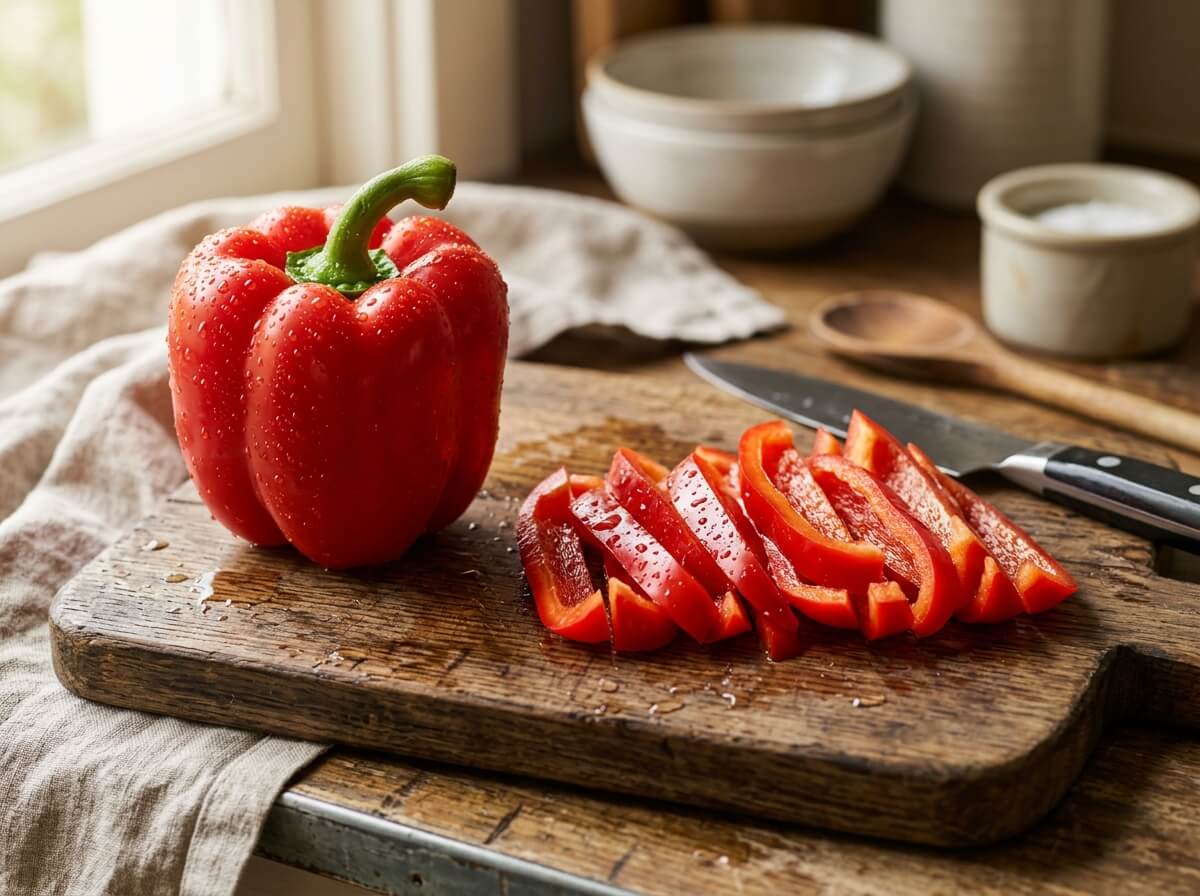
Laboratory assayed values from published composition records
Per 100g Edible Portion
| Macronutrients | Amount | % Daily Value* |
|---|---|---|
| Calories (Energy) | 34kcal | |
| Protein | 2.8g | |
| Carbohydrates | 6.6g | |
| Dietary Fiber | 2.6g | |
| Total Fat | 0.37g | |
| Saturated Fat | 0.04g | |
| Total Sugars | 1.7g | |
| Sodium | 33.0mg |
| Vitamins | Amount | % Daily Value* |
|---|---|---|
Vitamin CAscorbic Acid | 89.2mg | |
Vitamin A (RAE)Retinol & Carotenoids | 31µg | |
Vitamin DCholecalciferol / Ergocalciferol | - | - |
Vitamin EAlpha-tocopherol | 0.78mg | |
Vitamin KPhylloquinone & Menaquinones | 102µg | |
Folate (DFE)Vitamin B9 | 63µg | |
| 0.07mg | ||
| 0.12mg | ||
| 0.64mg | ||
| 0.57mg | ||
Vitamin B6Pyridoxal 5-phosphate | 0.18mg | |
Vitamin B12Cobalamin | 0µg |
Expert-verified answers to common nutritional and dietary questions
A 100-gram serving of Broccoli (Raw) contains 34 calories, 6.6g of total carbohydrates, and 2.6g of dietary fiber (yielding approx. 4.0g net carbs). By portion: 100 g contains approximately 34 calories; 1 cup chopped florets (91 g) contains approximately 31 calories; 1 medium stalk (151 g) contains approximately 51 calories.
Broccoli (Raw) is particularly high in Vitamin C (99% Daily Value), Vitamin K (85% Daily Value), Folate (DFE) (16% Daily Value), Pantothenic Acid (B5) (11% Daily Value). A cruciferous vegetable rich in sulforaphane precursors, vitamin C (89 mg/100g), vitamin K, folate, and insoluble dietary fiber.
Popular and nutritionally verified alternatives to Broccoli (Raw) include Guava, Orange, Amla (Indian Gooseberry). You can explore customized swaps ranked by protein, fiber, or vitamins using our smart replacement tool.
Broccoli (Raw) is naturally vegan, vegetarian, gluten free, dairy free, low carb, high fiber. With 34 calories and 2.6g of fiber per 100g, it fits well into healthy balanced, plant-based, and calorie-conscious meal plans.
Raw broccoli contains 2.6 grams of dietary fiber per 100 grams (approx. 9% of the Daily Value). A standard 1-cup serving of chopped florets (91g) provides 2.4 grams of fiber, while 1 cup of cooked broccoli (156g) delivers 5.1 grams of fiber. Broccoli offers a balanced mix of soluble fiber (which supports healthy cholesterol and blood sugar levels) and insoluble fiber (which promotes digestive regularity).
Yes, broccoli is an exceptional, low-calorie source of dietary fiber. At only 34 calories per 100g, it provides 2.6g of fiber, meaning that over 39% of its total carbohydrates come directly from dietary fiber. This makes it one of the most fiber-dense cruciferous vegetables available.
Yes, eating broccoli daily is safe and highly beneficial for most healthy adults. A daily serving of 1 to 2 cups delivers essential antioxidants like sulforaphane, over 100% of your daily Vitamin C, and vital Vitamin K. If you are not used to high-fiber diets, increase your intake gradually to prevent mild bloating. Note: individuals on blood thinners (such as Warfarin) should keep their daily Vitamin K intake consistent.
Yes! Cooking does not degrade or destroy dietary fiber. In fact, because broccoli loses water and condenses when steamed or boiled, 1 cup of cooked broccoli (156g) provides approximately 5.1 grams of fiber—more than double the fiber in a cup of raw florets. Light steaming retains fiber integrity while keeping heat-sensitive micronutrients intact.
Athletes and bodybuilders frequently eat broccoli because it is extremely nutrient-dense and calorie-sparse (34 kcal/100g). It delivers potassium to support electrolyte balance and muscle contractions, calcium and Vitamin K for bone density, Vitamin C to aid collagen synthesis and soft-tissue recovery, and anti-inflammatory sulforaphane to help counter exercise-induced oxidative stress.
Both raw and cooked broccoli offer unique nutritional advantages. Raw broccoli preserves heat-sensitive Vitamin C and keeps the active myrosinase enzyme intact for maximum sulforaphane conversion. Lightly steamed broccoli (3 to 4 minutes) softens plant cell walls, improves the bioavailability of carotenoids (lutein and beta-carotene), makes fiber easier on digestion, and deactivates goitrogenic compounds without significant nutrient leaching.
Yes, broccoli is widely recognized as a nutritional superfood. It provides extraordinarily high levels of Vitamin C (89.2 mg/100g), Vitamin K (101.6 µg/100g), folate, lutein, and bioactive glucosinolates (sulforaphane precursors) that have been extensively studied for cellular health, immune resilience, and antioxidant protection.
Broccoli is best enjoyed during lunch or dinner paired with a healthy source of dietary fat (like olive oil, avocado, or nuts), which significantly enhances the absorption of fat-soluble vitamins (Vitamin K and Vitamin A). If you have a sensitive gastrointestinal tract, eating broccoli earlier in the day or at lunch gives your body ample time to digest the fiber comfortably.
Broccoli provides targeted nutritional support for several vital organs: (1) Heart & Arteries: Soluble fiber helps manage LDL cholesterol while sulforaphane supports endothelial artery function; (2) Gut & Digestion: Fiber and sulforaphane nourish the gut microbiome and maintain mucosal lining health; (3) Liver: Glucosinolates stimulate Phase II hepatic detoxification enzymes; and (4) Eyes: Lutein and zeaxanthin help filter UV light and protect retinal cells.
Values reflect assayed composite laboratory samples from published public food tables. Naturally occurring nutrients vary by harvest variety and culinary preparation.