Nutritional Science Summary
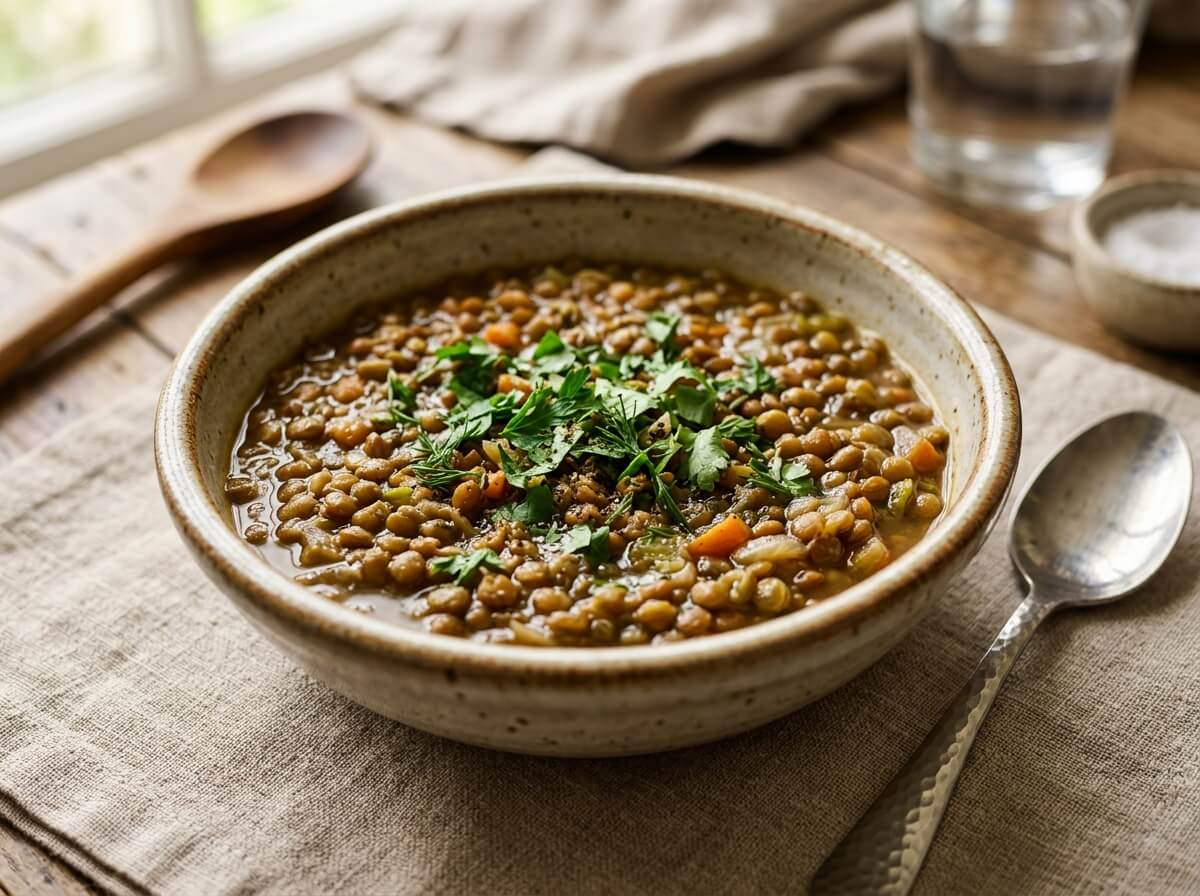
Gross iron content on a food label does not equal absorbed iron in your bloodstream. While popular culture has celebrated spinach as the ultimate plant-based iron source for nearly a century, clinical research reveals that over 95% of spinach iron is biologically unabsorbable due to heavy chelation by oxalic acid. In contrast, cooked lentils provide higher total iron (3.33 mg vs 2.71 mg per 100 g) with significantly lower oxalate interference, making lentils the vastly superior plant-based choice for preventing iron deficiency.
Heme vs. Non-Heme Iron: The Biochemical Divide
Dietary iron exists in two distinct biochemical configurations:
- Heme Iron: Found exclusively in animal tissues (hemoglobin and myoglobin), heme iron is bound within a porphyrin ring. It is transported across the duodenal enterocyte membrane via the heme carrier protein 1 (HCP1) with an absorption efficiency of 15% to 35%, largely independent of dietary meal inhibitors.
- Non-Heme Iron: Present in all plant foods (legumes, grains, nuts, greens) and fortified foods. Non-Heme iron exists predominantly in the oxidized ferric state ($\text{Fe}^{3+}$), which precipitates at neutral intestinal pH. It requires reduction to the soluble ferrous state ($\text{Fe}^{2+}$) via duodenal cytochrome b (Dcytb) to enter enterocytes through divalent metal transporter 1 (DMT1). Non-Heme absorption is highly variable, ranging from under 2% to 20% depending on the presence of dietary enhancers and inhibitors.
Nutritional Comparison: Spinach vs. Cooked Lentils (Per 100 g)
| Nutritional Metric | Raw Spinach | Cooked Lentils | Physiological Difference |
|---|---|---|---|
| Total Iron / 100 g | 2.71 mg | 3.33 mg | Lentils provide 23% more total iron by weight |
| Inhibitor Compound | Oxalic Acid (~970 mg / 100 g) | Phytic Acid (~280 mg / 100 g) | Oxalate binds iron irreversibly; phytate can be degraded by soaking/boiling |
| Estimated Bioavailability | 1.4% to 3.0% | 8% to 15% (prepared) | Lentils deliver 3x to 5x more net absorbable iron to red blood cells |
| Protein Content | 2.86 g | 9.02 g | Lentils deliver triple the protein for hemoglobin globin-chain synthesis |
| Energy / Calories | 23 kcal | 116 kcal | Spinach is lower calorie, but nutritionally incomplete for iron recovery |
The cultural myth that spinach makes you indestructible with iron originated from late 19th-century nutritional analyses that miscalculated dried spinach powder instead of fresh wet leaves, exaggerating its iron density by a factor of ten. While fresh spinach does contain 2.7 mg iron per 100 g, its massive oxalate content binds to both iron and calcium to form insoluble calcium oxalate and ferric oxalate crystals that pass directly out of the body unabsorbed.
The single most powerful biochemical tool for overcoming non-heme iron inhibition is ascorbic acid (Vitamin C). When vitamin C is present in the stomach and duodenum during digestion, two simultaneous reactions occur:
- It donates an electron to insoluble ferric iron ($\text{Fe}^{3+}$), converting it into the bioavailable, soluble ferrous state ($\text{Fe}^{2+}$).
- It forms a soluble, stable iron-chelate complex at low pH that prevents phytic acid and polyphenols from precipitating the iron out of solution.
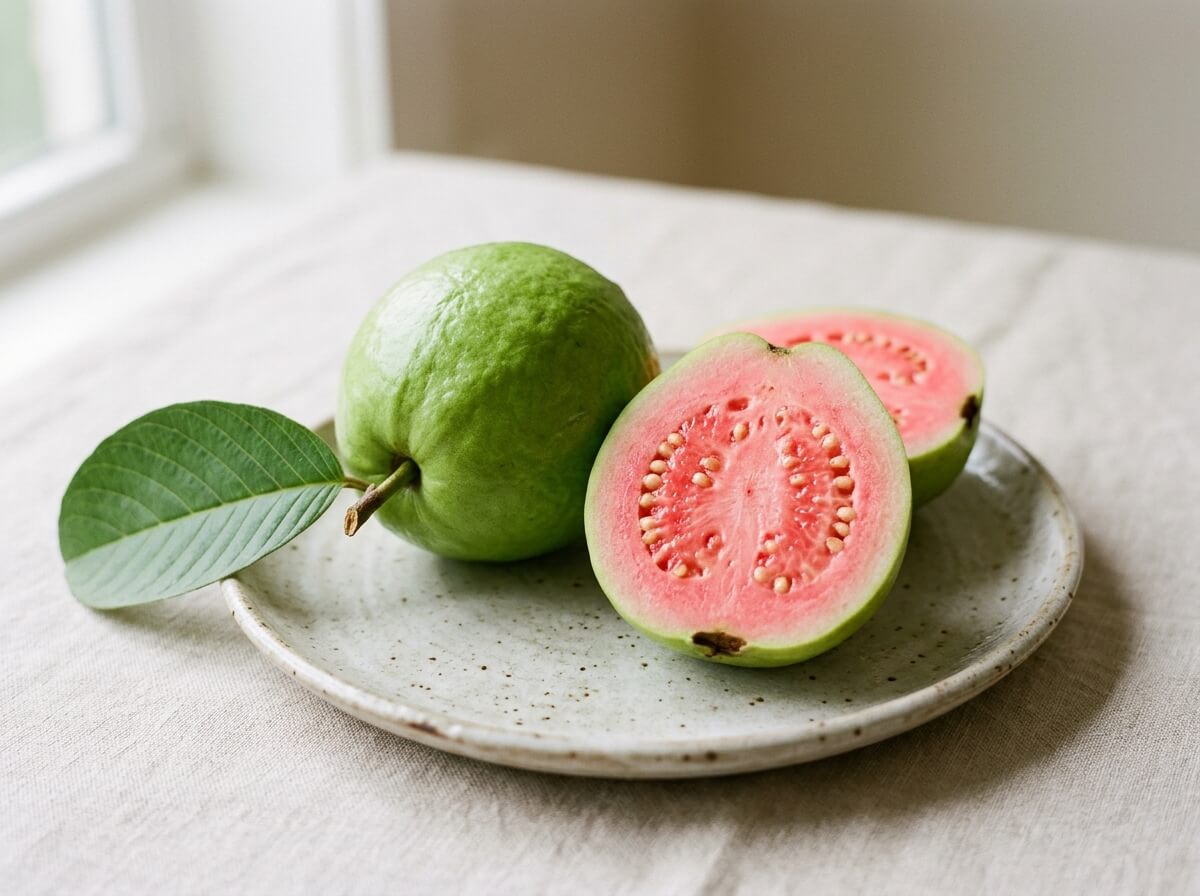
Consuming 75 mg to 100 mg of Vitamin C (such as one small guava, half a red bell pepper, or 100 g of strawberries) alongside a cup of cooked lentils increases non-heme iron absorption by up to 300% (a 4-fold enhancement).
Practical Kitchen Rules for Maximizing Plant Iron
- Soak and rinse dried lentils: Soaking dried lentils in warm water for 8 hours before cooking activates endogenous phytase enzymes, breaking down phytic acid phosphate bonds.
- Separate tea and coffee from iron meals: Chlorogenic acid in coffee and theaflavins in black tea bind non-heme iron with high affinity. Wait at least 60 to 90 minutes after eating iron-rich plant meals before drinking coffee or tea.
- Cook in cast iron cookware: Simmering acidic foods (such as lentil curries with tomatoes) in seasoned cast iron skillets leaches safe, trace elemental iron directly into the food matrix, boosting net iron by 2 to 4 mg per serving.