Micronutriments··Mis à jour ·11 min read

The Modern Magnesium Deficit: 5 Whole Foods That Restore Cellular ATP & Sleep Quality

Over 50% of adults fall short of magnesium requirements. Learn how chlorophyll chelation in green plants and seeds restores enzymatic energy.

Marcus Chen, MS, RD, CSSD
Diététicien du Sport Certifié
Medically Reviewed: Dr. Elena Rostova, PhD, RD
Data Source: USDA FoodData Central & Clinical Trials
Standard: Evidence-Based · Fact-Checked
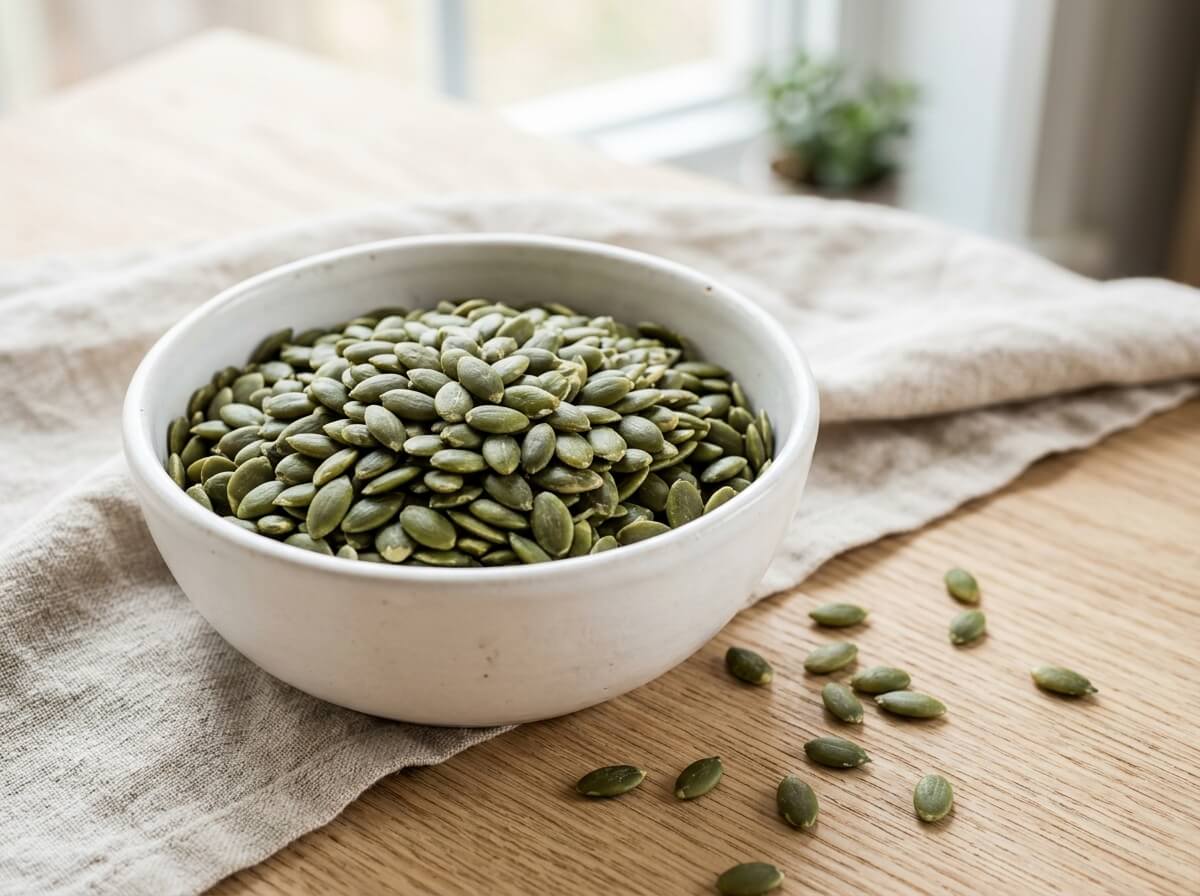
Pumpkin seeds, dark chocolate, and whole food magnesium powerhouses
Pumpkin seeds deliver an astonishing 592 mg of magnesium per 100 g, making them the premier whole-food source.
Clinical & Educational Disclaimer: This article is authored for scientific and evidence-based nutritional education. Data points are calibrated from USDA FoodData Central analytical laboratory measurements and peer-reviewed clinical publications. This content does not constitute medical advice or personalized nutritional therapy. Consult a physician or registered dietitian before undertaking major dietary protocols.

Points Clés

  • Epidemiological surveys confirm that over 50% of the US population fails to meet the Recommended Dietary Allowance (RDA) for magnesium (400–420 mg for men, 310–320 mg for women).
  • Magnesium is required for every single energy-generating reaction in the body: biological ATP does not exist as free ATP, but as an active chelate complex: Mg-ATP.
  • Raw pumpkin seed kernels deliver 592 mg of magnesium per 100 g—meaning just a 1-ounce handful (28 g) supplies nearly 40% of the entire daily requirement.
  • Magnesium is the central coordinating atom in the chlorophyll molecule: if a plant tissue is deep vibrant green (spinach, Swiss chard), it is guaranteed to contain bioavailable magnesium.
  • Magnesium acts as an agonist for calming gamma-aminobutyric acid (GABA) receptors and blocks excitatory NMDA receptors, supporting deep slow-wave sleep architecture.

Biochemical Energy Summary

Magnesium is the unsung spark plug of human cellular energy. Every time your mitochondria synthesize adenosine triphosphate (ATP), that molecule must bind to a divalent magnesium ion ($\text{Mg}^{2+}$) to create Mg-ATP, the only structural form recognizable by metabolic enzymes. Subclinical magnesium deficiency impairs muscular relaxation, blunts insulin sensitivity, and degrades sleep quality. Incorporating pumpkin seeds, dark leafy greens, almonds, and legumes restores cellular stores naturally without requiring synthetic laxative supplements.

The Widespread Modern Magnesium Deficit

Why is magnesium deficiency so pervasive in developed nations? Three converging factors have depleted modern intakes:

  1. Agricultural Soil Depletion: Decades of intensive industrial monocropping with NPK (nitrogen-phosphorus-potassium) fertilizers have depleted soil micronutrient reserves, reducing the magnesium content of vegetables by 15% to 30% compared to 1950 baselines.
  2. Grain Refining: Milling whole wheat into white flour removes the bran and germ, stripping over 80% of natural magnesium.
  3. Renal Excretion Triggers: High caffeine consumption, chronic psychological stress (elevated cortisol), and excessive alcohol accelerate renal magnesium wasting into urine.

Top 5 Whole Foods Highest in Magnesium (Per 100 g)

Food Item Serving State Magnesium / 100 g % Daily Value (420 mg RDA) Key Synergistic Micronutrients
Pumpkin Seeds (Pepitas) Raw Kernels 592 mg 141% DV Zinc (7.8 mg), Tryptophan, Plant Protein (30.2 g)
Dark Chocolate (85% Cacao) Solid Bar 228 mg 54% DV Flavanols, Copper, Prebiotic Fiber (10.9 g)
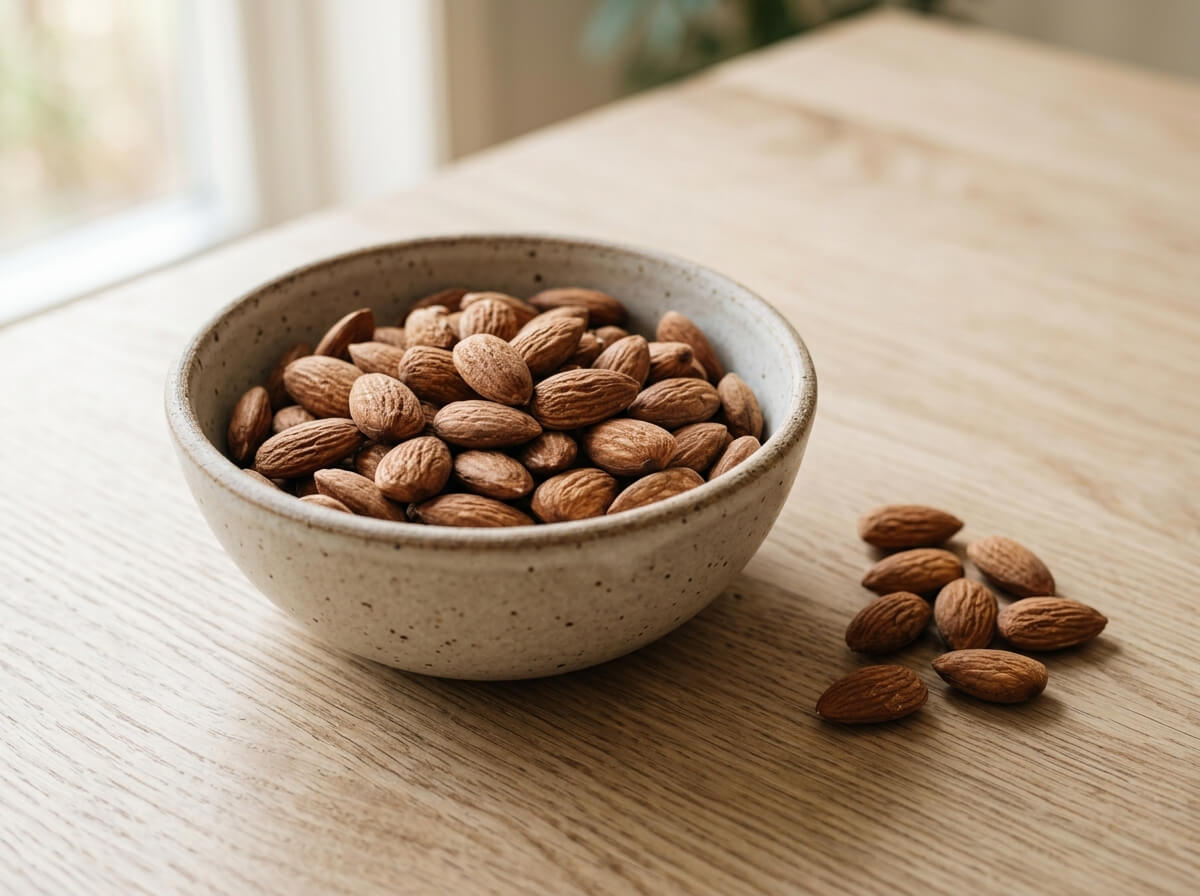
Raw Almonds Raw Whole 270 mg 64% DV Vitamin E (Alpha-tocopherol), Riboflavin
Cooked Spinach Boiled / Cooked 87 mg 21% DV Chlorophyll-bound magnesium, Folate, Lutein
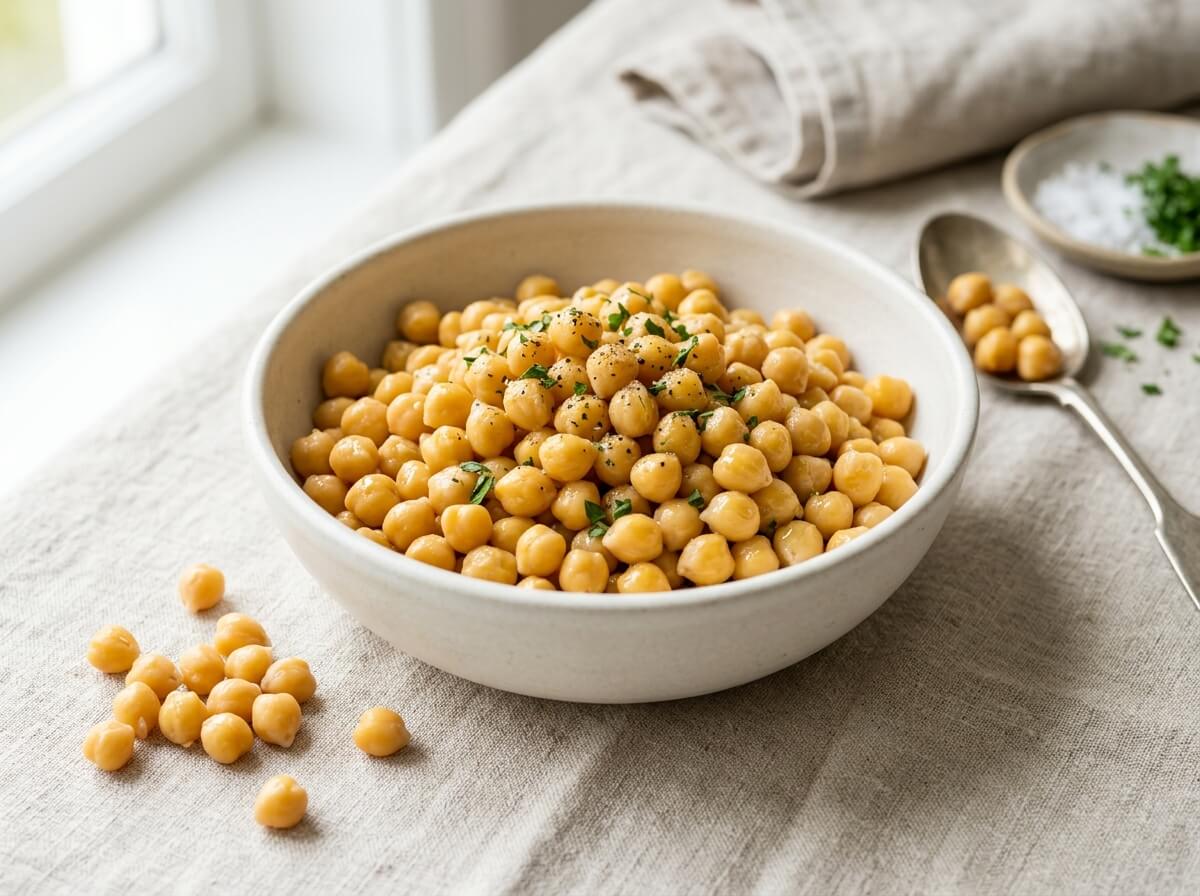
Black Beans Boiled / Cooked 70 mg 17% DV Resistant Starch, Anthocyanins, Potassium
Neurology: Magnesium, GABA, and Sleep Architecture

Magnesium plays a critical role in the central nervous system by maintaining neurological resting tone:

  • GABA Receptor Agonism: Magnesium binds to gamma-aminobutyric acid (GABA) receptors in the brain, facilitating inhibitory neurotransmission that quiets cortical arousal and initiates sleep.
  • NMDA Receptor Blockade: In excitatory neurons, magnesium sits inside the pore of the N-methyl-D-aspartate (NMDA) receptor channel as a physiological voltage-dependent plug. When cellular magnesium is low, the NMDA channel stays unblocked, permitting unchecked calcium influx that causes neuronal hyperexcitability, muscle spasms, and insomnia.

Practical Bedtime Magnesium Habits

  • An evening pumpkin-seed ritual: Enjoying a 1-ounce (28 g) handful of roasted pumpkin seeds with an evening chamomile tea provides roughly 165 mg of bioavailable magnesium alongside natural tryptophan—the direct amino acid precursor to serotonin and melatonin.
  • Add a dark leafy green to dinner: A single cup of cooked spinach or Swiss chard delivers ~150 mg of magnesium. Because magnesium is held in the central porphyrin ring of green chlorophyll, it is released gently during digestion without causing digestive upset.
Find High-Magnesium Foods on FoodAlt

Sort through hundreds of whole foods to find the highest magnesium sources per calorie or per serving.

Questions Fréquentes

Why doesn’t routine blood work detect magnesium deficiency?

Standard blood tests measure serum magnesium, which accounts for less than 1% of total body magnesium stores (over 99% is sequestered inside bone and skeletal muscle). The body tightly regulates serum magnesium within a narrow range (1.7–2.2 mg/dL) by leaching magnesium from bones if dietary intake drops. A red blood cell (RBC) magnesium test provides a significantly more accurate reflection of tissue status.

Can you overdose on magnesium from whole foods?

No. In individuals with healthy kidneys, the gastrointestinal tract and kidneys effortlessly excrete excess dietary magnesium from whole foods (such as pumpkin seeds or spinach). Hypermagnesemia only occurs from massive overdoses of supplemental magnesium salts or in severe renal failure.

Sources & Méthodologie

Data referenced from USDA FoodData Central chemical analysis and peer-reviewed clinical bioenergetics publications.

Comparez plus d'aliments sur FoodAlt

FoodAlt vous aide à comparer les aliments, explorer des alternatives utiles et comprendre la nutrition facilement.

#Magnesium#Sleep#ATP#Energy#Micronutrients#Pumpkin Seeds#Food Swaps

Découvrir d'Autres Comparatifs Alimentaires

Voir tous les articles