代替食品··更新: ·12 min read

Low-Glycemic Carb Swaps: How Resistant Starch & Soluble Fiber Blunt Glucose Spikes

From retrograded amylose to beta-glucan: scientific carbohydrate replacements that sustain energy and improve insulin sensitivity.

エレナ・ロストヴァ博士, RD
首席栄養科学者・管理栄養士
Medically Reviewed: Marcus Chen, MS, RD, CSSD
Data Source: USDA FoodData Central & Clinical Trials
Standard: Evidence-Based · Fact-Checked
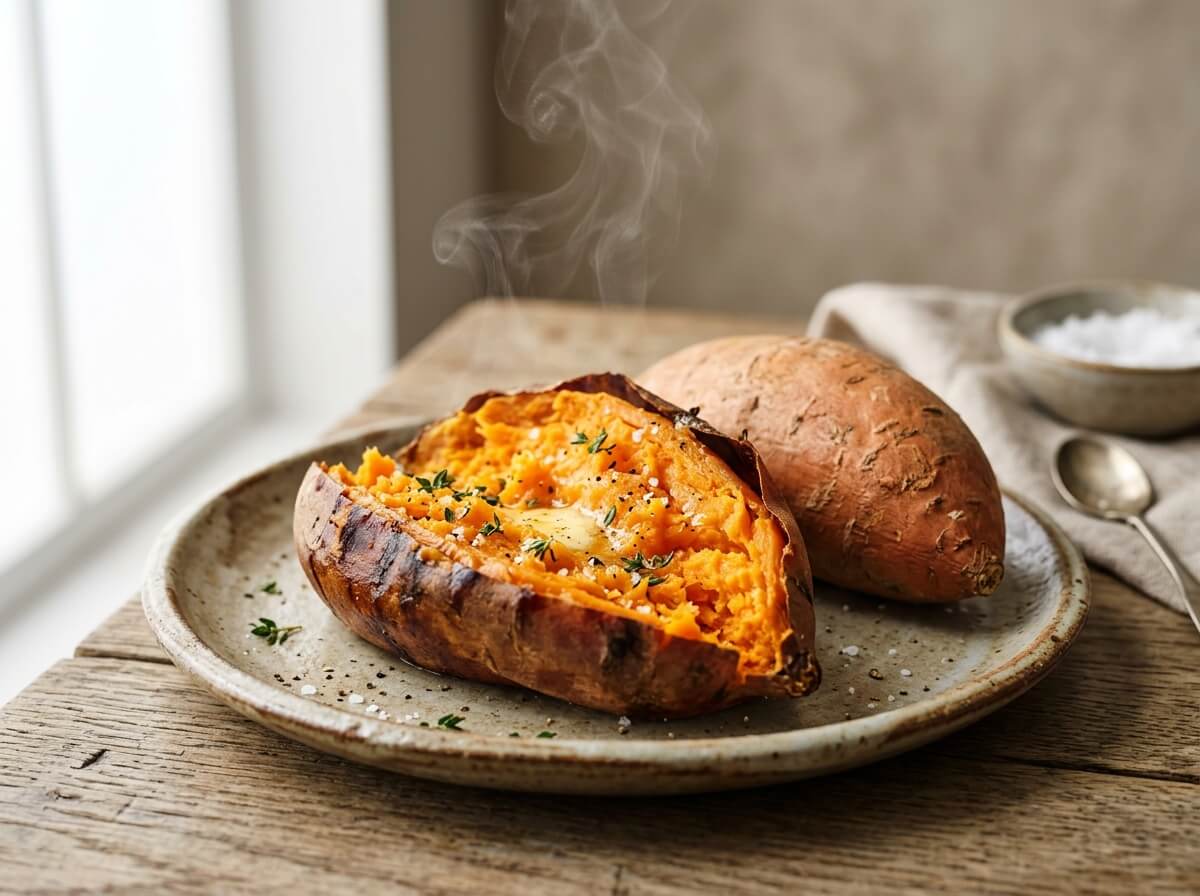
Sweet potatoes, whole grains, and low-glycemic carbohydrate alternatives
Slow-digesting carbohydrate sources like sweet potatoes, oats, and legumes prevent acute postprandial glucose excursions.
Clinical & Educational Disclaimer: This article is authored for scientific and evidence-based nutritional education. Data points are calibrated from USDA FoodData Central analytical laboratory measurements and peer-reviewed clinical publications. This content does not constitute medical advice or personalized nutritional therapy. Consult a physician or registered dietitian before undertaking major dietary protocols.

重要ポイント

  • Glycemic Index (GI) measures the rate of blood glucose rise, while Glycemic Load (GL) accounts for portion size and total available carbohydrate density.
  • Refined carbohydrates (white bread, white rice) cause rapid glucose spikes followed by reactive hypoglycemia and elevated cortisol/adrenaline.
  • Swapping to complex whole carbohydrates (quinoa, steel-cut oats, sweet potato, lentils) provides beta-glucans and soluble viscous fiber that physically delay intestinal starch hydrolysis.
  • The "Second-Meal Effect": Consuming fermentable resistant starch or legumes at lunch improves glucose tolerance and insulin sensitivity at dinner and breakfast the following morning.
  • Cooking and cooling starchy foods increases Resistant Starch Type 3 (RS3) by up to 250%, converting fast-acting calories into prebiotic gut fiber.

Metabolic Health Summary

Carbohydrates are not fundamentally harmful; carbohydrate *speed of digestion* is what drives metabolic dysfunction. When starches lack physical fiber matrices, pancreatic alpha-amylase and intestinal brush-border maltase hydrolyze amylose and amylopectin into glucose within minutes. By swapping high-GI refined grains for whole legumes, cooled retrograded tubers, pearl barley, and steel-cut oats, you smooth out glycemic variability, prevent hyperinsulinemia, and feed colonic microbiota through the second-meal effect.

Glycemic Index (GI) vs. Glycemic Load (GL) Comparison

Carbohydrate Source Serving Size Glycemic Index (GI) Glycemic Load (GL) Fiber / Serving Metabolic Classification
Baguette / White Bread 1 slice (30 g) 75 (High) 15 (High) 0.8 g Rapid Spike
Jasmine White Rice 1 cup cooked (158 g) 73 (High) 30 (Extreme) 0.6 g Rapid Spike
Cooked Quinoa 1 cup cooked (185 g) 53 (Low) 18 (Moderate) 5.2 g Sustained Release
Boiled Sweet Potato 1 medium (150 g) 46 (Low) 11 (Moderate) 4.0 g Sustained Release
Cooked Lentils 1 cup cooked (198 g) 32 (Very Low) 9 (Low) 15.6 g Superior Metabolic Satiety
Pearl Barley 1 cup cooked (157 g) 28 (Very Low) 12 (Moderate) 6.0 g Superior Beta-Glucan
The Science of the "Second-Meal Effect"

First identified in 1982 by Dr. David Jenkins, the Second-Meal Effect describes how low-GI, fermentable carbohydrates consumed at one meal significantly blunt blood sugar spikes at a subsequent meal hours later. When legumes or barley are digested, their resistant starch reaches the colon 4 to 6 hours later. Colonic fermentation generates short-chain fatty acids (SCFAs) that enter portal circulation, inhibiting hepatic free fatty acid release and up-regulating glucagon-like peptide 1 (GLP-1). Consequently, even if your next meal contains higher-glycemic carbs, your body processes them with improved insulin sensitivity.

Smart Carbohydrate Swaps for Daily Cooking

  • Swap white rice for cooked-and-cooled parboiled or brown rice: Parboiling forces vitamins and minerals into the grain endosperm before milling, while cooling increases retrograded resistant starch.
  • Swap instant oat packets for steel-cut oats: Instant oats are pre-cooked and rolled flat, destroying the grain structure and raising GI to 79. Steel-cut oats retain intact oat groat fragments, keeping GI under 52 and providing prolonged morning energy.
  • Swap mashed russet potatoes for sweet potato or cauliflower mash: Boiled sweet potatoes have a GI of 46 compared to 85 for baked russet potatoes, delivering rich beta-carotene alongside steady glucose kinetics.

Compare Carb Alternatives on FoodAlt

Discover lower-glycemic and higher-fiber grain alternatives using FoodAlt's real-time comparison engine.

よくある質問

Does cooling and reheating rice eliminate food poisoning risk?

Cooling rice increases resistant starch, but cooked rice can harbor *Bacillus cereus* bacterial spores. To ensure complete food safety, cool cooked rice rapidly (within 1 hour) by spreading it flat in shallow containers, refrigerate at 4°C (39°F) or below, and reheat thoroughly to at least 74°C (165°F) within 3 days.

Is sweet potato always lower glycemic than white potato?

Preparation method heavily dictates glycemic response: boiled sweet potato has a low GI of 44–46, whereas roasting or baking sweet potato at high heat for 60+ minutes activates maltogenic amylase enzymes, converting complex starches into maltose sugar and raising the GI to over 80.

情報源と分析手法

Data referenced from the University of Sydney Glycemic Index Database and USDA FoodData Central records.

FoodAltでさらに多くの食品を比較する

FoodAltは、食品の比較や代替食品の検索を通じて、栄養データをわかりやすくお届けします。

#Carbohydrates#Glycemic Index#Resistant Starch#Blood Sugar#Insulin#Food Swaps

他の食品比較記事を見る

すべての記事を見る