Substitutos de Alimentos··Atualizado ·12 min read

Low-Glycemic Carb Swaps: How Resistant Starch & Soluble Fiber Blunt Glucose Spikes

From retrograded amylose to beta-glucan: scientific carbohydrate replacements that sustain energy and improve insulin sensitivity.

Dra. Elena Rostova, PhD, RD
Cientista Nutricional Líder e Nutricionista
Medically Reviewed: Marcus Chen, MS, RD, CSSD
Data Source: USDA FoodData Central & Clinical Trials
Standard: Evidence-Based · Fact-Checked
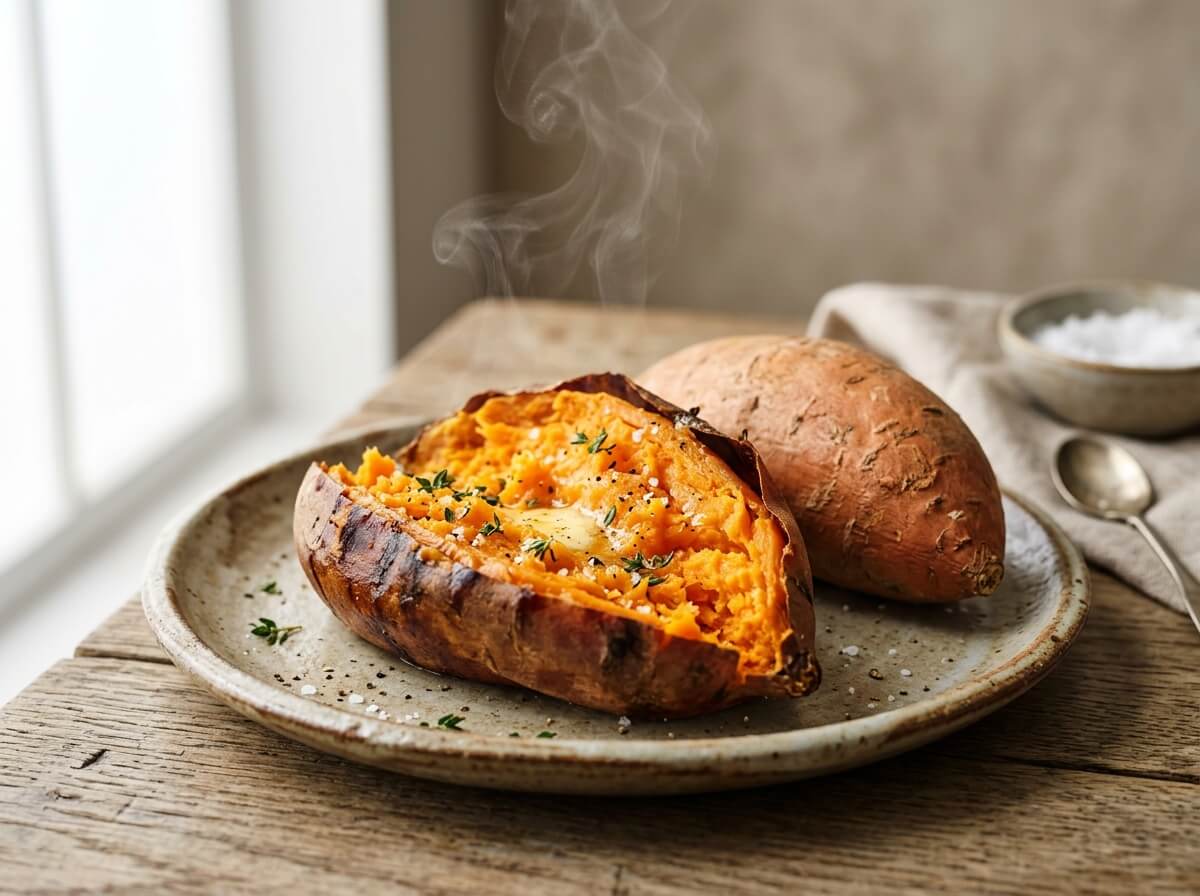
Sweet potatoes, whole grains, and low-glycemic carbohydrate alternatives
Slow-digesting carbohydrate sources like sweet potatoes, oats, and legumes prevent acute postprandial glucose excursions.
Clinical & Educational Disclaimer: This article is authored for scientific and evidence-based nutritional education. Data points are calibrated from USDA FoodData Central analytical laboratory measurements and peer-reviewed clinical publications. This content does not constitute medical advice or personalized nutritional therapy. Consult a physician or registered dietitian before undertaking major dietary protocols.

Pontos Principais

  • Glycemic Index (GI) measures the rate of blood glucose rise, while Glycemic Load (GL) accounts for portion size and total available carbohydrate density.
  • Refined carbohydrates (white bread, white rice) cause rapid glucose spikes followed by reactive hypoglycemia and elevated cortisol/adrenaline.
  • Swapping to complex whole carbohydrates (quinoa, steel-cut oats, sweet potato, lentils) provides beta-glucans and soluble viscous fiber that physically delay intestinal starch hydrolysis.
  • The "Second-Meal Effect": Consuming fermentable resistant starch or legumes at lunch improves glucose tolerance and insulin sensitivity at dinner and breakfast the following morning.
  • Cooking and cooling starchy foods increases Resistant Starch Type 3 (RS3) by up to 250%, converting fast-acting calories into prebiotic gut fiber.

Metabolic Health Summary

Carbohydrates are not fundamentally harmful; carbohydrate *speed of digestion* is what drives metabolic dysfunction. When starches lack physical fiber matrices, pancreatic alpha-amylase and intestinal brush-border maltase hydrolyze amylose and amylopectin into glucose within minutes. By swapping high-GI refined grains for whole legumes, cooled retrograded tubers, pearl barley, and steel-cut oats, you smooth out glycemic variability, prevent hyperinsulinemia, and feed colonic microbiota through the second-meal effect.

Glycemic Index (GI) vs. Glycemic Load (GL) Comparison

Carbohydrate Source Serving Size Glycemic Index (GI) Glycemic Load (GL) Fiber / Serving Metabolic Classification
Baguette / White Bread 1 slice (30 g) 75 (High) 15 (High) 0.8 g Rapid Spike
Jasmine White Rice 1 cup cooked (158 g) 73 (High) 30 (Extreme) 0.6 g Rapid Spike
Cooked Quinoa 1 cup cooked (185 g) 53 (Low) 18 (Moderate) 5.2 g Sustained Release
Boiled Sweet Potato 1 medium (150 g) 46 (Low) 11 (Moderate) 4.0 g Sustained Release
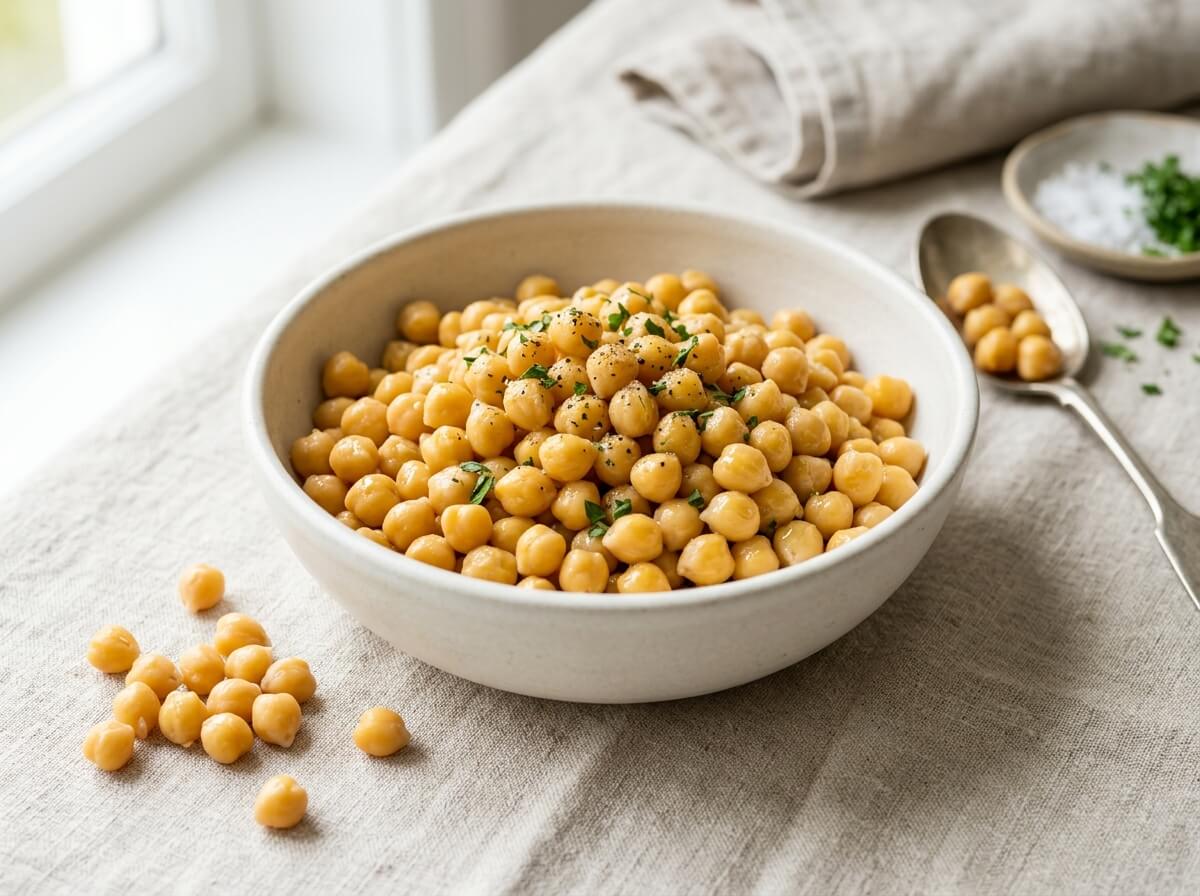
Cooked Lentils 1 cup cooked (198 g) 32 (Very Low) 9 (Low) 15.6 g Superior Metabolic Satiety
Pearl Barley 1 cup cooked (157 g) 28 (Very Low) 12 (Moderate) 6.0 g Superior Beta-Glucan
The Science of the "Second-Meal Effect"

First identified in 1982 by Dr. David Jenkins, the Second-Meal Effect describes how low-GI, fermentable carbohydrates consumed at one meal significantly blunt blood sugar spikes at a subsequent meal hours later. When legumes or barley are digested, their resistant starch reaches the colon 4 to 6 hours later. Colonic fermentation generates short-chain fatty acids (SCFAs) that enter portal circulation, inhibiting hepatic free fatty acid release and up-regulating glucagon-like peptide 1 (GLP-1). Consequently, even if your next meal contains higher-glycemic carbs, your body processes them with improved insulin sensitivity.

Smart Carbohydrate Swaps for Daily Cooking

  • Swap white rice for cooked-and-cooled parboiled or brown rice: Parboiling forces vitamins and minerals into the grain endosperm before milling, while cooling increases retrograded resistant starch.
  • Swap instant oat packets for steel-cut oats: Instant oats are pre-cooked and rolled flat, destroying the grain structure and raising GI to 79. Steel-cut oats retain intact oat groat fragments, keeping GI under 52 and providing prolonged morning energy.
  • Swap mashed russet potatoes for sweet potato or cauliflower mash: Boiled sweet potatoes have a GI of 46 compared to 85 for baked russet potatoes, delivering rich beta-carotene alongside steady glucose kinetics.

Compare Carb Alternatives on FoodAlt

Discover lower-glycemic and higher-fiber grain alternatives using FoodAlt's real-time comparison engine.

Perguntas Frequentes

Does cooling and reheating rice eliminate food poisoning risk?

Cooling rice increases resistant starch, but cooked rice can harbor *Bacillus cereus* bacterial spores. To ensure complete food safety, cool cooked rice rapidly (within 1 hour) by spreading it flat in shallow containers, refrigerate at 4°C (39°F) or below, and reheat thoroughly to at least 74°C (165°F) within 3 days.

Is sweet potato always lower glycemic than white potato?

Preparation method heavily dictates glycemic response: boiled sweet potato has a low GI of 44–46, whereas roasting or baking sweet potato at high heat for 60+ minutes activates maltogenic amylase enzymes, converting complex starches into maltose sugar and raising the GI to over 80.

Fontes e Metodologia

Data referenced from the University of Sydney Glycemic Index Database and USDA FoodData Central records.

Compare mais alimentos no FoodAlt

O FoodAlt ajuda você a comparar alimentos, explorar alternativas úteis e entender a nutrição com mais facilidade.

#Carbohydrates#Glycemic Index#Resistant Starch#Blood Sugar#Insulin#Food Swaps

Explorar Mais Comparações de Alimentos

Ver todos os artigos