Microbiome Science Summary
Dietary fiber represents the indispensable metabolic fuel for the human colonic ecosystem. While human digestive enzymes in the stomach and small intestine cannot cleave the $\beta$-glycosidic bonds of non-starch polysaccharides, our trillions of gut microbiota harbor hundreds of carbohydrate-active enzymes (CAZymes). Microbial fermentation of these fibers generates Short-Chain Fatty Acids (SCFAs), which regulate metabolic homeostasis, intestinal permeability, immune tolerance, and even appetite signaling via the gut-brain axis.
The Three Functional Classes of Dietary Fiber
Rather than viewing fiber as a monolithic nutrient, gastroenterologists and nutritional biochemists categorize fibers by their physical chemistry and physiological behavior:
| Fiber Category | Key Biochemical Types | Top Whole Food Sources | Primary Physiological Function |
|---|---|---|---|
| Soluble Viscous Fiber | Beta-glucan, pectin, plant gums, mucilage | Oats, chia seeds, apples, barley | Forms a viscous gel in the stomach; delays gastric emptying, blunts glucose spikes, binds intestinal bile acids to lower LDL cholesterol |
| Soluble Fermentable (Prebiotics) | Inulin, fructooligosaccharides (FOS), galactooligosaccharides (GOS) | Chicory root, garlic, onions, lentils, asparagus | Rapidly fermented by Bifidobacteria and Akkermansia; maximizes SCFA synthesis |
| Insoluble Structural Fiber | Cellulose, hemicellulose, lignin | Wheat bran, kale stems, almond skins, seed hulls | Mechanically stimulates colonic mucus secretion; adds fecal bulk, reduces transit time |
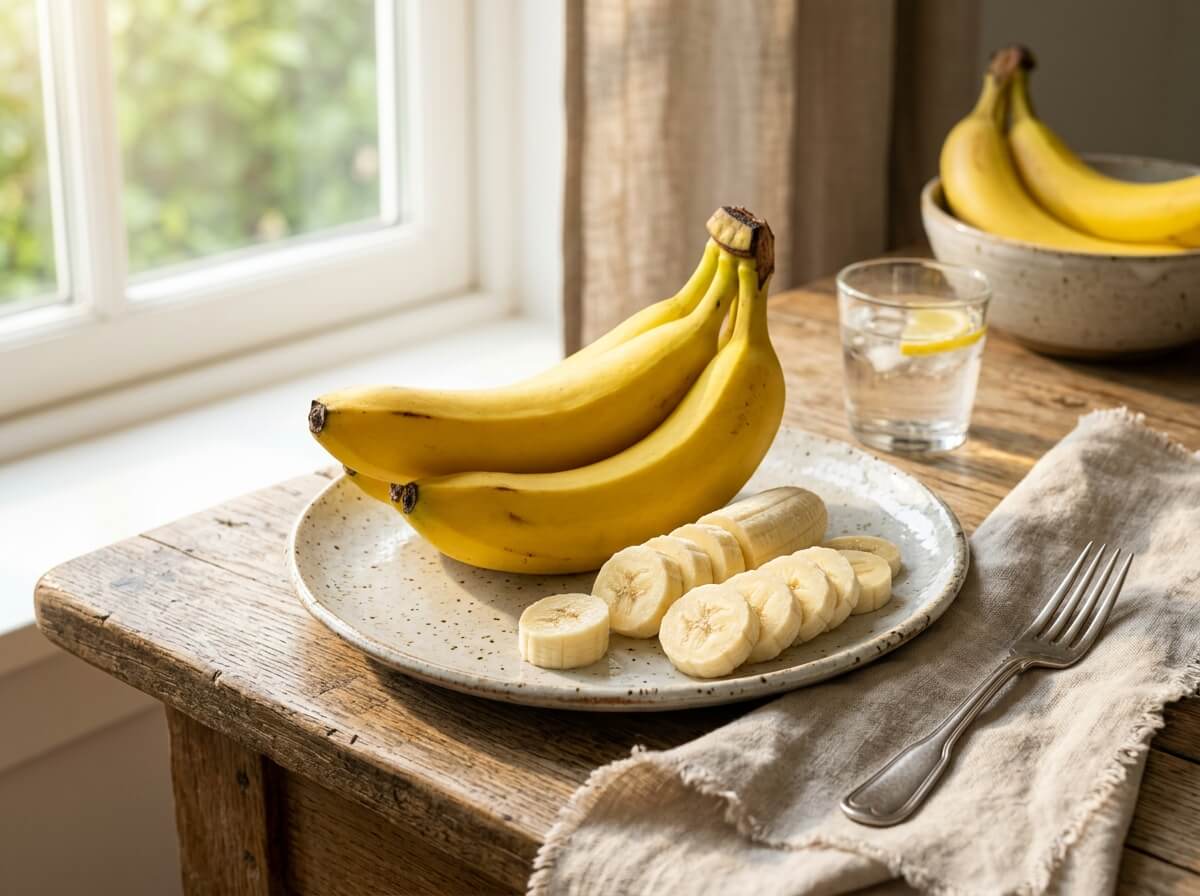
| Resistant Starch (RS1–RS4) | Retrograded amylose (RS3), enclosed starches (RS1) | Cooled potatoes, cooled brown rice, green bananas | Resists small intestine amylase breakdown; reaches the cecum intact for selective butyrate fermentation |
Anaerobic fermentation of non-digestible carbohydrates in the cecum and ascending colon yields three primary organic metabolites in a roughly 60:20:20 molar ratio:
- Acetate (60%): Absorbed into portal circulation; utilized by peripheral tissues and hepatic hepatocytes for lipid synthesis; crosses the blood-brain barrier to modulate central hypothalamic appetite regulation.
- Propionate (20%): Transported directly to the liver; inhibits hepatic cholesterol synthesis via HMG-CoA reductase modulation and activates gluconeogenesis.
- Butyrate (20%): The premier fuel for colonic epithelium, providing over 70% of total energy required by colonocytes. Butyrate acts as an endogenous histone deacetylase (HDAC) inhibitor, suppressing pro-inflammatory cytokines (TNF-alpha, IL-6) and up-regulating tight junction proteins (Claudin-1, Occludin) to prevent "leaky gut" and endotoxemia.
Highest Fiber Whole Foods Ranked by Density
| Food Item | Serving State | Fiber / 100 g | Calories / 100 g | Fiber / 100 kcal | Prebiotic Profile |
|---|---|---|---|---|---|
| Chia Seeds | Raw Whole | 34.4 g | 486 kcal | 7.08 g | Exceptional mucilage gel and soluble fiber |
| Raspberries | Fresh Raw | 6.5 g | 52 kcal | 12.5 g | Pectin, cellulose, high ellagitannin polyphenols |
| Black Beans | Boiled / Cooked | 8.7 g | 132 kcal | 6.59 g | High resistant starch and galactooligosaccharides |
| Green Lentils | Boiled / Cooked | 7.9 g | 116 kcal | 6.81 g | Prebiotic oligosaccharides and resistant starch |
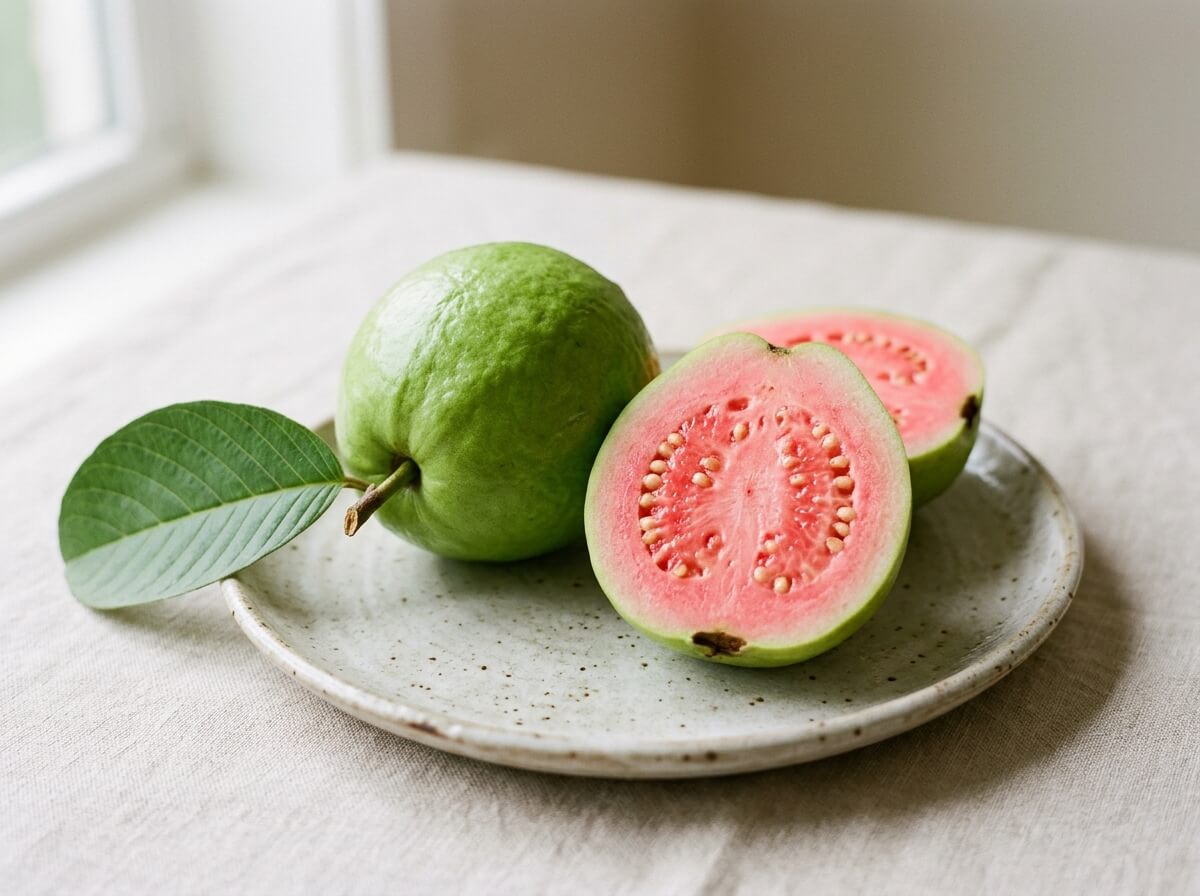
| Guava | Fresh Raw | 5.4 g | 68 kcal | 7.94 g | Rich in soluble fruit pectin and insoluble seed fiber |
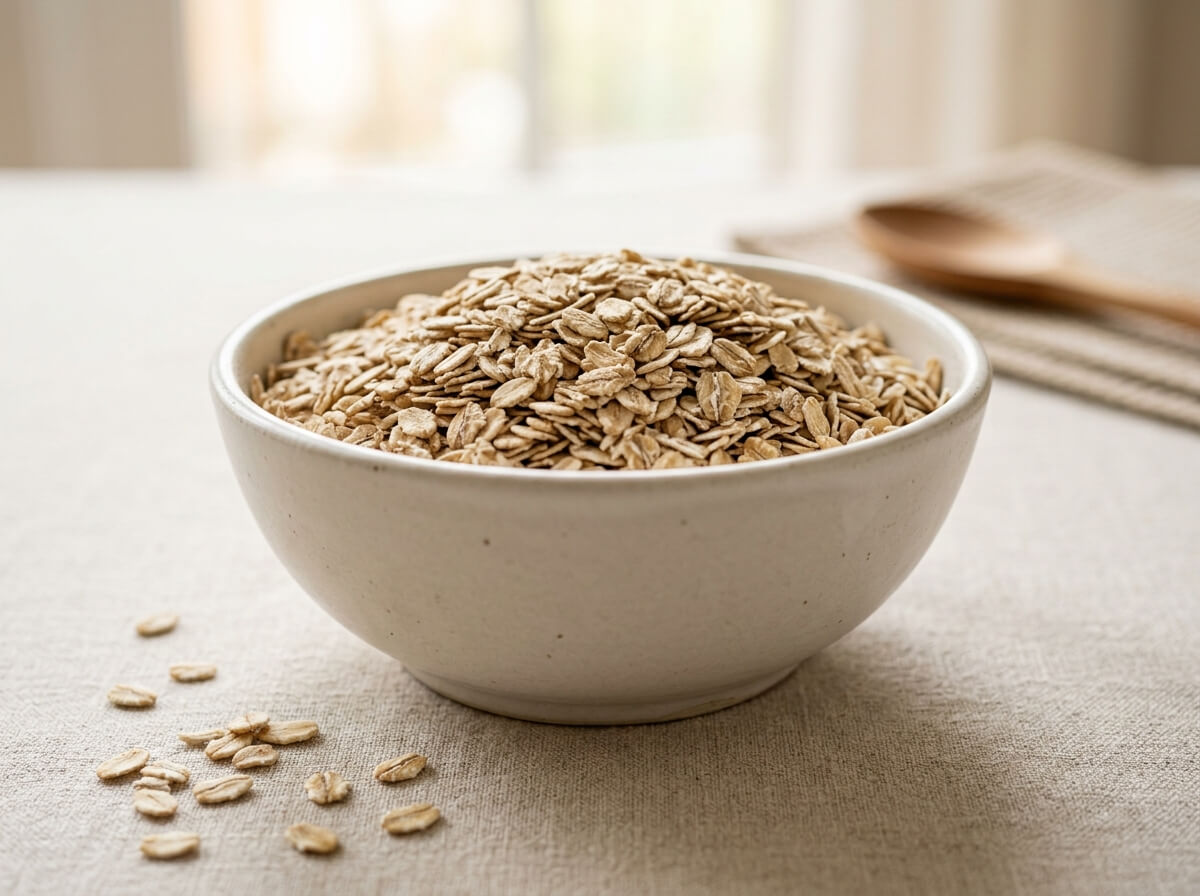
| Rolled Oats | Dry Whole Grain | 10.6 g | 389 kcal | 2.72 g | Clinically validated beta-glucan soluble viscous fiber |
You can literally alter the molecular structure of carbohydrates in your kitchen through a process called retrogradation:
- Cook starches like potatoes, brown rice, or legumes in boiling water until fully gelatinized.
- Refrigerate them at 4°C (39°F) for at least 12 to 24 hours. As the temperature drops, linear amylose chains align into tightly packed crystalline structures that human alpha-amylase cannot cleave.
- Even if you gently reheat the food later, this Resistant Starch Type 3 remains stable, effectively lowering the food's glycemic index by 20% to 35% while delivering double the prebiotic fiber to colonic bacteria.