Roh · Obst
Indische Stachelbeere
478 mg/ 100g
44 kcal
Warum dieses Ergebnis?
Amla (Indian Gooseberry) provides approximately 109% more vitamin c per 100 g (478 mg vs 228 mg in Guava).
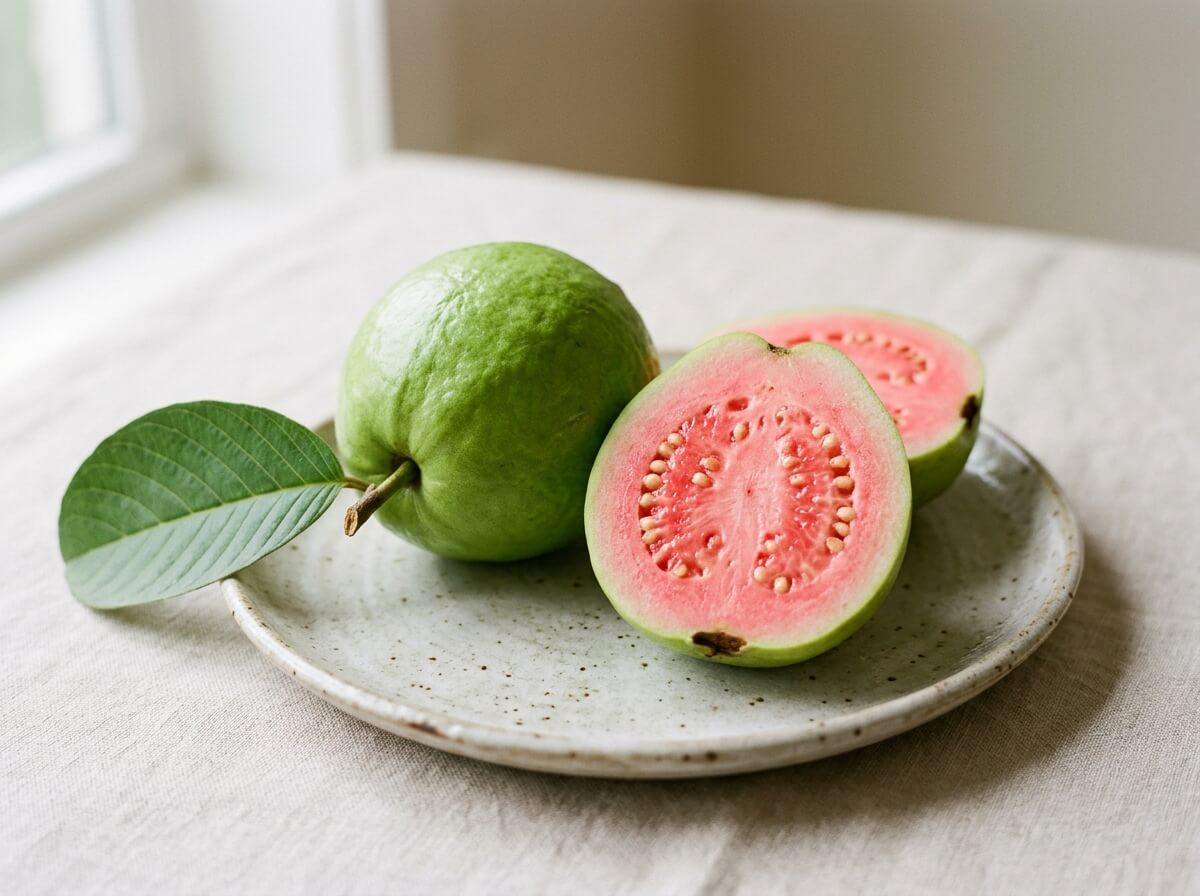
Common Guava / Amrood / Peyara
Psidium guajava
Eine tropische Frucht, außergewöhnlich reich an Ballaststoffen, Kalium und Vitamin C, mit mehr als dreimal so viel Vitamin C wie Zitrusfrüchte pro 100 g.
% TB
Entdecken Sie bewertete Lebensmittelalternativen zu Guave basierend auf Protein, Ballaststoffen oder Vitaminen.
Amla (Indian Gooseberry) provides approximately 109% more vitamin c per 100 g (478 mg vs 228 mg in Guava).
Nährwert-Aufschlüsselung
VS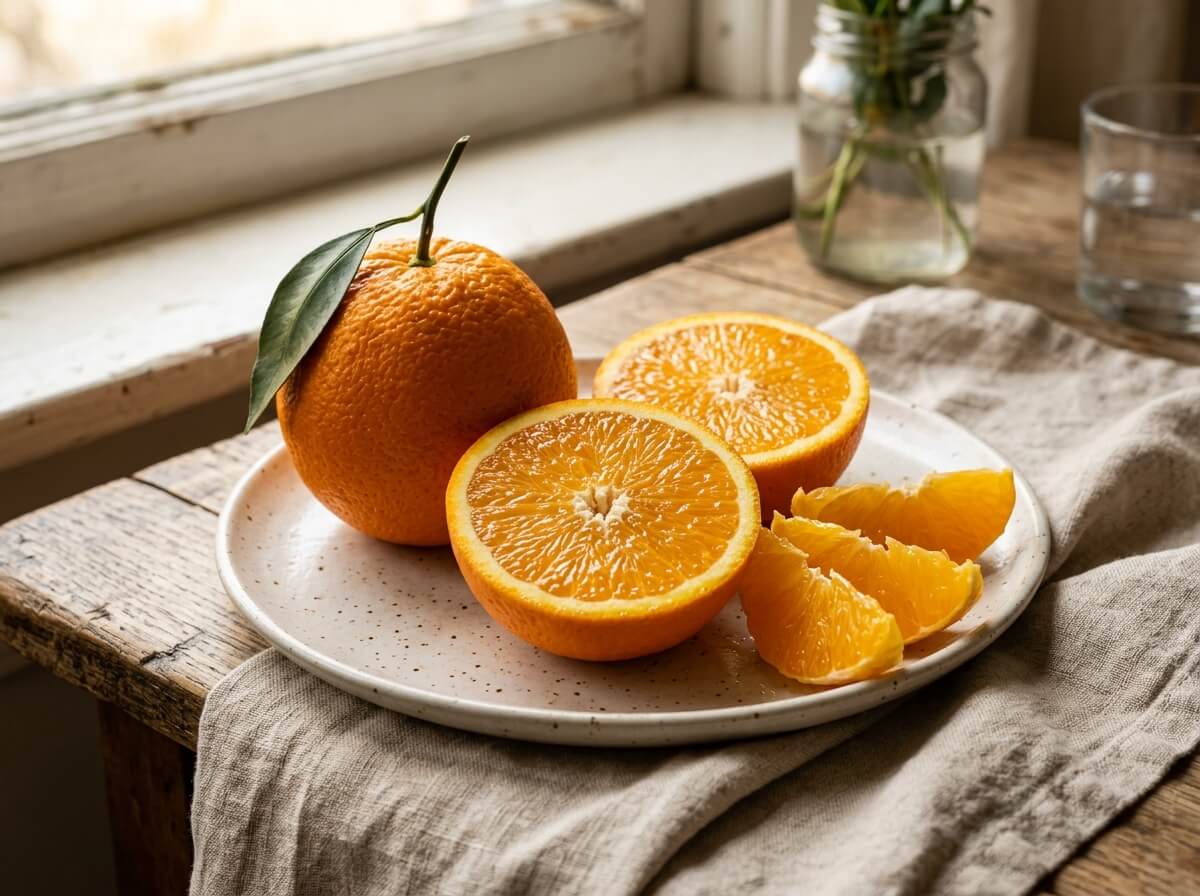 VS
VS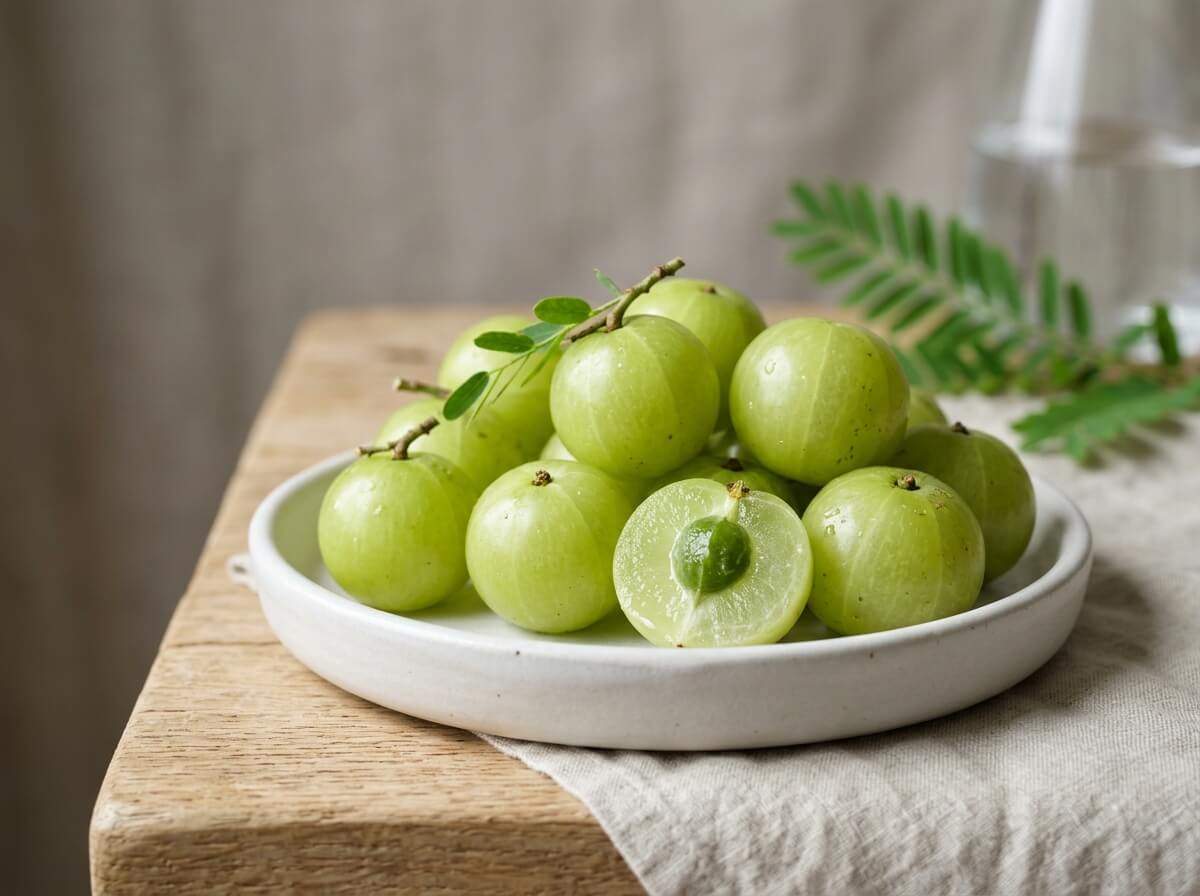 VS
VS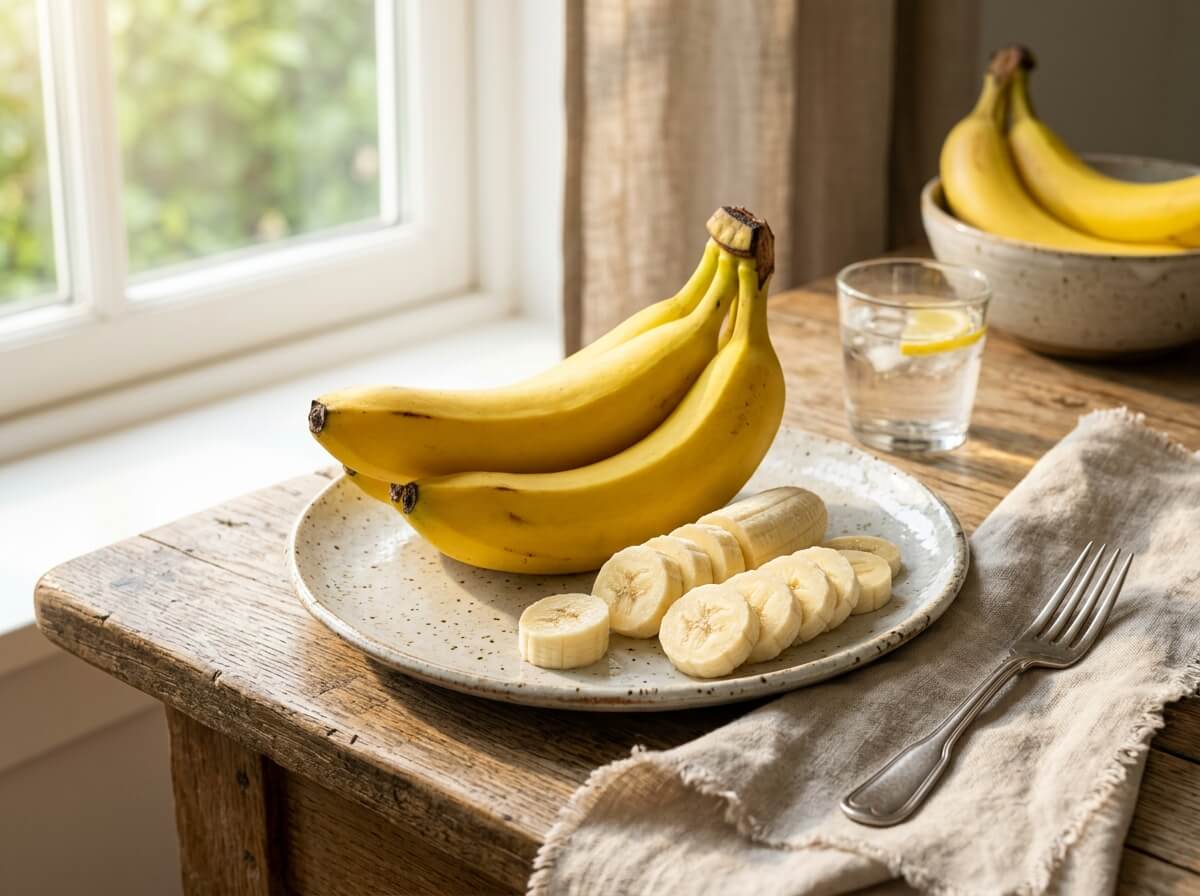 VS
VS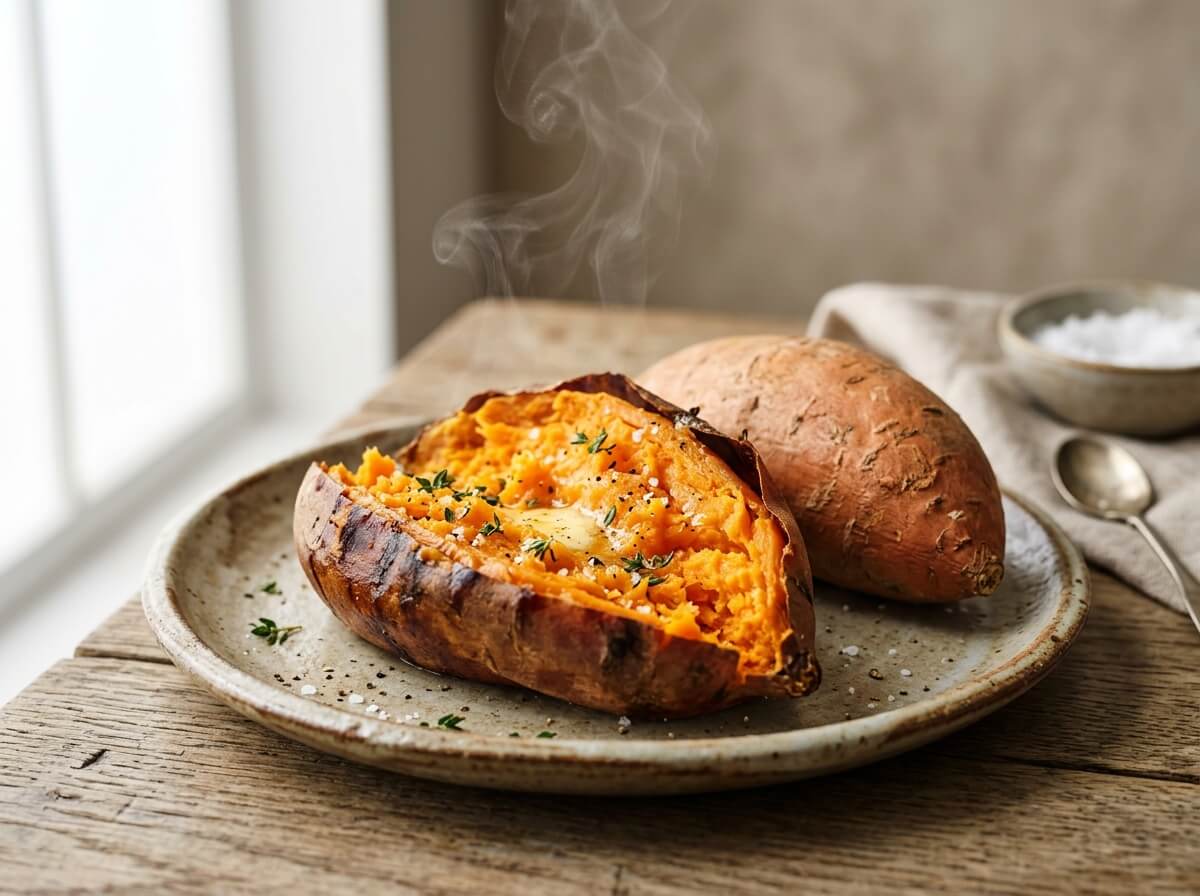 VS
VS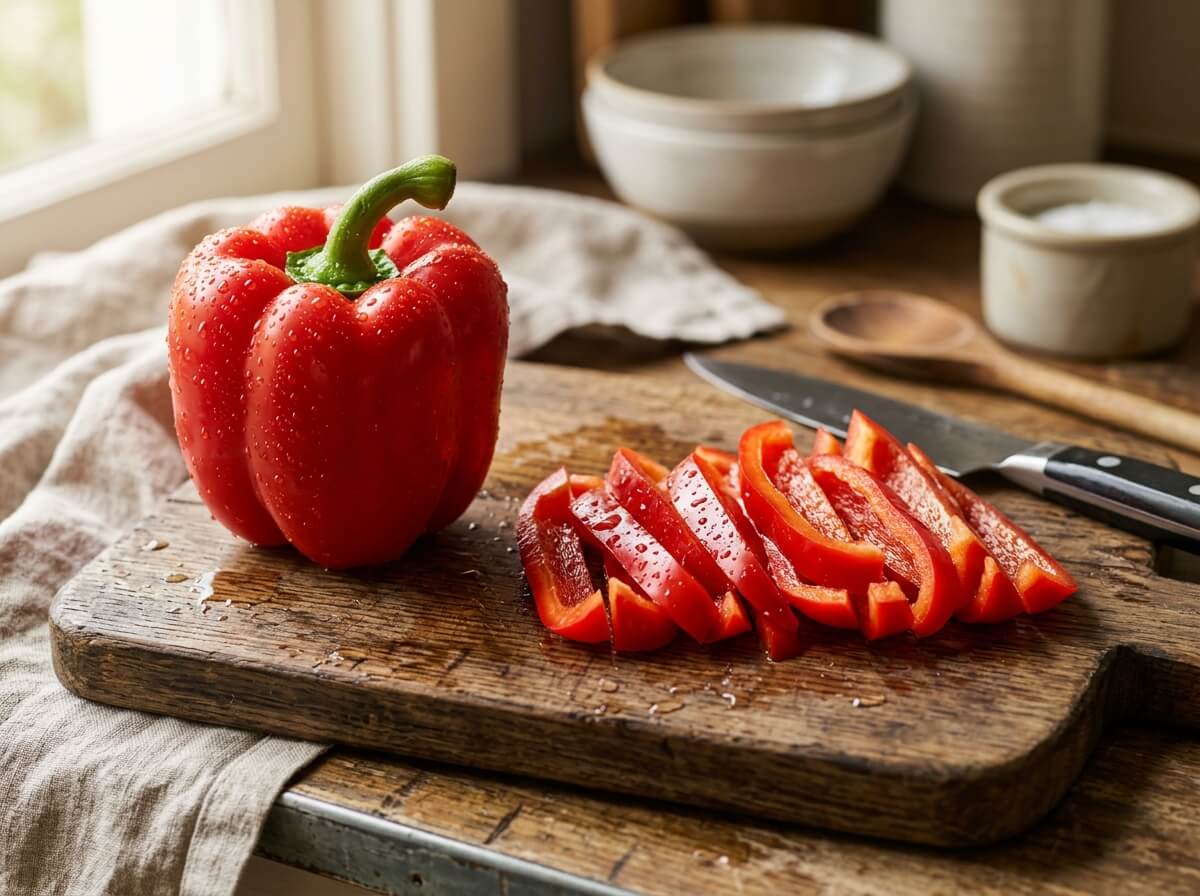 VS
VS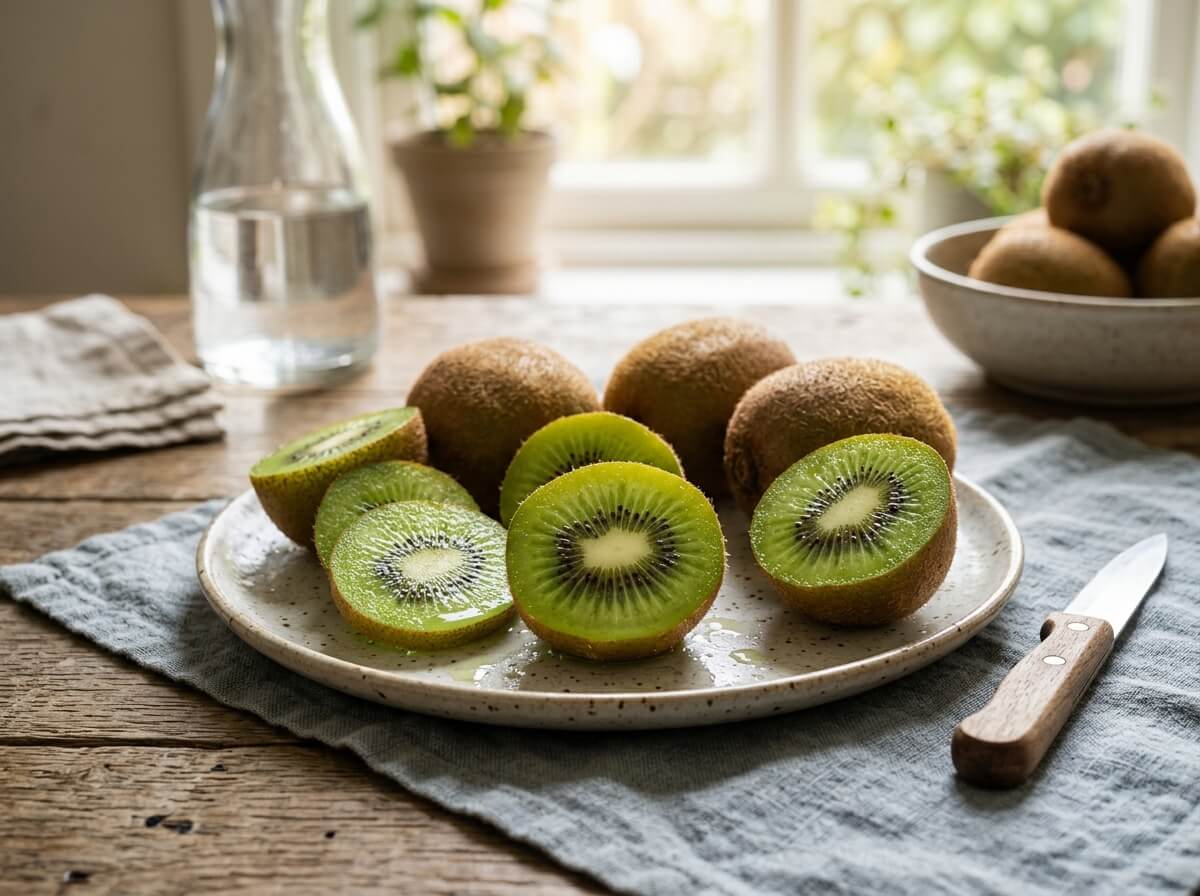
Laboranalysierte Werte aus veröffentlichten Zusammensetzungsberichten
Pro 100g essbarer Anteil
| Makronährstoffe | Menge | % TB* |
|---|---|---|
| Kalorien (Energie) | 68kcal | |
| Protein | 2.6g | |
| Kohlenhydrate | 14.3g | |
| Ballaststoffe | 5.4g | |
| Gesamtfett | 0.95g | |
| Gesättigte Fettsäuren | 0.27g | |
| Zucker | 8.9g | |
| Natrium | 2.0mg |
| Vitamine | Menge | % TB* |
|---|---|---|
Vitamin CAscorbic Acid | 228mg | |
Vitamin ARetinol & Carotenoids | 31µg | |
Vitamin DCholecalciferol / Ergocalciferol | - | - |
Vitamin EAlpha-tocopherol | 0.73mg | |
Vitamin KPhylloquinone & Menaquinones | 2.6µg | |
FolsäureVitamin B9 | 49µg | |
| 0.07mg | ||
| 0.04mg | ||
| 1.1mg | ||
| 0.45mg | ||
Vitamin B6Pyridoxal 5-phosphate | 0.11mg | |
Vitamin B12Cobalamin | 0µg |
Laboranalysierte Werte aus veröffentlichten Zusammensetzungsberichten
Eine 100g-Portion Guave liefert 68 Kalorien, 14.3g Gesamtkohlenhydrate und 5.4g Ballaststoffe (entspricht ca. 8.9g Netto-Kohlenhydraten).
Guave zeichnet sich durch einen hohen Gehalt an Vitamin C (254%), Zucker (18%), Folsäure (12%), Kalium (9%) aus. Ein nährstoffreiches Lebensmittel aus der Gruppe Obst.
Beliebte und nährstoffgeprüfte Alternativen zu Guave sind: Orange, Indische Stachelbeere, Banane, Süßkartoffel. Nutzen Sie unseren Alternativen-Finder für gezielte Nährstoffvergleiche.
Mit 68 kcal und 5.4g Ballaststoffen pro 100g lässt sich Guave hervorragend in eine vollwertige Ernährung integrieren.
Values reflect assayed composite laboratory samples from published public food tables. Naturally occurring nutrients vary by harvest variety and culinary preparation.