Gekocht · Fleisch & Geflügel
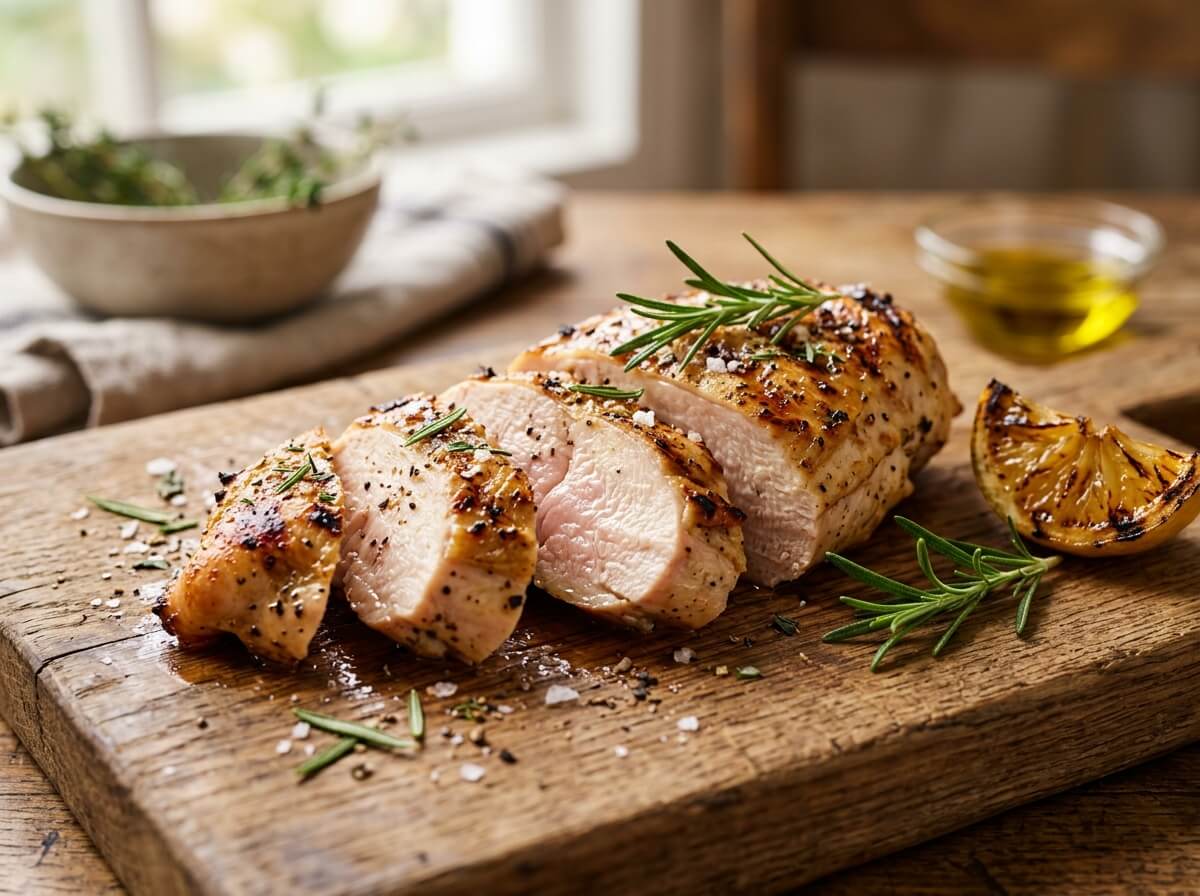
Hähnchenbrust
31.0 g/ 100g
165 kcal
Warum dieses Ergebnis?
Chicken Breast (Roasted/Cooked) provides approximately 40% more protein per 100 g (31.0 g vs 22.1 g in Atlantic Salmon (Cooked/Baked)).
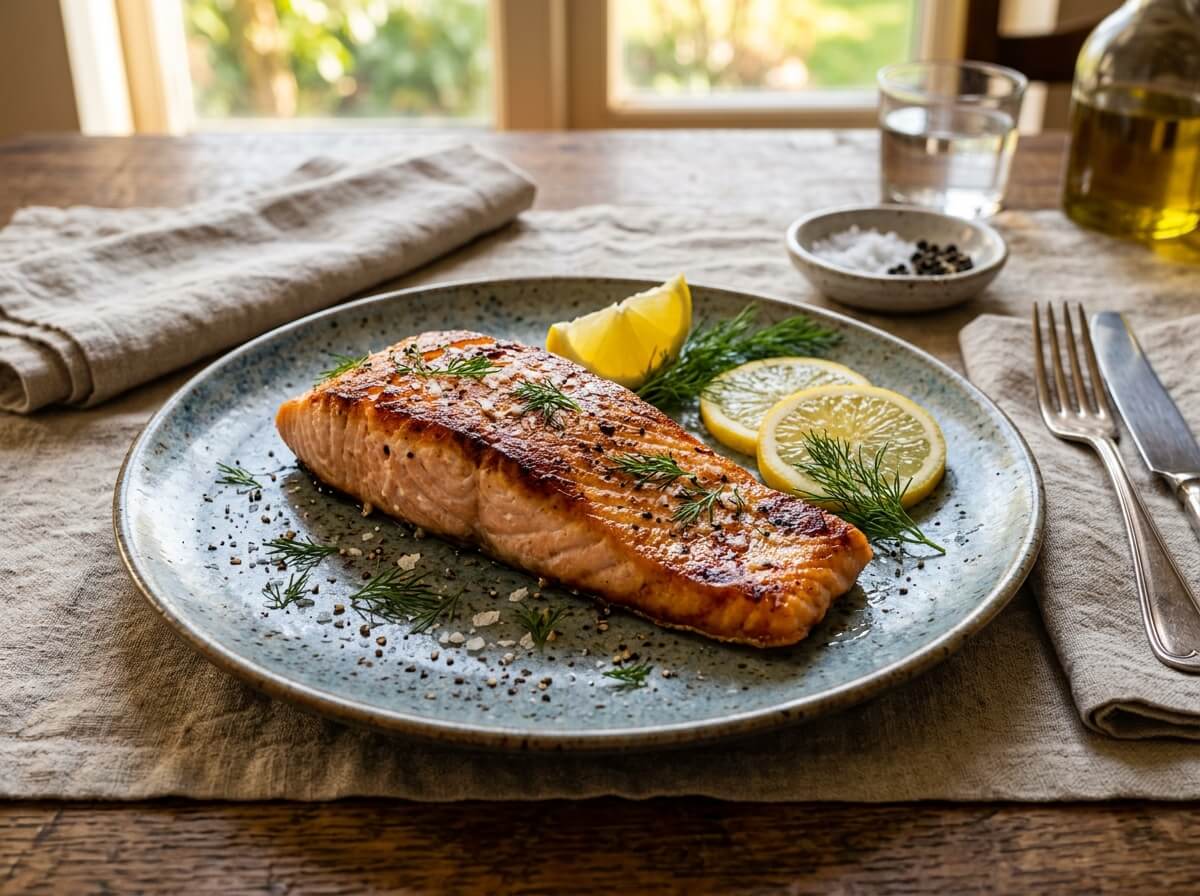
Salmon / Machli
Salmo salar
Erstklassige Quelle für langkettige Omega-3-Fettsäuren (EPA/DHA), hochwertiges Protein, Vitamin D und Selen.
% TB
Entdecken Sie bewertete Lebensmittelalternativen zu Lachs basierend auf Protein, Ballaststoffen oder Vitaminen.
Chicken Breast (Roasted/Cooked) provides approximately 40% more protein per 100 g (31.0 g vs 22.1 g in Atlantic Salmon (Cooked/Baked)).
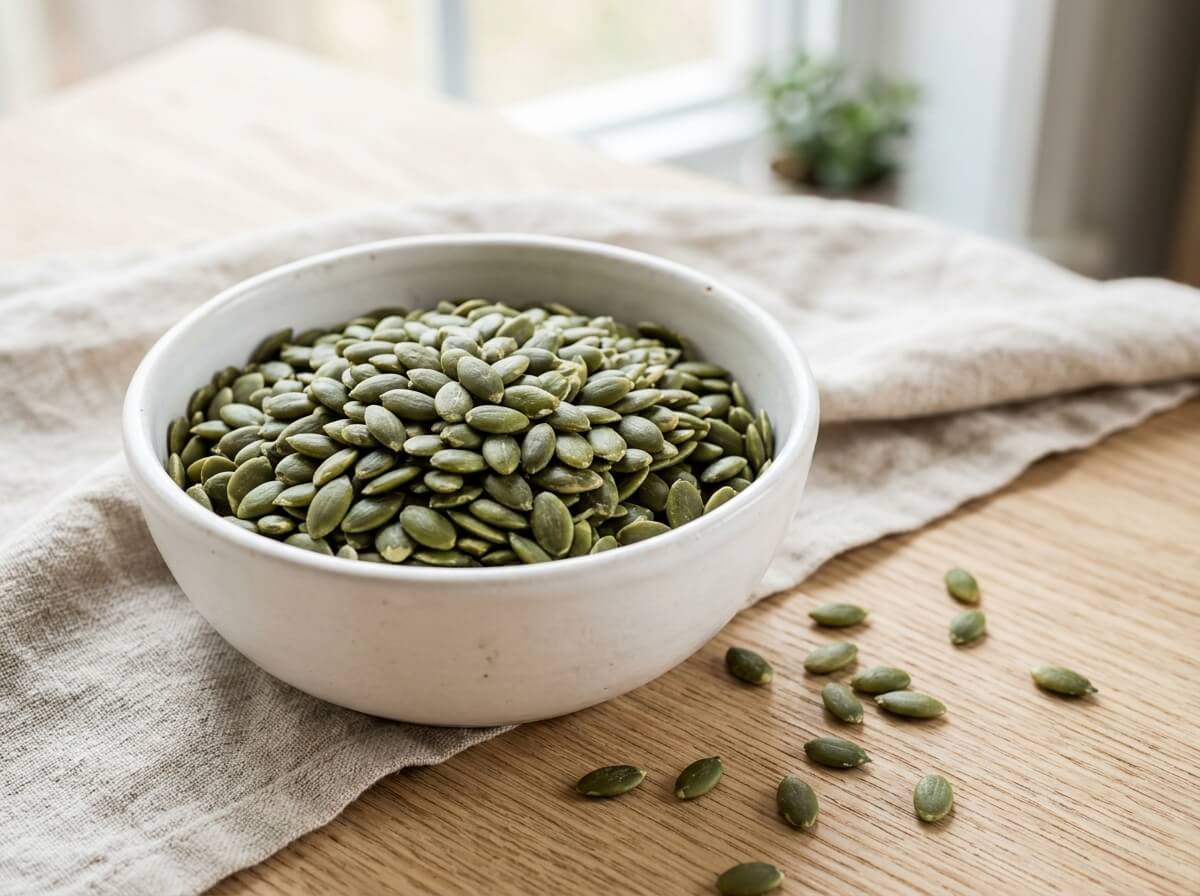
Pumpkin Seeds (Pepitas) provides approximately 37% more protein per 100 g (30.2 g vs 22.1 g in Atlantic Salmon (Cooked/Baked)).
Nährwert-Aufschlüsselung
VS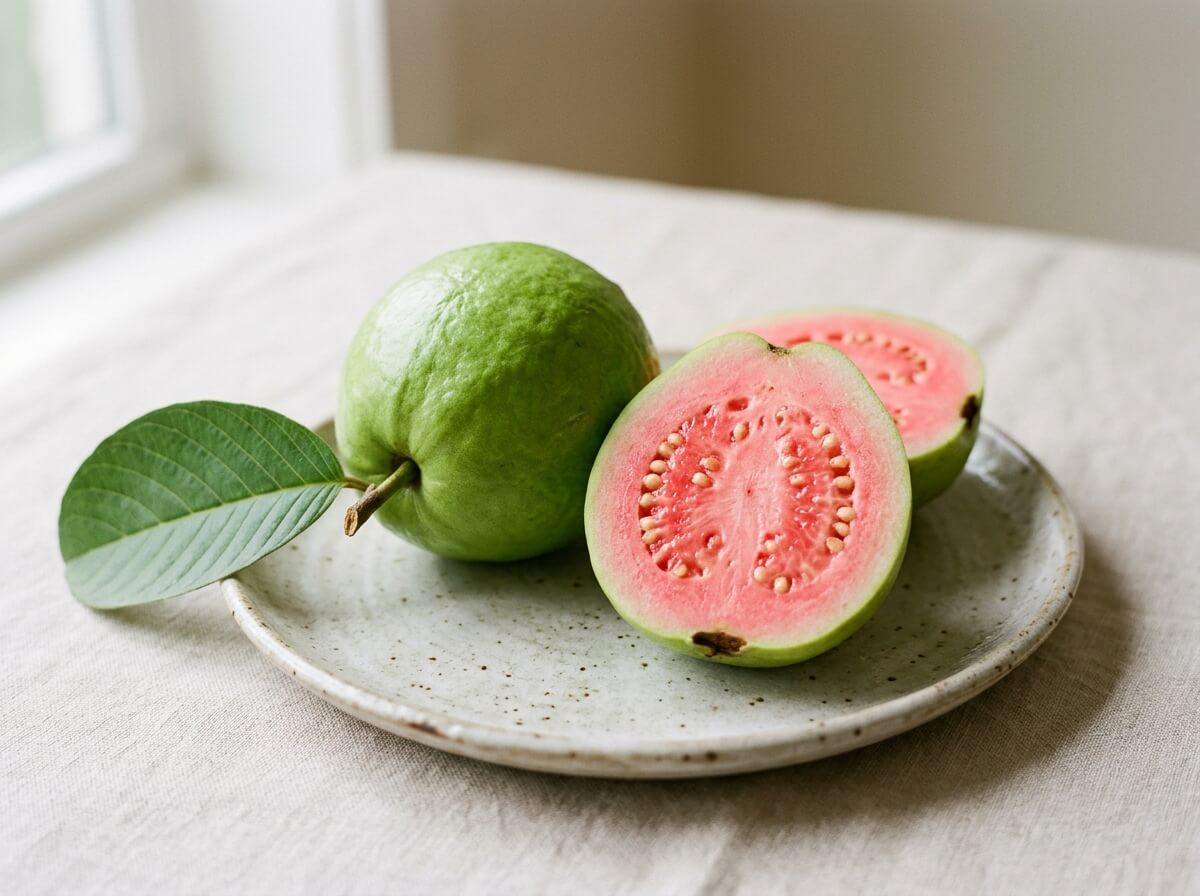 VS
VS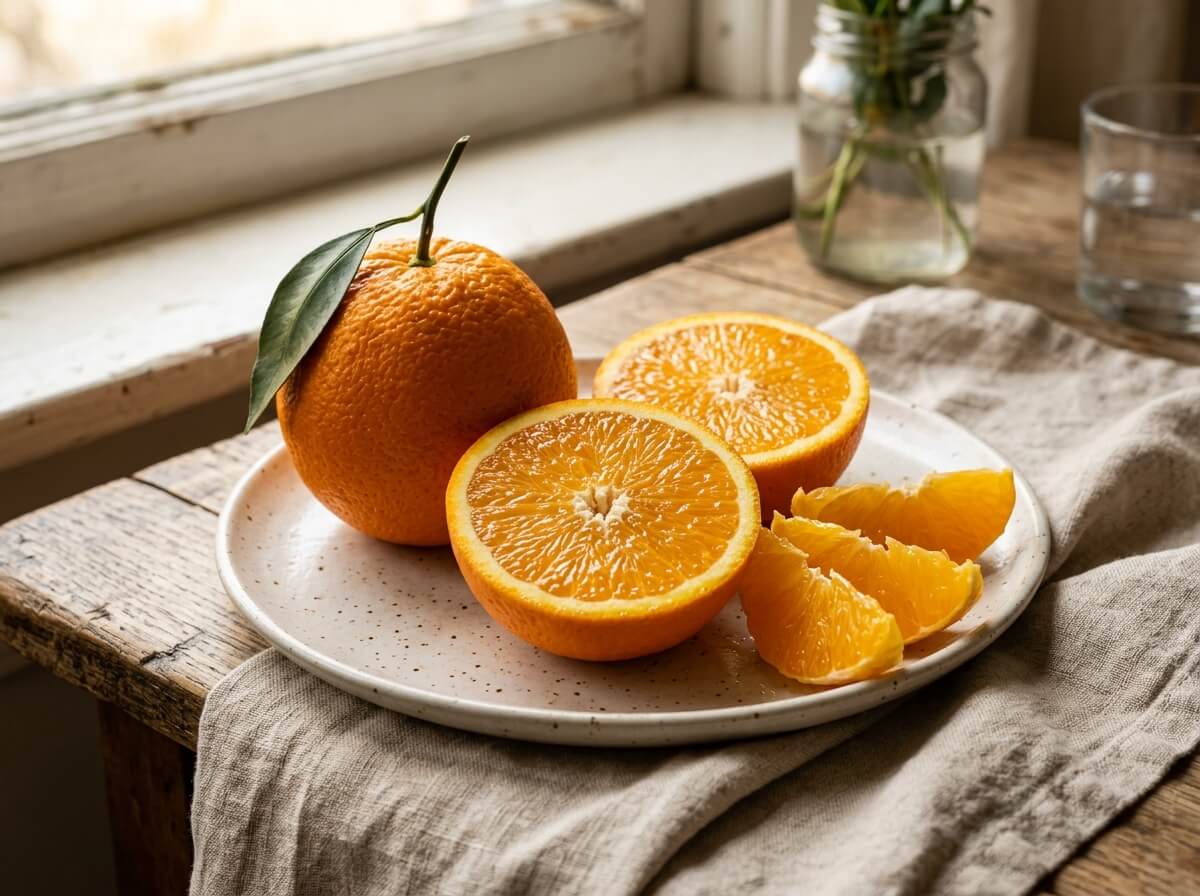 VS
VS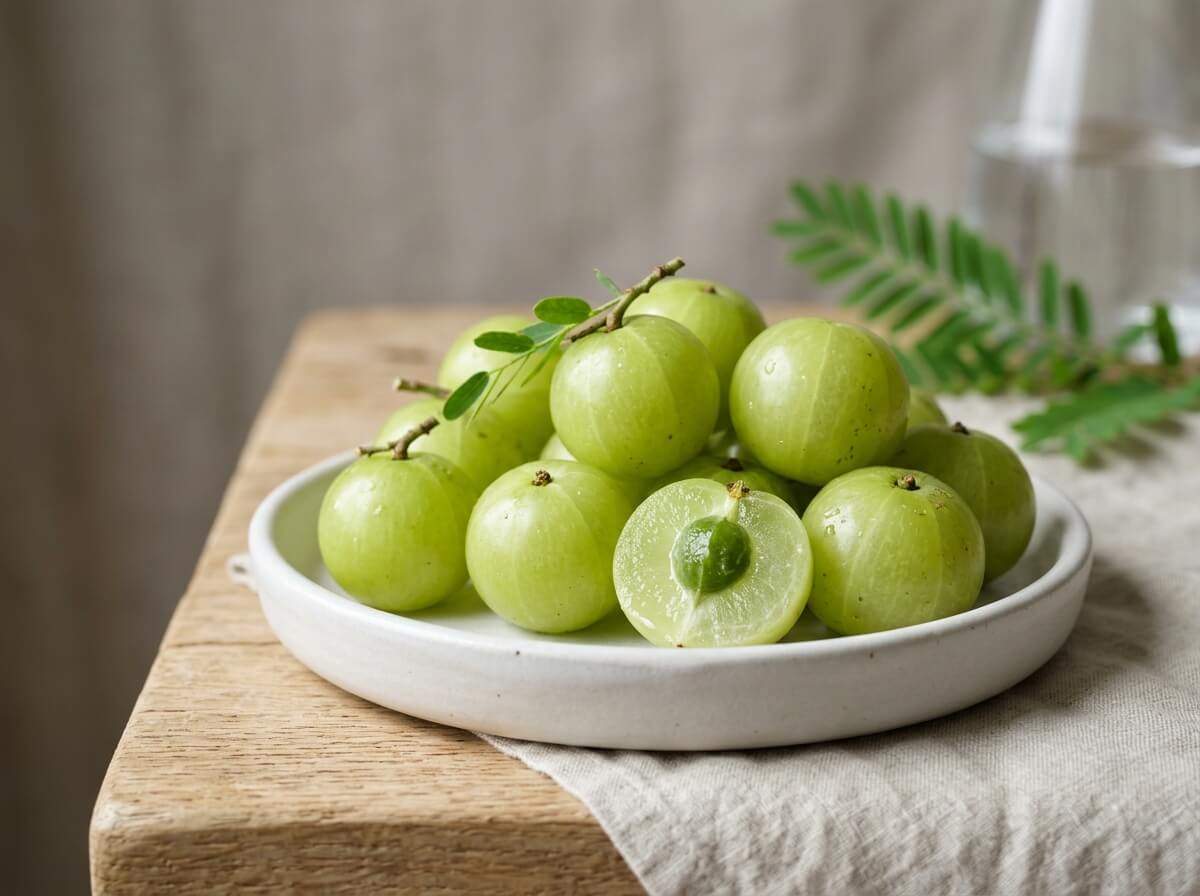 VS
VS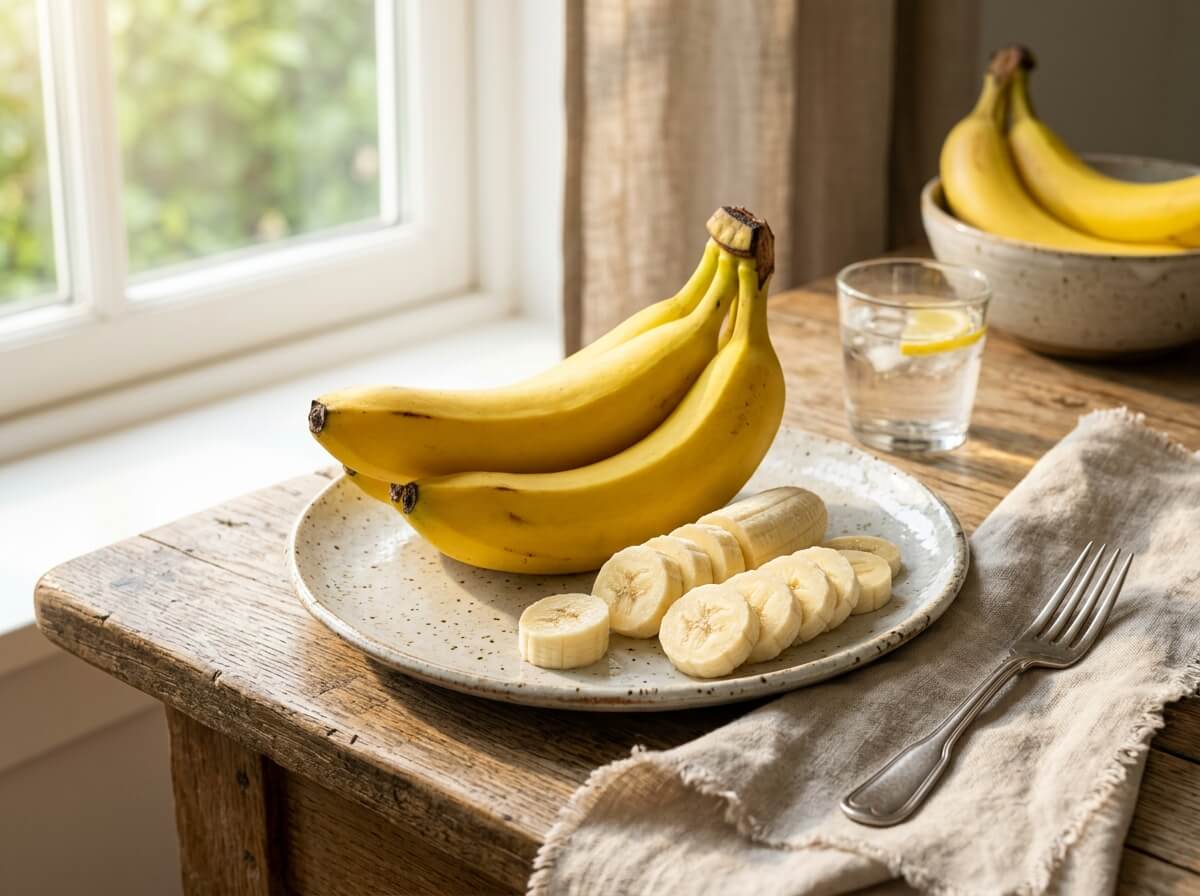 VS
VS VS
VS
Laboranalysierte Werte aus veröffentlichten Zusammensetzungsberichten
Pro 100g essbarer Anteil
| Makronährstoffe | Menge | % TB* |
|---|---|---|
| Kalorien (Energie) | 206kcal | |
| Protein | 22.1g | |
| Kohlenhydrate | 0g | |
| Ballaststoffe | 0g | |
| Gesamtfett | 12.4g | |
| Gesättigte Fettsäuren | 2.5g | |
| Zucker | 0g | |
| Natrium | 60.0mg |
| Vitamine | Menge | % TB* |
|---|---|---|
Vitamin CAscorbic Acid | 0mg | |
Vitamin ARetinol & Carotenoids | 12µg | |
Vitamin DCholecalciferol / Ergocalciferol | 11µg | |
Vitamin EAlpha-tocopherol | 3.6mg | |
Vitamin KPhylloquinone & Menaquinones | 0.1µg | |
FolsäureVitamin B9 | 29µg | |
| 0.23mg | ||
| 0.14mg | ||
| 8.7mg | ||
| 1.7mg | ||
Vitamin B6Pyridoxal 5-phosphate | 0.64mg | |
Vitamin B12Cobalamin | 3.2µg |
Laboranalysierte Werte aus veröffentlichten Zusammensetzungsberichten
Eine 100g-Portion Lachs liefert 206 Kalorien, 0g Gesamtkohlenhydrate und 0g Ballaststoffe (entspricht ca. 0.0g Netto-Kohlenhydraten).
Lachs zeichnet sich durch einen hohen Gehalt an Vitamin B12 (133%), Vitamin D (55%), Vitamin B3 (Niacin) (54%), Vitamin B6 (38%) aus. Ein nährstoffreiches Lebensmittel aus der Gruppe Fisch & Meeresfrüchte.
Beliebte und nährstoffgeprüfte Alternativen zu Lachs sind: Guave, Orange, Indische Stachelbeere, Banane. Nutzen Sie unseren Alternativen-Finder für gezielte Nährstoffvergleiche.
Mit 206 kcal und 0g Ballaststoffen pro 100g lässt sich Lachs hervorragend in eine vollwertige Ernährung integrieren.
Values reflect assayed composite laboratory samples from published public food tables. Naturally occurring nutrients vary by harvest variety and culinary preparation.